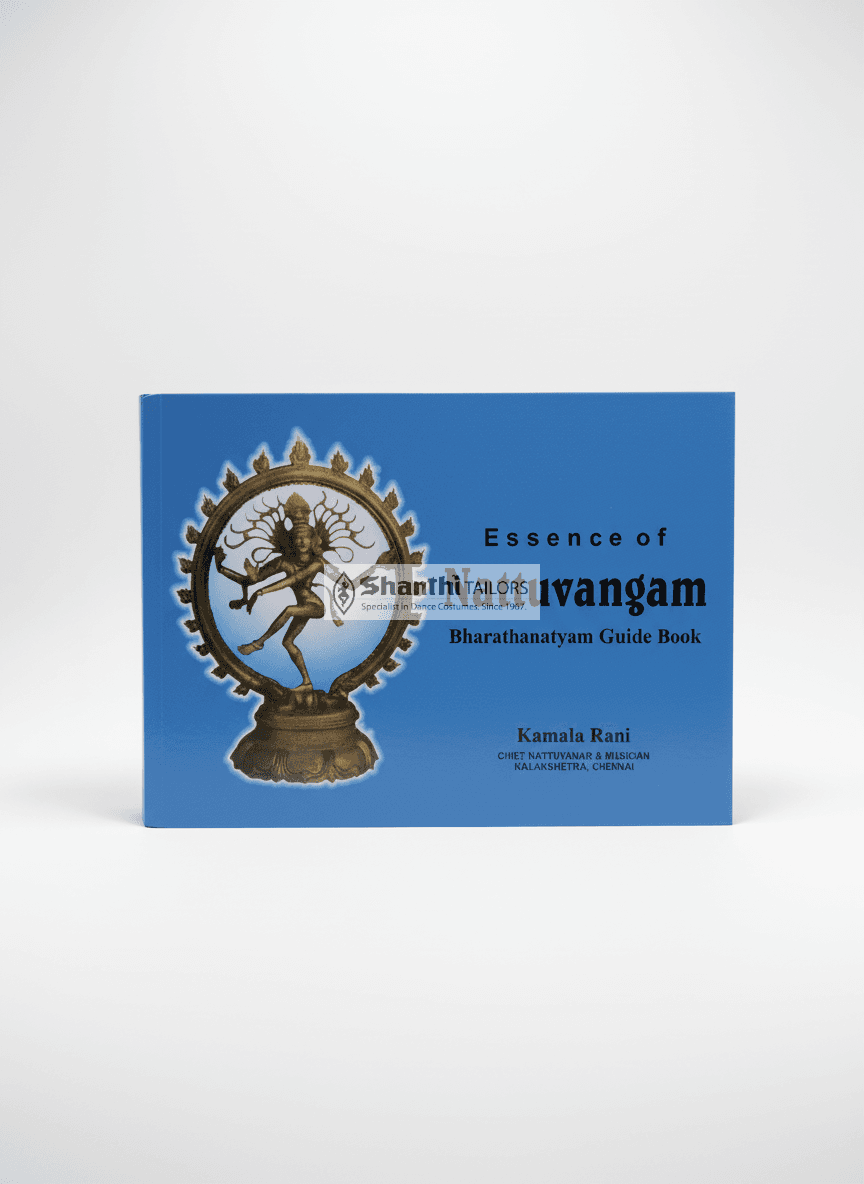
Nattuvangam 15 Roopaka Thalam Book - 1 - DANCE BOOK
Nattuvangam 15 Adhi Thalam Book - 2
Adavu - Bharatnatyam Beginner's Guide - Book
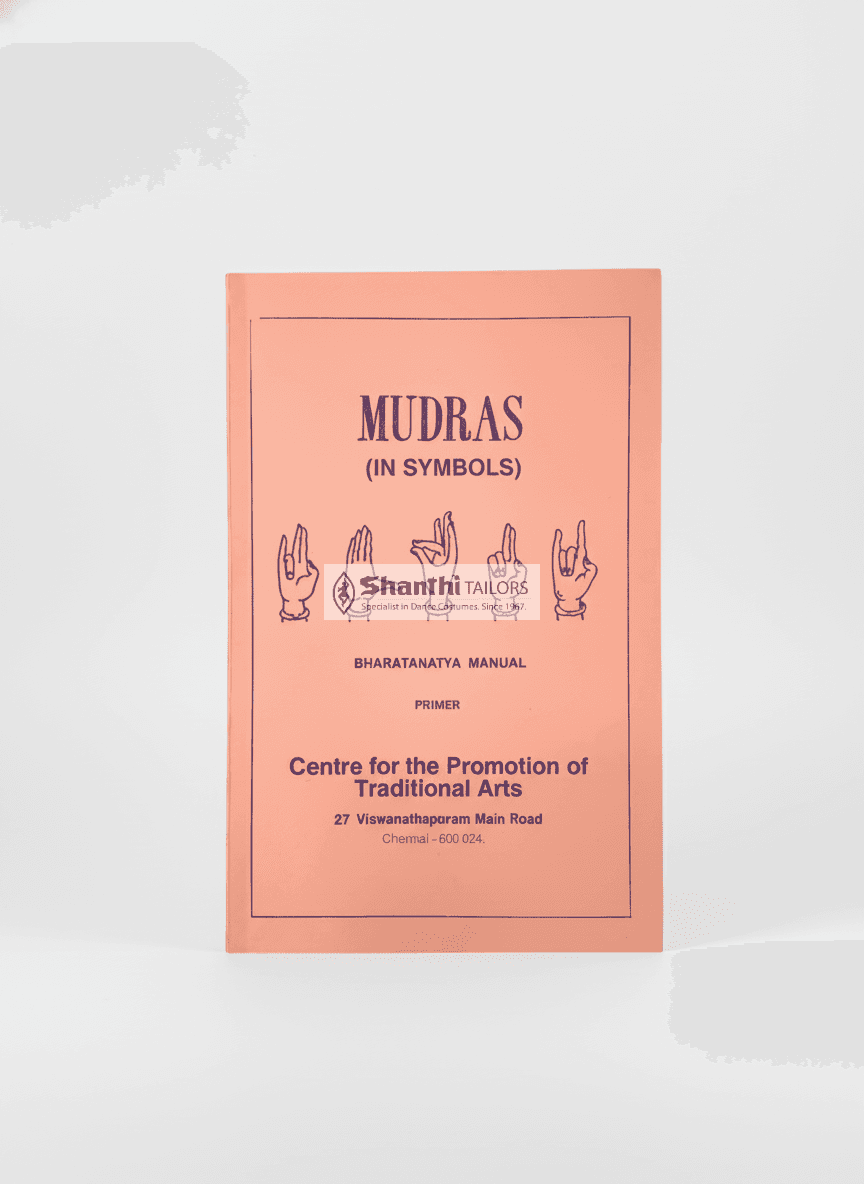
Mudras - (In Symbols) - BOOKS
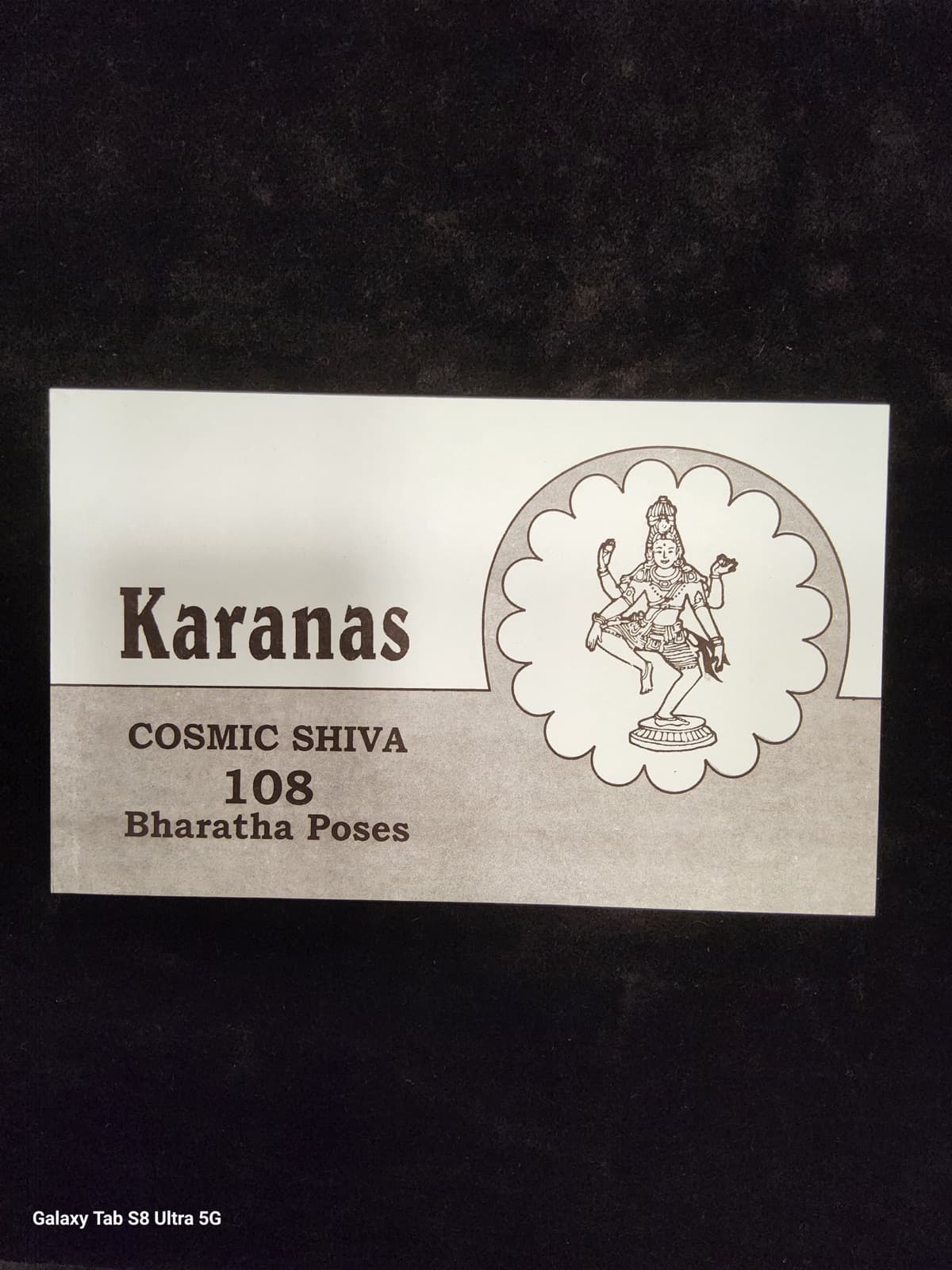
Karanas ( Cosmic Shiva 108 Bharatha Poses )
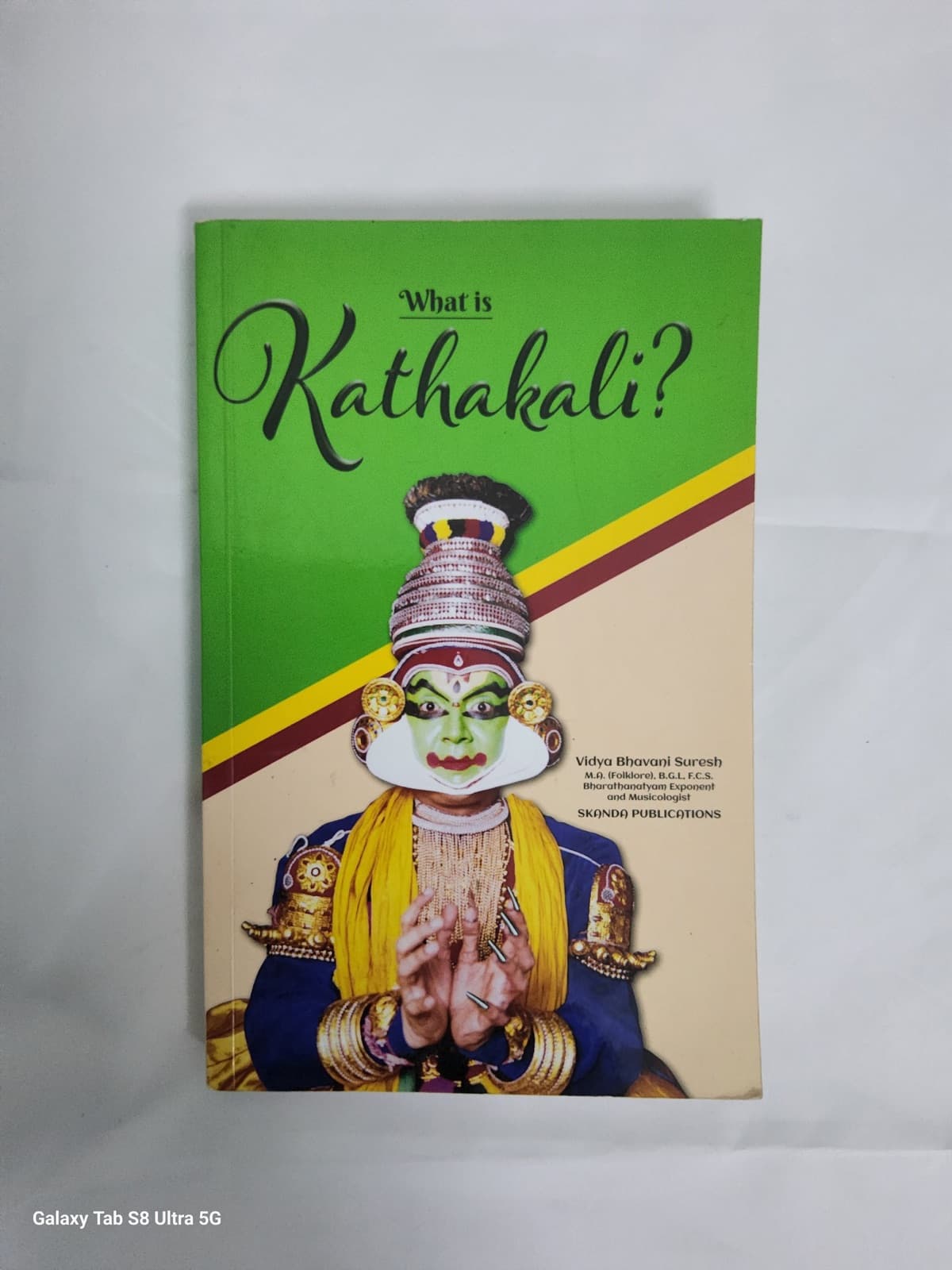
Kathakali Dance Book - What is Kathakali - shanthitailors
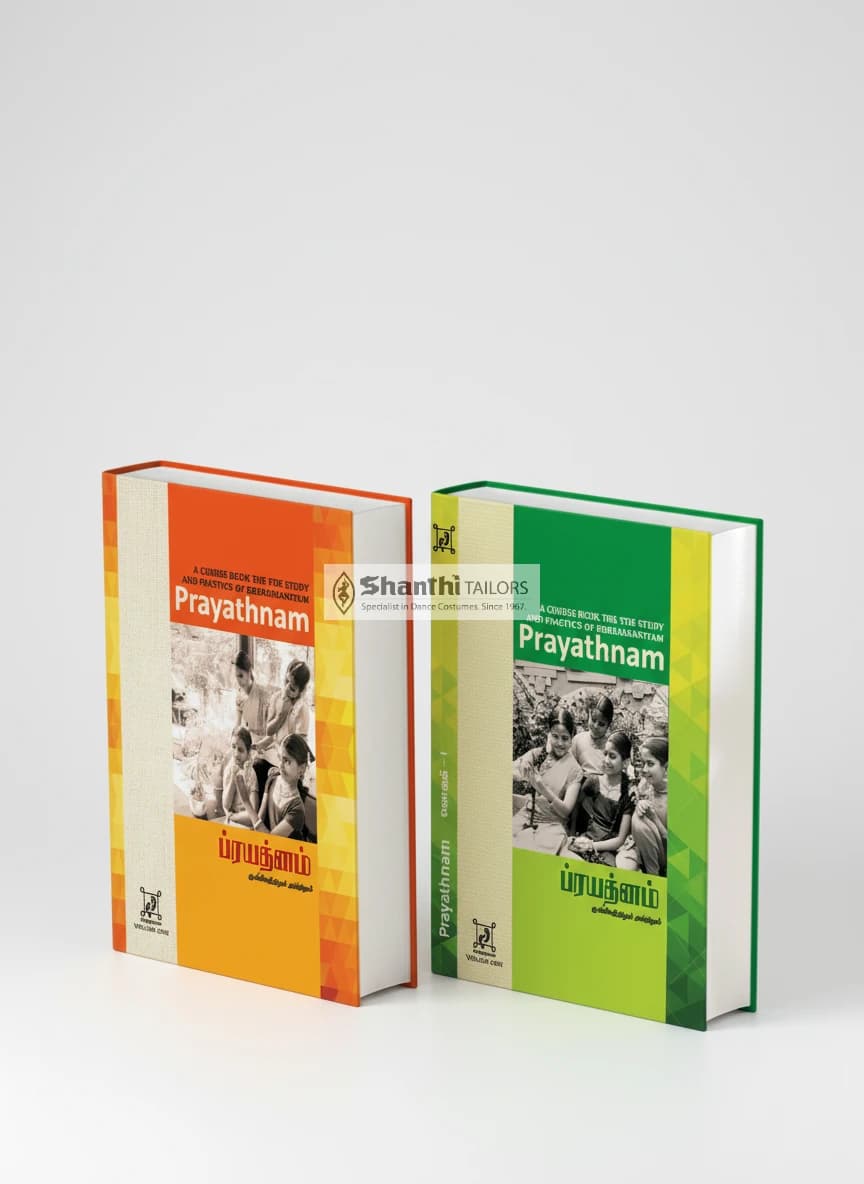
Prayathnam | Practice Book for the study and Practice of Bharatnatyam
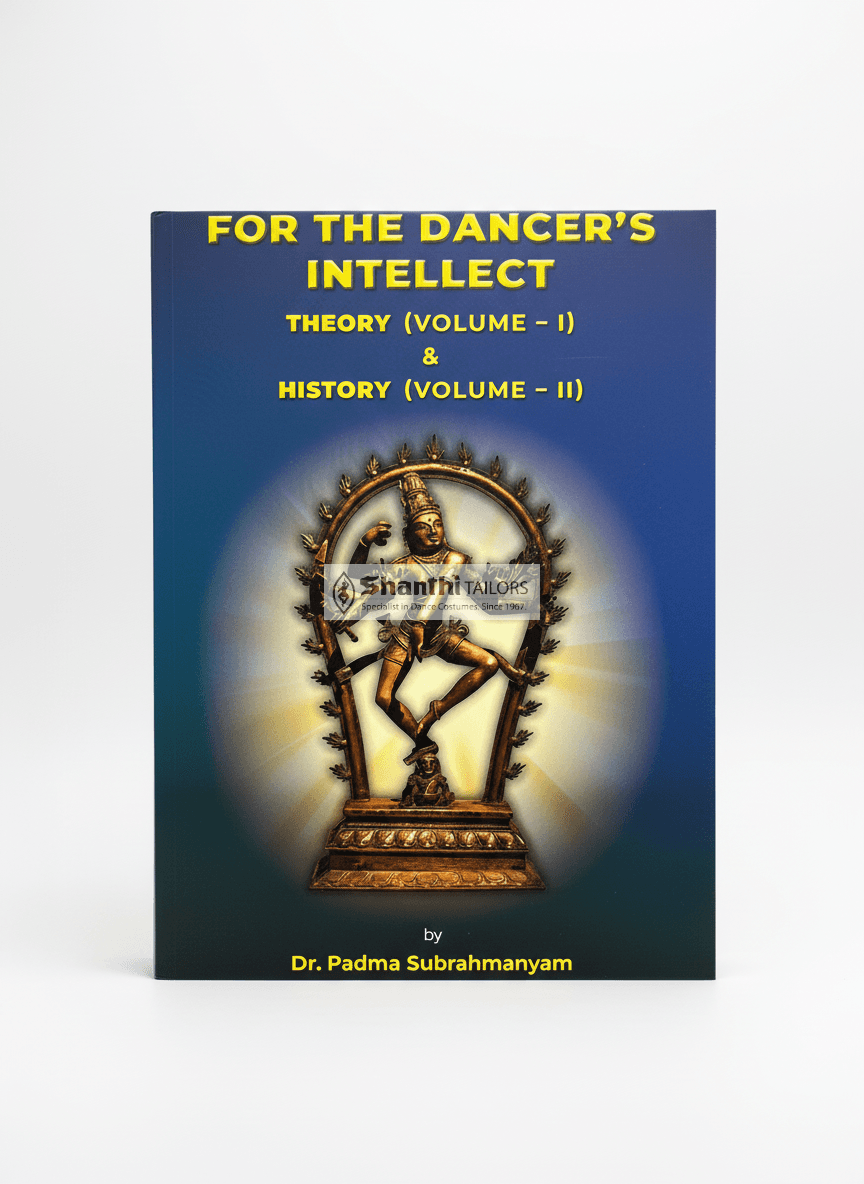
For the Dancers Intellect : Theory and history 2 books
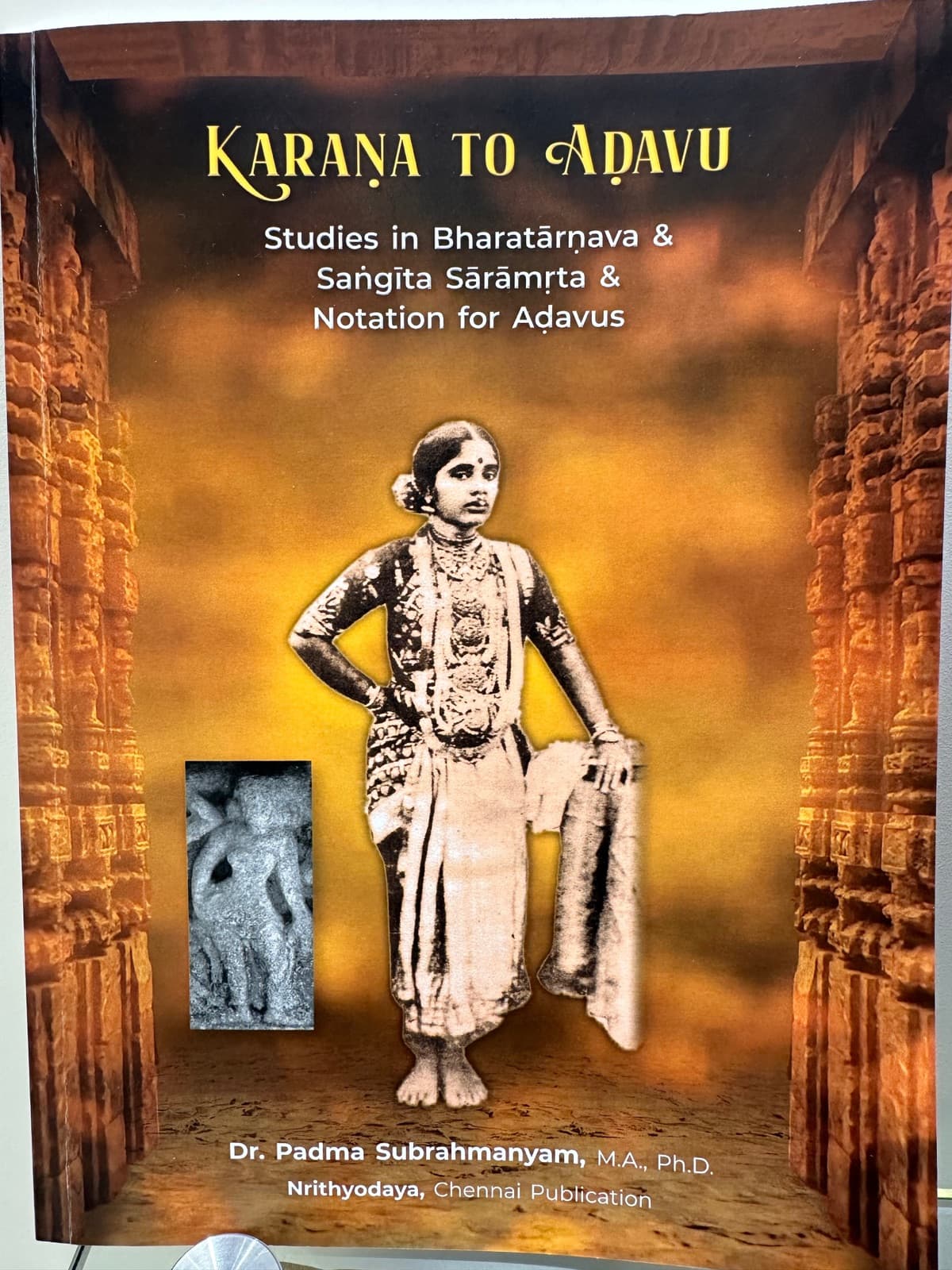
Karnas by Dr Padma Subhramanyam - Book
Karnas to Adavu By Dr. Padama Subhramaniyam
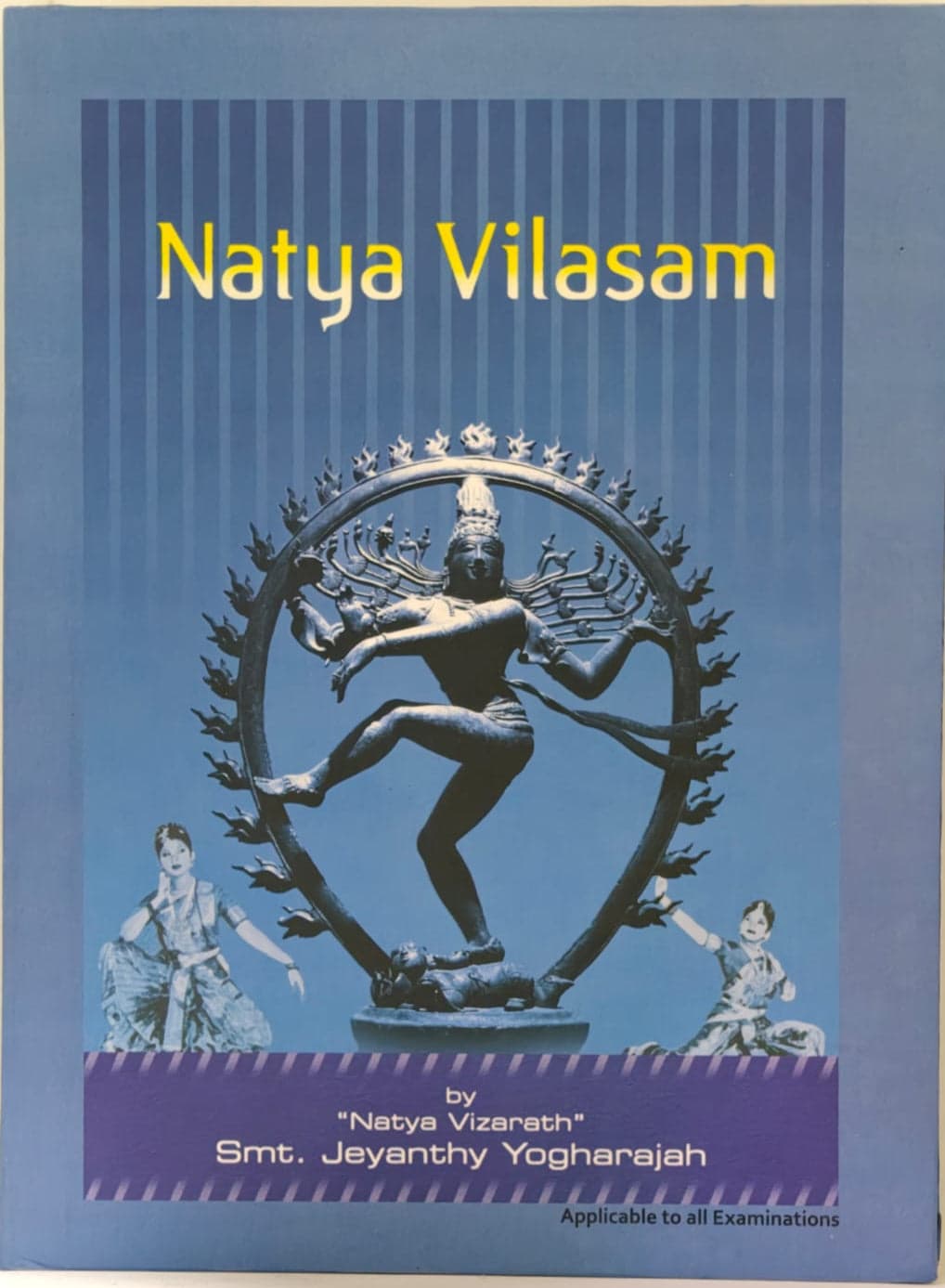
Natya Vilasam | Jeyanthy Jogarajaha | Bharatnatyam Book
Nattuvangam Set - Thalam+ 3 Core Dance Books
Frequently Asked Questions
The traditional dress for Bharatanatyam is called a "Bharatanatyam costume" or simply a "dance costume."
Yes, Bharatanatyam is a traditional Indian classical dance form that originated in the temples of Tamil Nadu.
Bharatanatyam costumes are typically made with silk sarees, specifically Kanchipuram silk sarees, known for their rich texture and vibrant colors.
To measure for a Bharatanatyam costume, one needs to measure the length from the waist to the ankle, hip circumference, chest circumference, and shoulder width for a proper fit.
The four styles of Bharatanatyam are Vazhuvoor, Pandanallur, Thanjavur, and Kalakshetra.
The seven elements of Bharatanatyam are Nritta (pure dance), Nritya (expressive dance), Natya (dramatic element), Vachika (speech), Aharya (costume and ornaments), Satvika (emotional connect), and Angika (body movements).
There is no definitive "best" style of Bharatanatyam; it depends on personal preference and the dancer's training. Each style has its unique characteristics and beauty.
The three 'N's of Bharatanatyam are Natya (dramatic expression), Nritya (rhythmic movement), and Nritta (pure dance movements).
The nine emotions portrayed in Bharatanatyam are love, laughter, fury, compassion, disgust, wonder, courage, fear, and peace.
In Bharatanatyam, the five fingers are called Tarjani (index finger), Madhyama (middle finger), Anamika (ring finger), Kanishthika (little finger), and Angushtha (thumb).
Bharatanatyam comprises a vast array of poses, but there isn't a fixed number. Dancers learn numerous unique postures, each with specific meanings and expressions.