
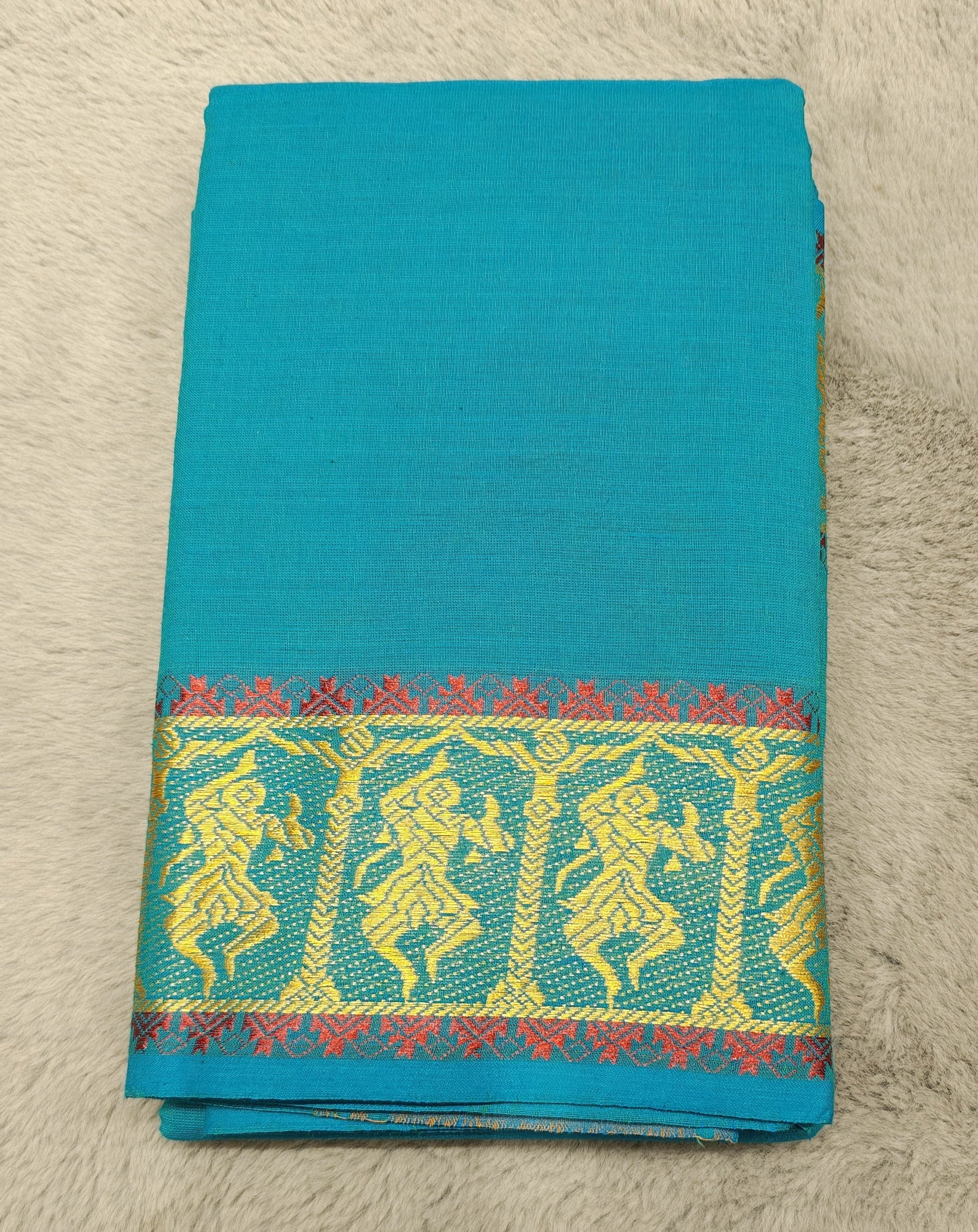
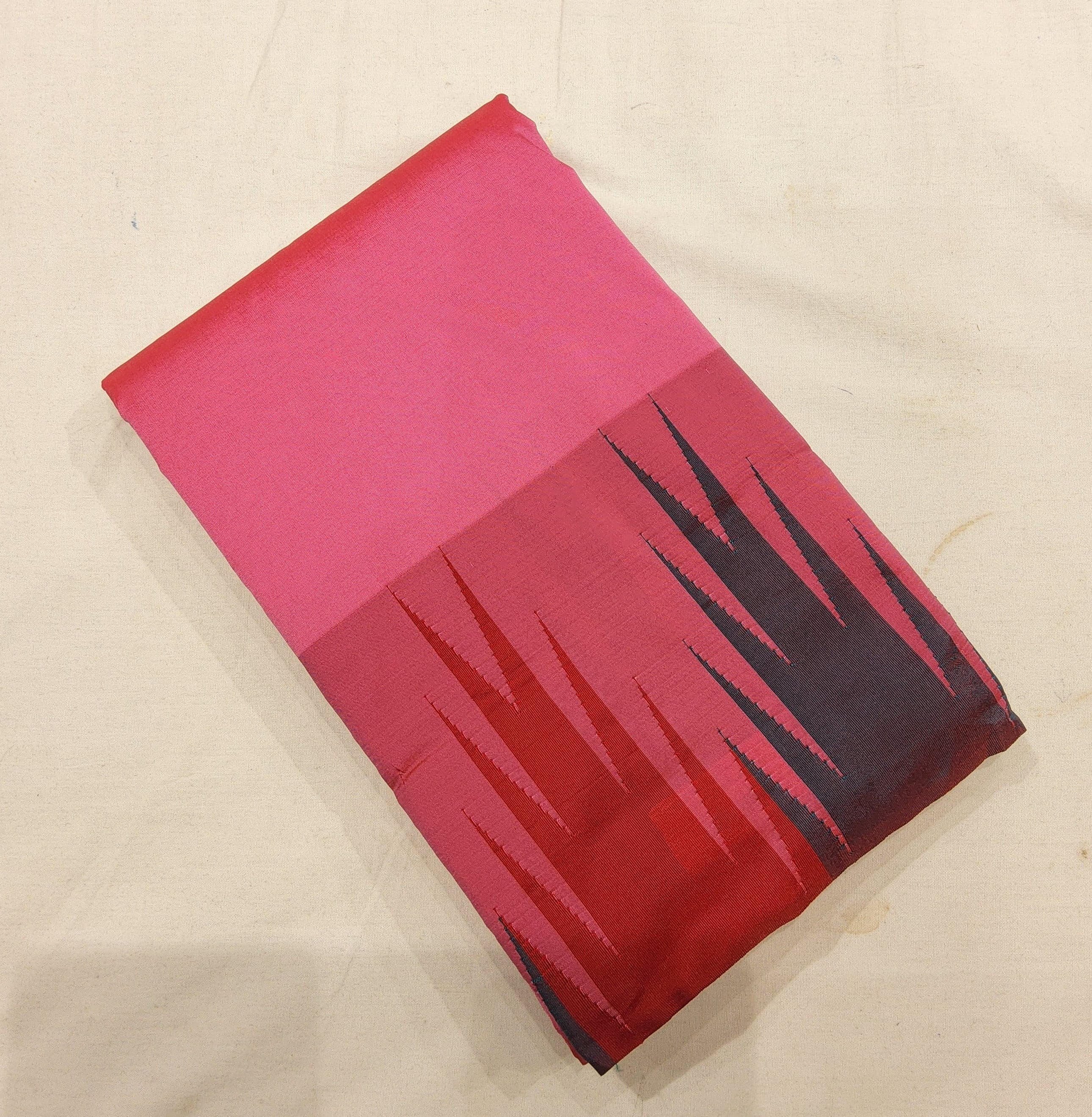
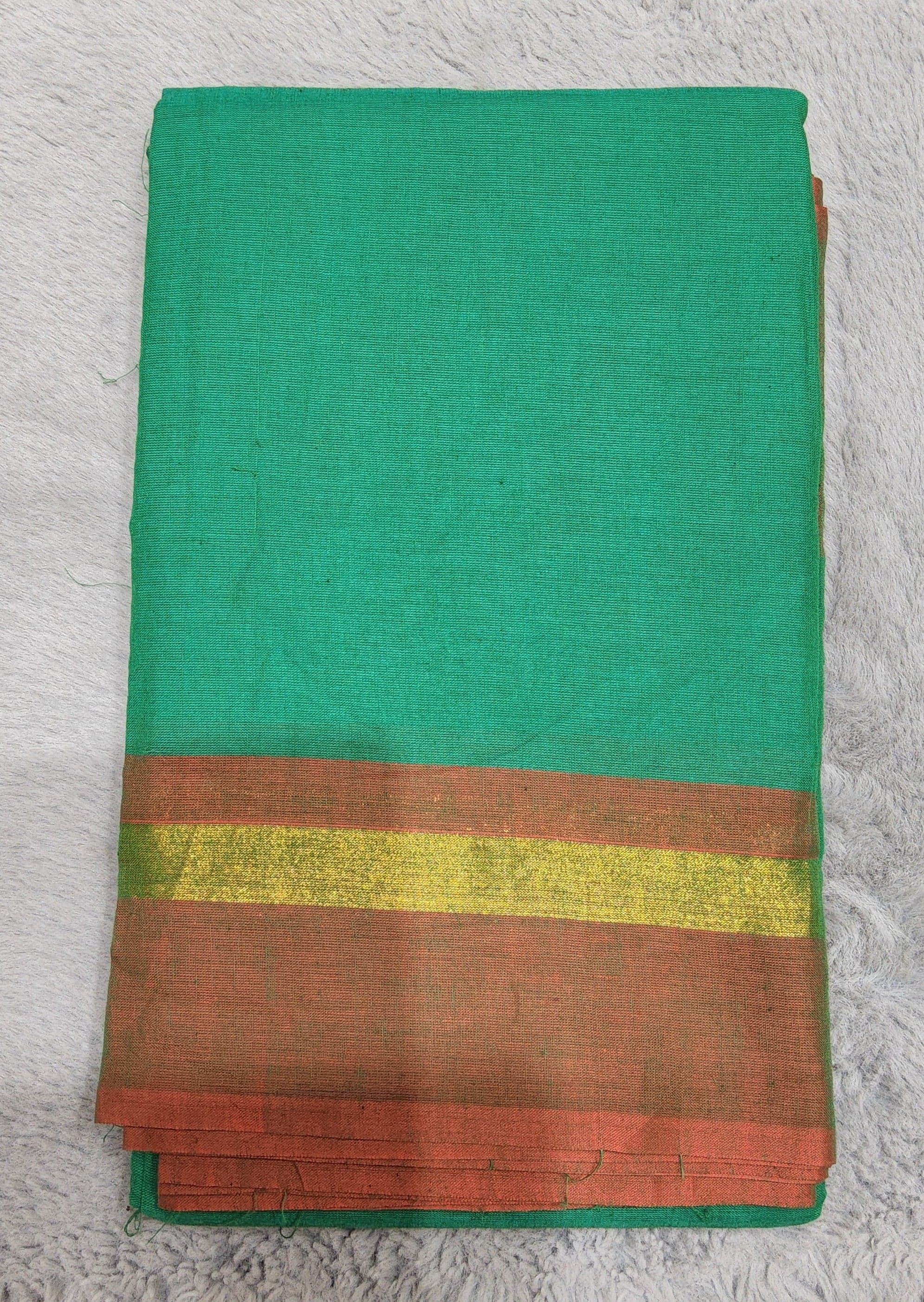
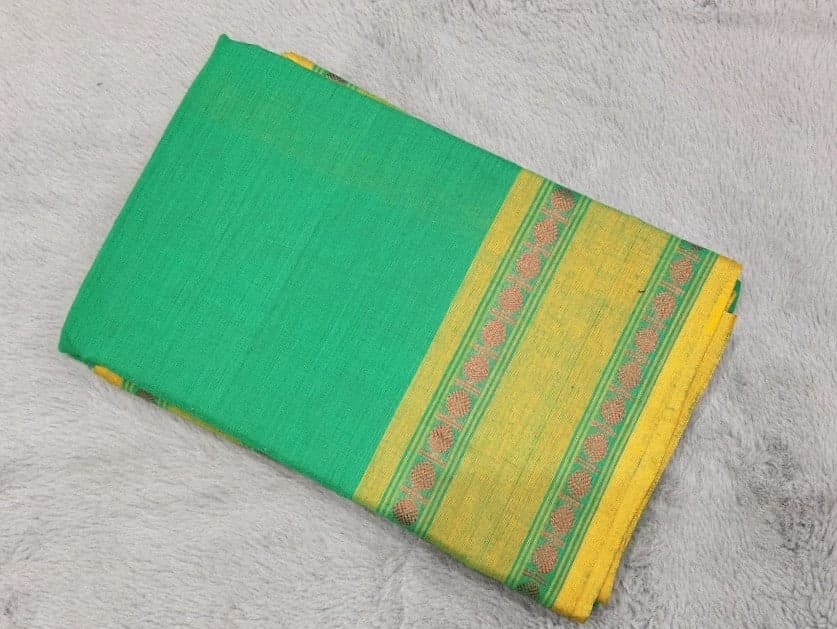
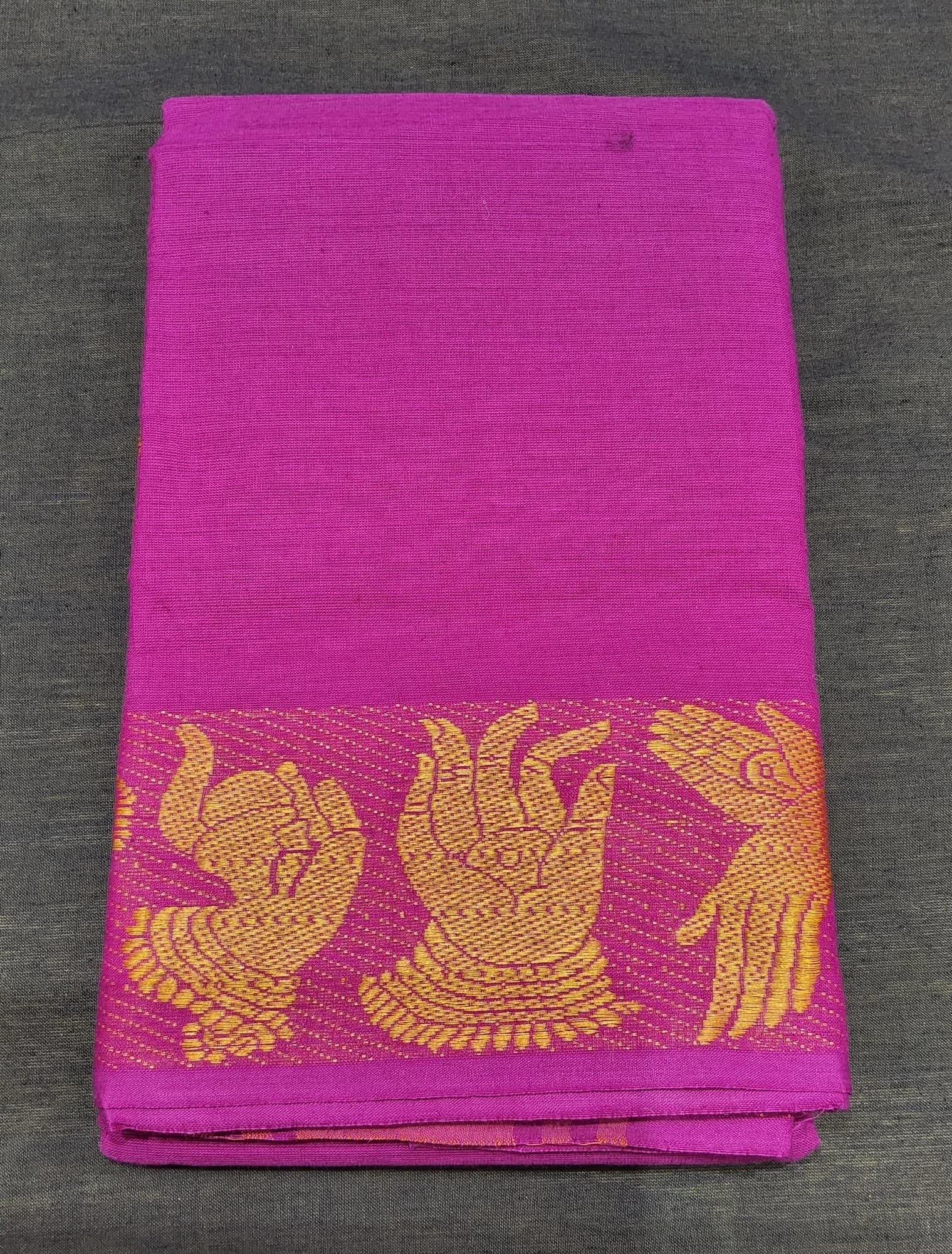
Dance Practice Saree | Mango Border | New Collection
₹745
(Inclusive of all taxes · billed in ₹ INR)
ColorRed with Green
Make it complete
⏱ Instant live video calls run during office hours — 9:30 am – 8:00 pm IST. Outside these hours, request a video consultation and we’ll schedule one.
Questions about sizing or availability? Call +91 95003 82468 — we've been taking orders personally since 1967.
Why Dancers Love This
- ✦Completes Your Classical Dance Look
- ✦Performance-Tested by Dancers Worldwide
- ✦Authentic Traditional Designs
Dance cotton practice sarees. Bharatnatyam dance Practice sarees
Product Details
| Type | Traditional Dance Saree |
| Material | Pure Silk |
| Length | 6.2 Mtrs |
| Pleating | Dance-Ready for making quality Fan Pleats |
| Occasion | Wedding, Arangetram, Grand Functions |
Frequently Asked Questions
Q: What is the advantage of using a 'Dance Practice Saree' for Bharatanatyam practice, especially considering the Mango Border design?
A: The 'Dance Practice Saree' with the Mango Border provides the necessary weight and drape for a Bharatanatyam dancer to accurately simulate the feel of a full performance saree during practice. This allows for better muscle memory development during adavus and complex movements like Aramandi. The mango border is a classic and auspicious design element often used in Arangetram sarees, offering an aesthetic connection to performance attire.
Q: How does the 'Dance Practice Saree' differ from a regular saree in terms of material and construction for Indian classical dance?
A: Unlike regular sarees, the 'Dance Practice Saree' is typically crafted from lighter, more breathable fabrics like cotton or a cotton blend to allow for ease of movement and prevent overheating during rigorous practice. The length and width are also optimized for dance, ensuring sufficient fabric for tucking and draping without excessive bulk that can hinder movements like the Natta Adavu or Tatta Adavu.
Q: Is this 'Dance Practice Saree' suitable for different styles of Indian Classical Dance besides Bharatanatyam, such as Kuchipudi or Mohiniyattam?
A: While primarily designed for Bharatanatyam practice, the 'Dance Practice Saree' can be adapted for other South Indian classical dance forms like Kuchipudi. However, dancers should consider the specific draping styles and movement requirements of each form. For Mohiniyattam, which uses a different style of saree draping (typically a Kasavu saree), this practice saree might not be as directly applicable but can still be used to practice basic steps and body conditioning.
Q: How should I care for my 'Dance Practice Saree' to ensure its longevity, especially given the wear and tear of regular dance practice?
A: To prolong the life of your 'Dance Practice Saree', gentle hand washing with a mild detergent is recommended. Avoid harsh chemicals or bleach. Air dry in the shade to prevent color fading, particularly for the mango border. Ironing on a low setting is suitable. Proper storage in a cool, dry place will prevent mildew and maintain the fabric's integrity, essential for withstanding the demands of regular practice sessions and maintaining its usability for years.
Our Story
Crafted For Generations
Since 1967, Shanthi Tailors has been trusted by dancers across 120+ countries for authentic temple jewellery, custom-stitched costumes and Indian classical dance essentials.
Trusted by
Generations
Authentic
Temple Designs
120+ Countries
Delivered
Custom
Assistance
Customer Reviews
★★★★★ 5.0· 3 reviews
The stitched blouse and pants were well-tailored.
Haritha Haritha · 26 Mar 2026
-
Malini Sundaramoorthy · 16 Mar 2026
Great quality and speedy delivery
The items I have ordered are as beautiful as advertised and the oversees shipment was without any trouble.
Sophie Broennimann · 19 Jun 2025
You May Also Love
✦Handpicked pieces that pair beautifully with this one ♥


Authentic
Temple Jewellery & Costumes
Secure Packaging
International Standards
Worldwide Shipping
120+ Countries
Safe & Secure
Direct Ordering