
DANCE BOOK
Nattuvangam 15 Roopaka Thalam Book - 1 - DANCE BOOK
₹80
(Inclusive of all taxes · billed in ₹ INR)
⏱ Instant live video calls run during office hours — 9:30 am – 8:00 pm IST. Outside these hours, request a video consultation and we’ll schedule one.
Questions about sizing or availability? Call +91 95003 82468 — we've been taking orders personally since 1967.
Why Dancers Love This
- ✦Authentic Classical Dance Learning Material
- ✦Curated by Practitioners of the Art Form
- ✦Perfect for Students & Teachers Alike
Nattuvangam 15 Roopaka Thalam Book - 1
Item Details
| Format | Physical Copy / Digital |
| Language | English / Tamil |
| Genre | Educational / Classical Arts |
Frequently Asked Questions
Q: What specific talams are covered in the 'Nattuvangam 15 Roopaka Thalam Book - 1' and are they suitable for a Bharatanatyam Arangetram?
A: This book focuses exclusively on 15 variations within Roopaka Talam, a fundamental rhythmic cycle in Carnatic music and Bharatanatyam. While Roopaka Talam is frequently used, ensure the specific variations presented align with the choreography planned for your Arangetram. Consult your dance guru for confirmation.
Q: Is this book suitable for beginners learning Nattuvangam, or does it require prior experience with rhythm and tala systems?
A: While the book provides notations for 15 Roopaka Talam variations, a foundational understanding of Carnatic rhythm, tala principles, and basic Nattuvangam techniques is highly recommended. Beginners may find it beneficial to first learn the basics of tala calculation and rhythmic syllables before using this book.
Q: Does this 'Nattuvangam 15 Roopaka Thalam Book - 1' include the sollu-kattus (rhythmic syllables) in both written notation and spoken form to aid in practice?
A: Yes, the book provides the sollu-kattus for each Roopaka Talam variation in clear written notation. It is designed to facilitate practice and accurate recitation of the rhythmic patterns, essential for Nattuvangam and maintaining precise timing during dance performances, including those performed in Aramandi.
Q: Can this book be used for other Indian classical dance forms besides Bharatanatyam, such as Kuchipudi or Mohiniyattam, considering the variations of Roopaka Talam?
A: While Roopaka Talam is a common element in many South Indian classical dance forms, the specific variations and their application may differ. This book is primarily designed for Bharatanatyam. Consult with gurus of Kuchipudi or Mohiniyattam to determine the suitability and adaptability of these variations for their respective styles.
Our Story
Crafted For Generations
Since 1967, Shanthi Tailors has been trusted by dancers across 120+ countries for authentic temple jewellery, custom-stitched costumes and Indian classical dance essentials.
Trusted by
Generations
Authentic
Temple Designs
120+ Countries
Delivered
Custom
Assistance
Customer Reviews
No reviews yet — be the first to share yours.
You May Also Love
✦Handpicked pieces that pair beautifully with this one ♥


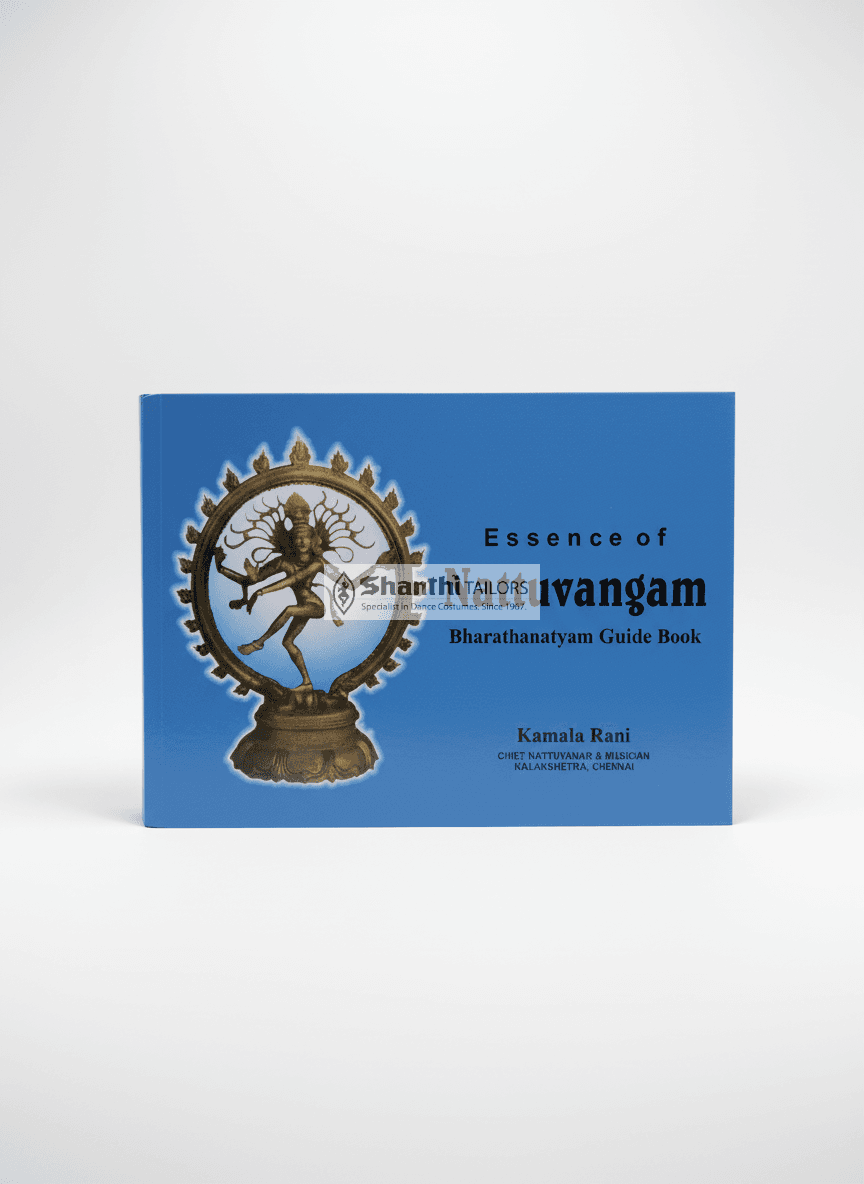


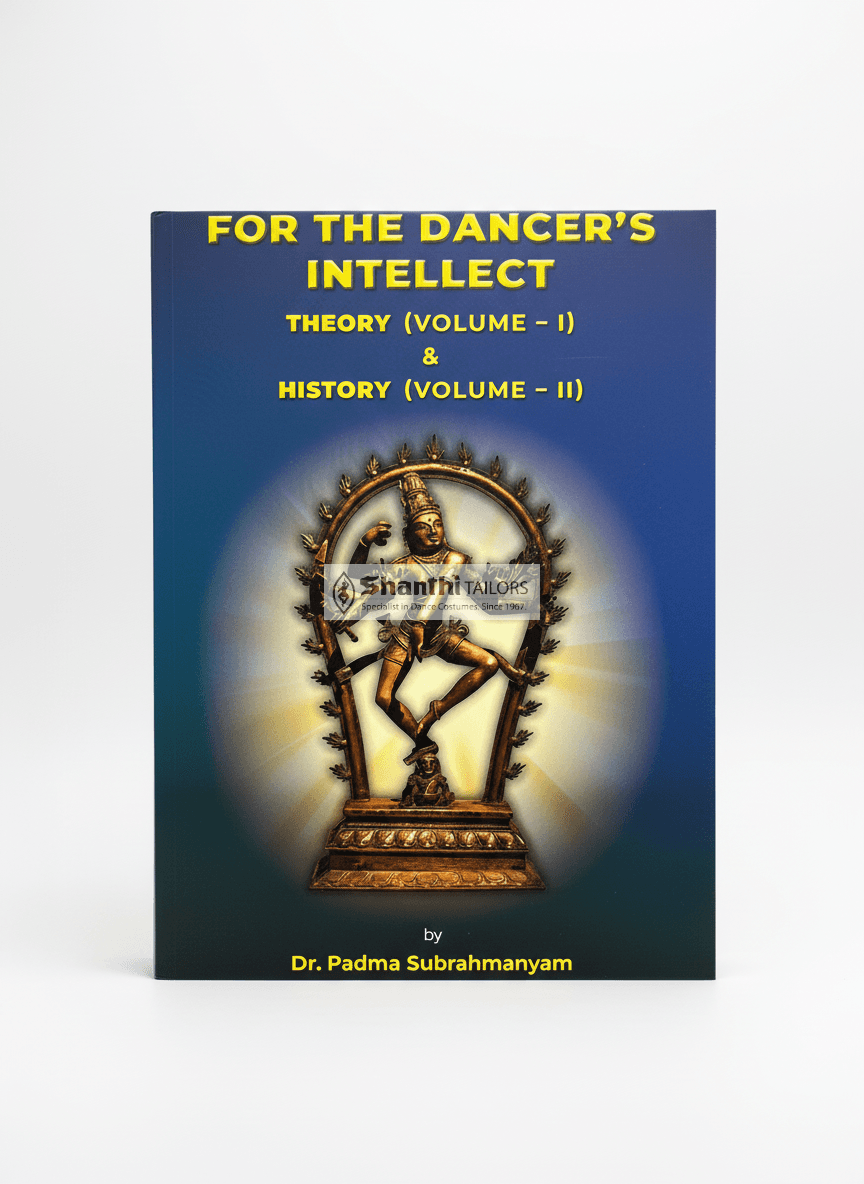


Authentic
Temple Jewellery & Costumes
Secure Packaging
International Standards
Worldwide Shipping
120+ Countries
Safe & Secure
Direct Ordering