SINCE 1967
◆
EVERYTHING UNDER ONE ROOF
Worldwide Shipping
+91 95003 82468
Home
Costumes
✦ Custom Costume Builder
✦ Plan My Arangetram
Bharatanatyam Dress
Kuchipudi
Mohiniattam
Odissi
Readymade
Kids Fancy Dress
Jewellery
Temple Jewellery
Margam Jewellery
Imitation Jewellery
Bridal Jewellery
Fancy Jewellery
Krishnar Jewellery Sets
Pure Silver Jewellery
Antique Copper Jewellery
Odissi Jewellery
Accessories
Alta
Ammam Pavadai For Navaratri
Dance Essentials
Hair Accessories
combo's
Flowers
Books
Gifts
Bags & Storage
Makeup
Music
Salangai & Bells
Nattuvangam & Instruments
Silk Sarees
Kanchipuram Silk
Artificial Kanchipuram Silk
Dharmavaram Silk
Artificial Non-Silk
Practice Sarees
Practice Pyjama
Readymade Blouse
Readymade Practice Saree
₹
INR
0
Home
/
Collections
/
Nattuvangam & Conductor Instruments | Bronze & Iron Cymbals
Classical Dance Collection
Nattuvangam & Conductor Instruments
| Bronze & Iron Cymbals
Since 1967
Shop Collections
✦
✦
Shop Nattuvangam & Conductor Instruments | Bronze & Iron Cymbals
✦
Filters
Showing
8
products
Sort by:
Featured
Price: Low to High
Price: High to Low
Name: A – Z
Hot Seller
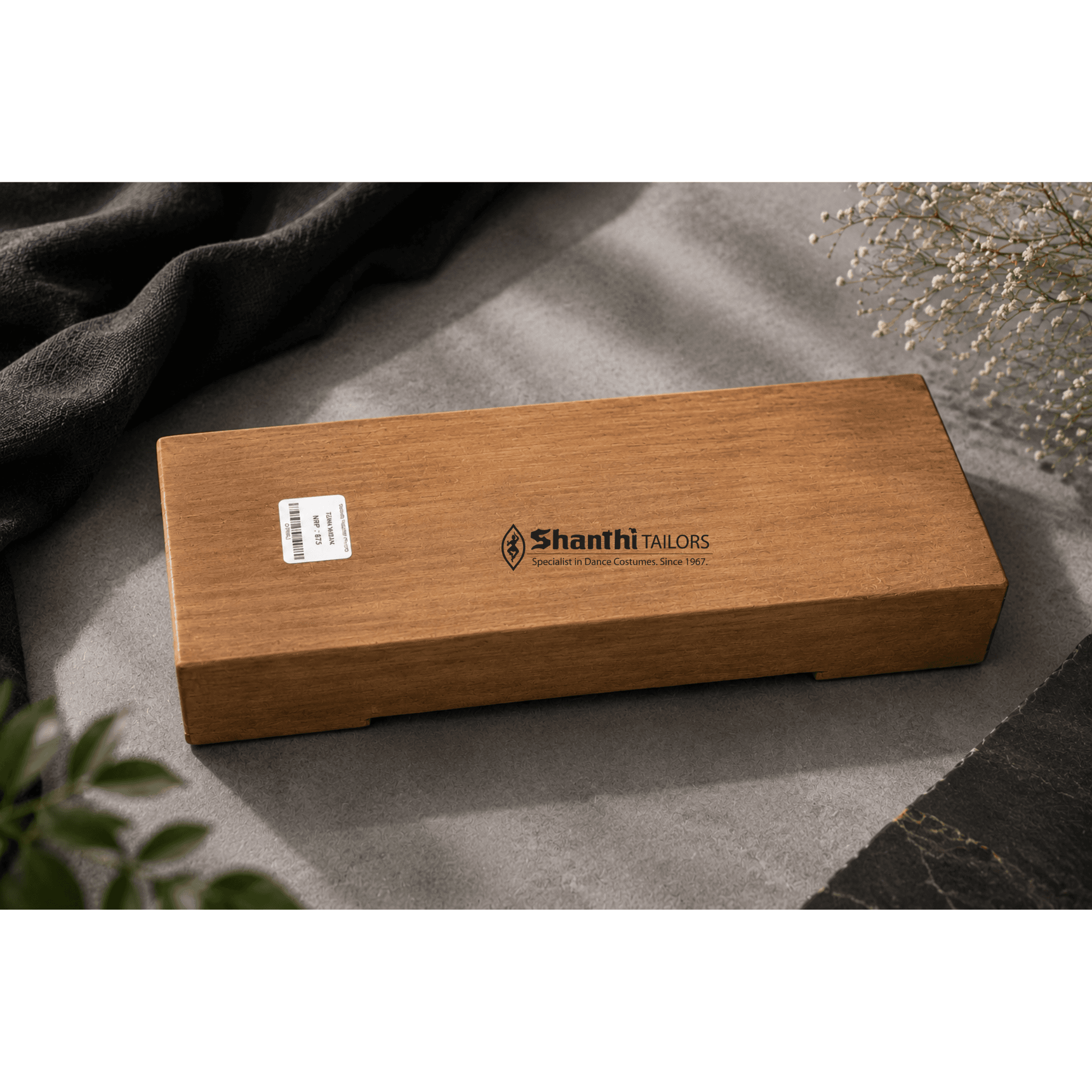
Nattuvangam Manai with Rhythm Stick | Kali Mathi Wood
₹1,159
Hot Seller
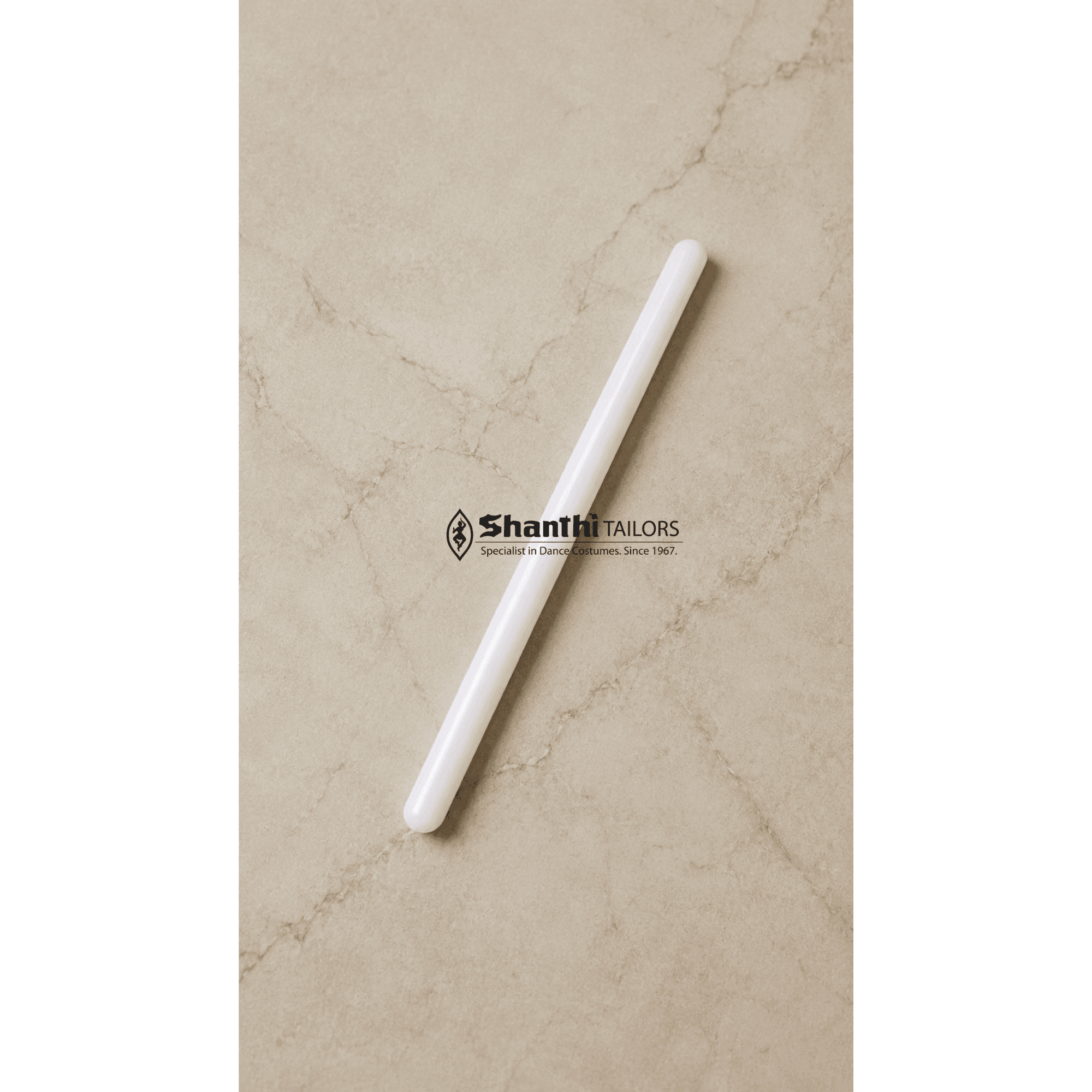
Fiber Stick for Nattuvangam
₹1,100
Hot Seller
Nattuvangam Rhythm Stick | Kali Mathi Wood - Practice Accessory
₹160
Nattuvangam Mannai | Jack
₹875
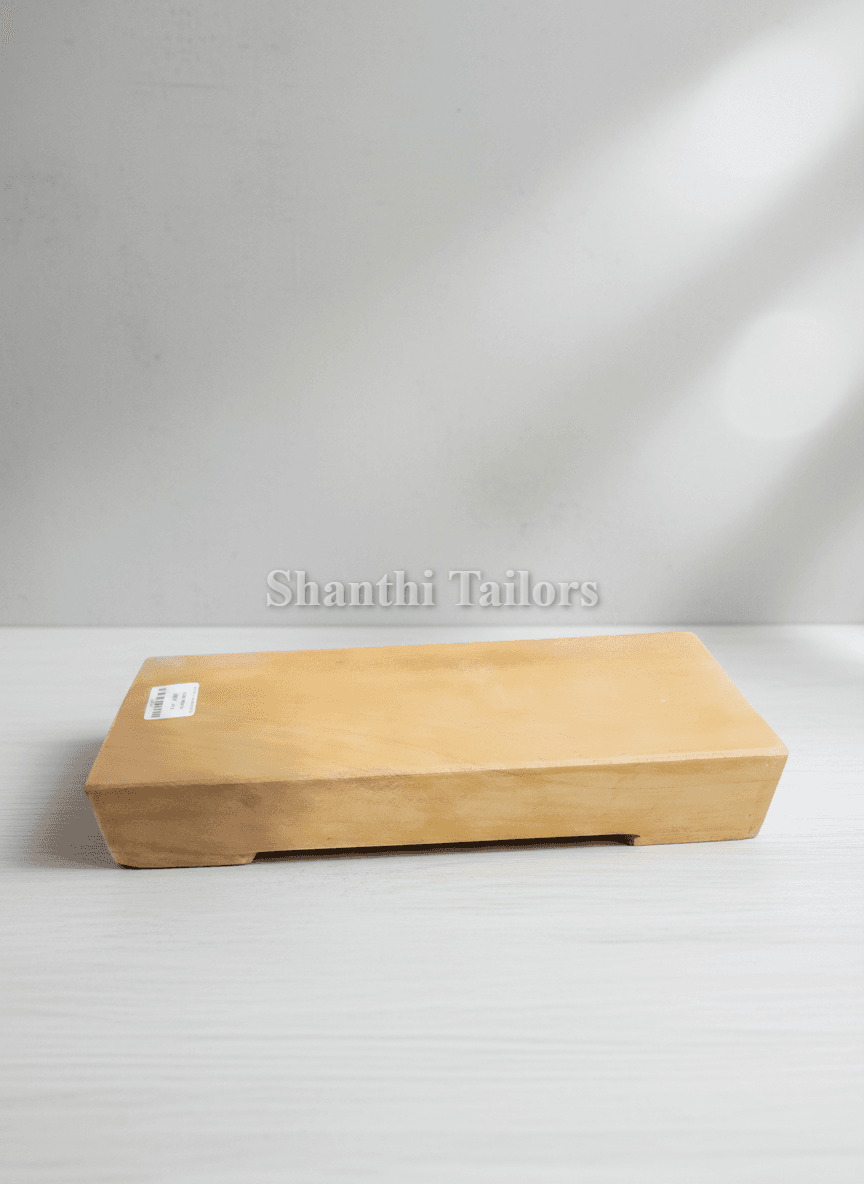
Nattuvangam Manai | Teak Wood - Practice Accessory
₹875
Nattuvangam Manai | Kali Mathi Wood - Practice Accessory
₹875
Sold Out
Bharatanatyam Nattuvanga Thalam - Shanthitailors Instrument
₹795
Sold Out
Nattuvangam Set - Thalam+ 3 Core Dance Books
₹1,085
Home
Shop
Cart
Saved
Account