✦
Shop Necklace | Original Temple Jewellery
✦Showing 49 products
Sort by:
Colour
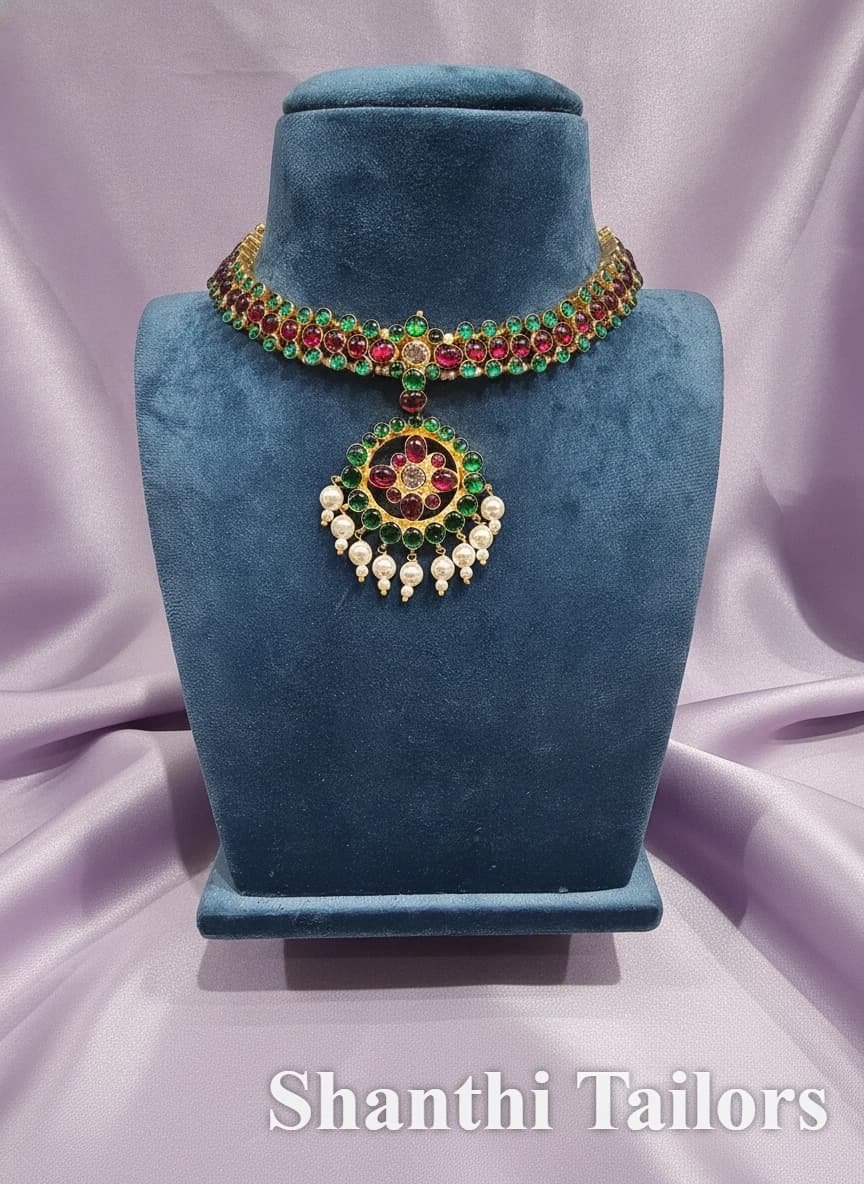
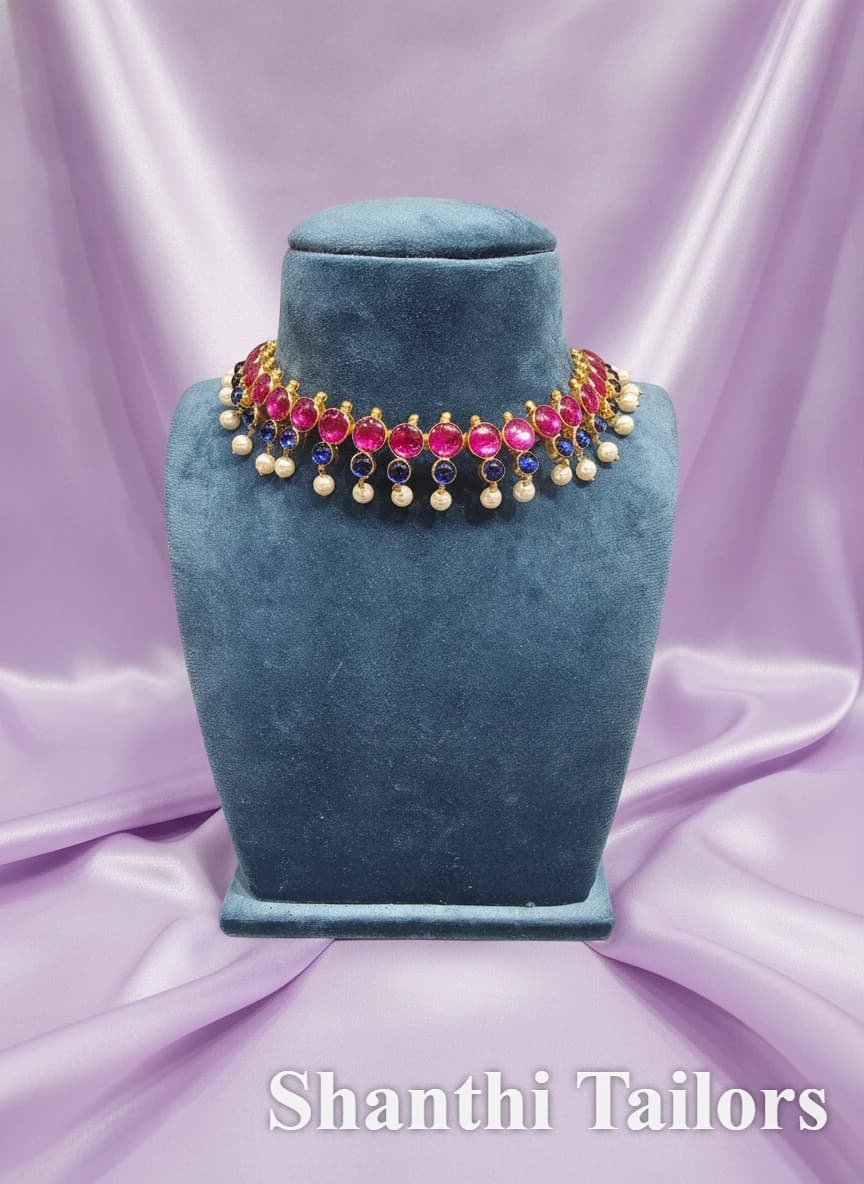
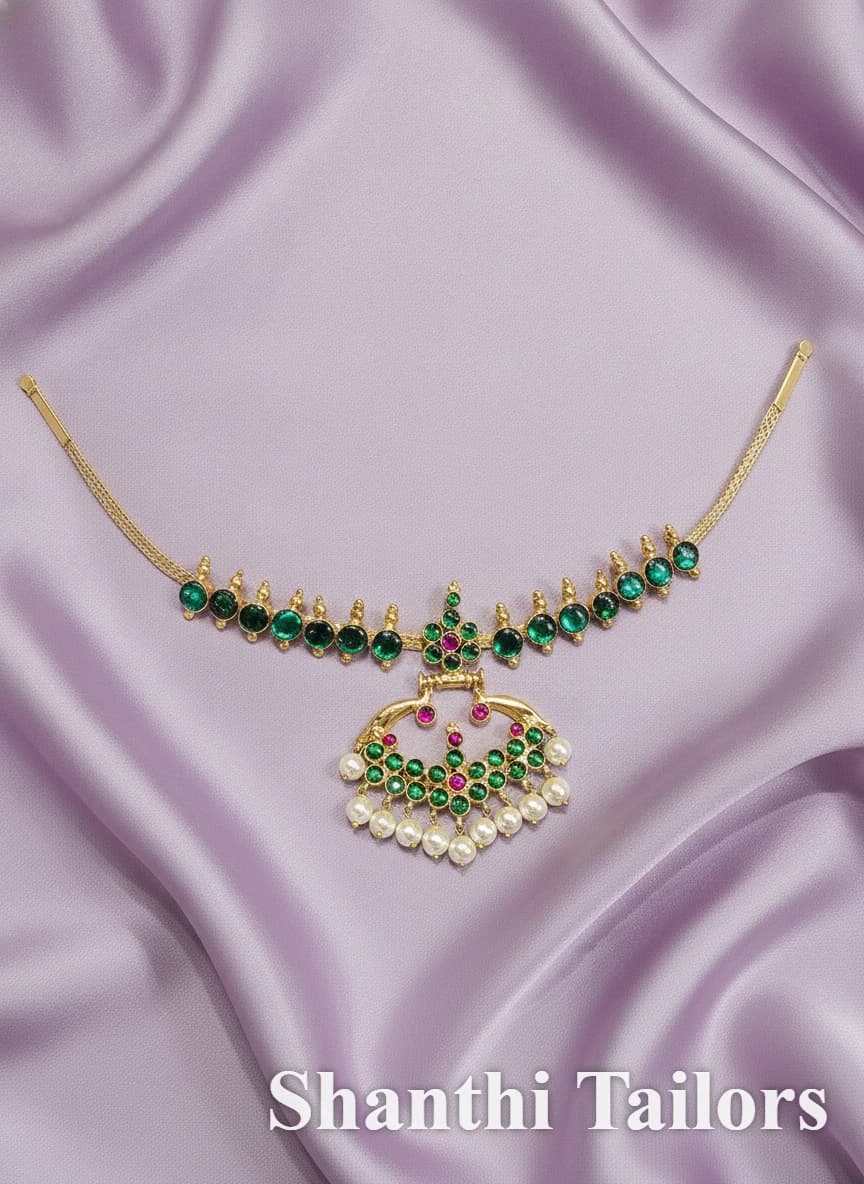
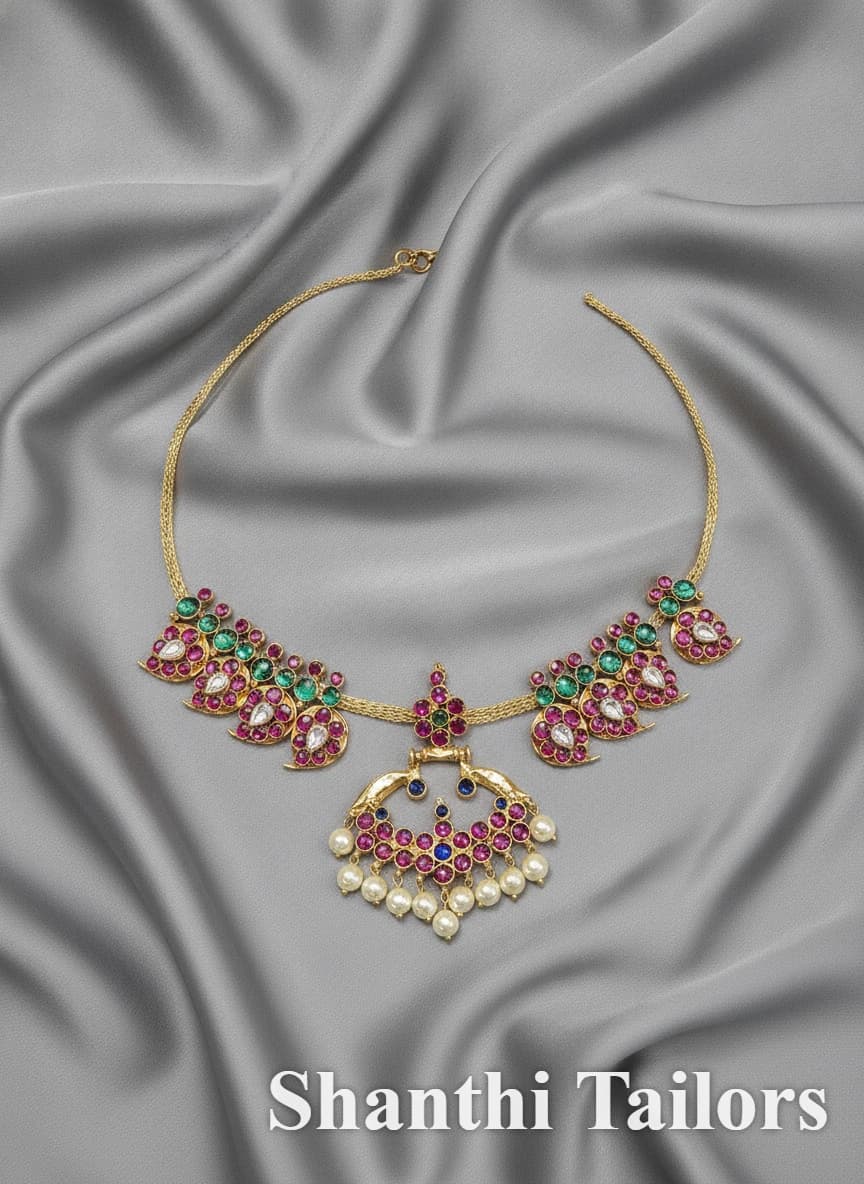

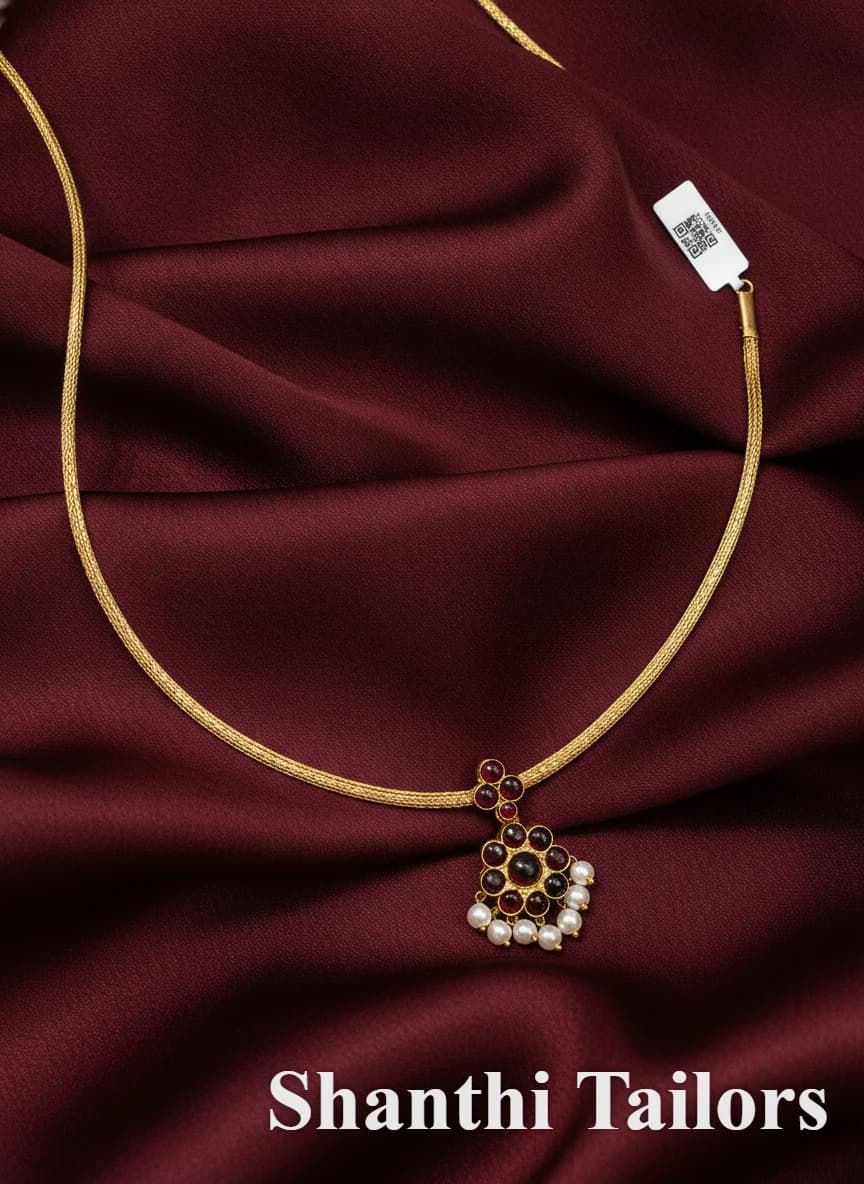

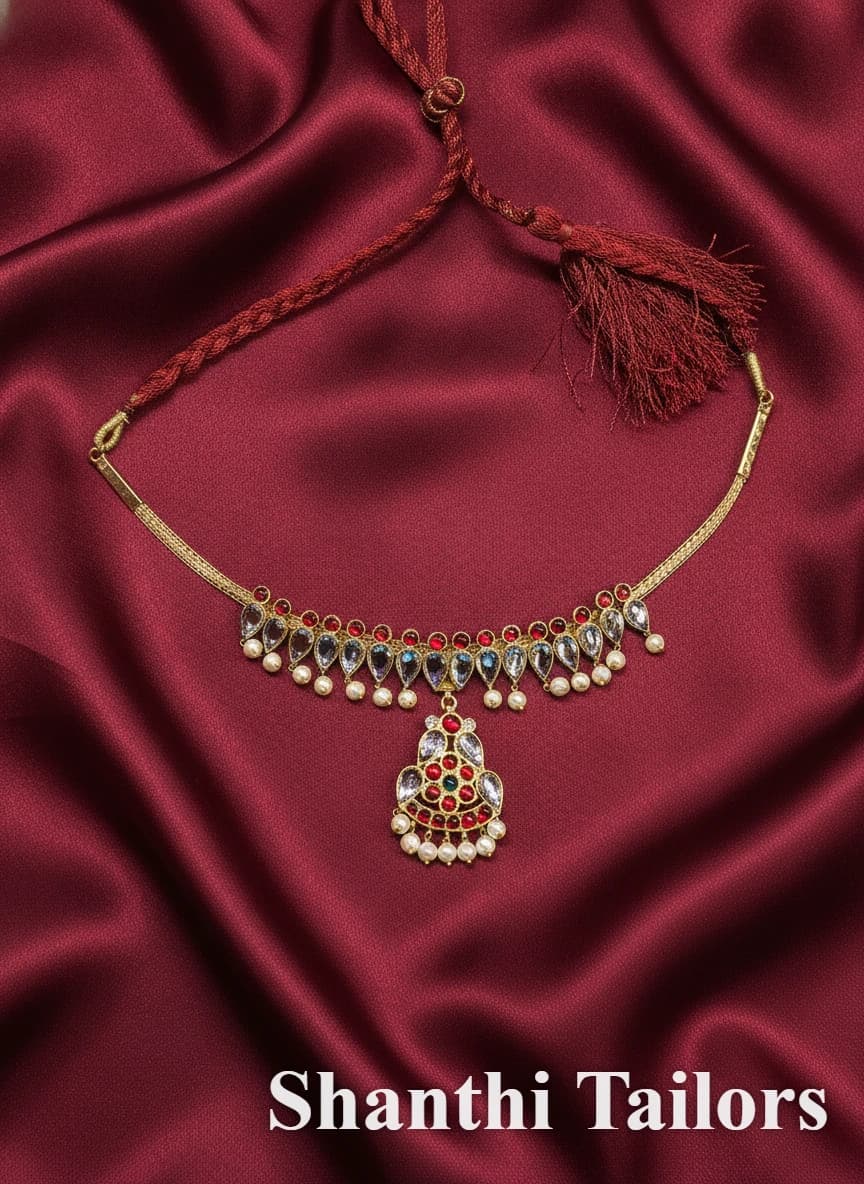


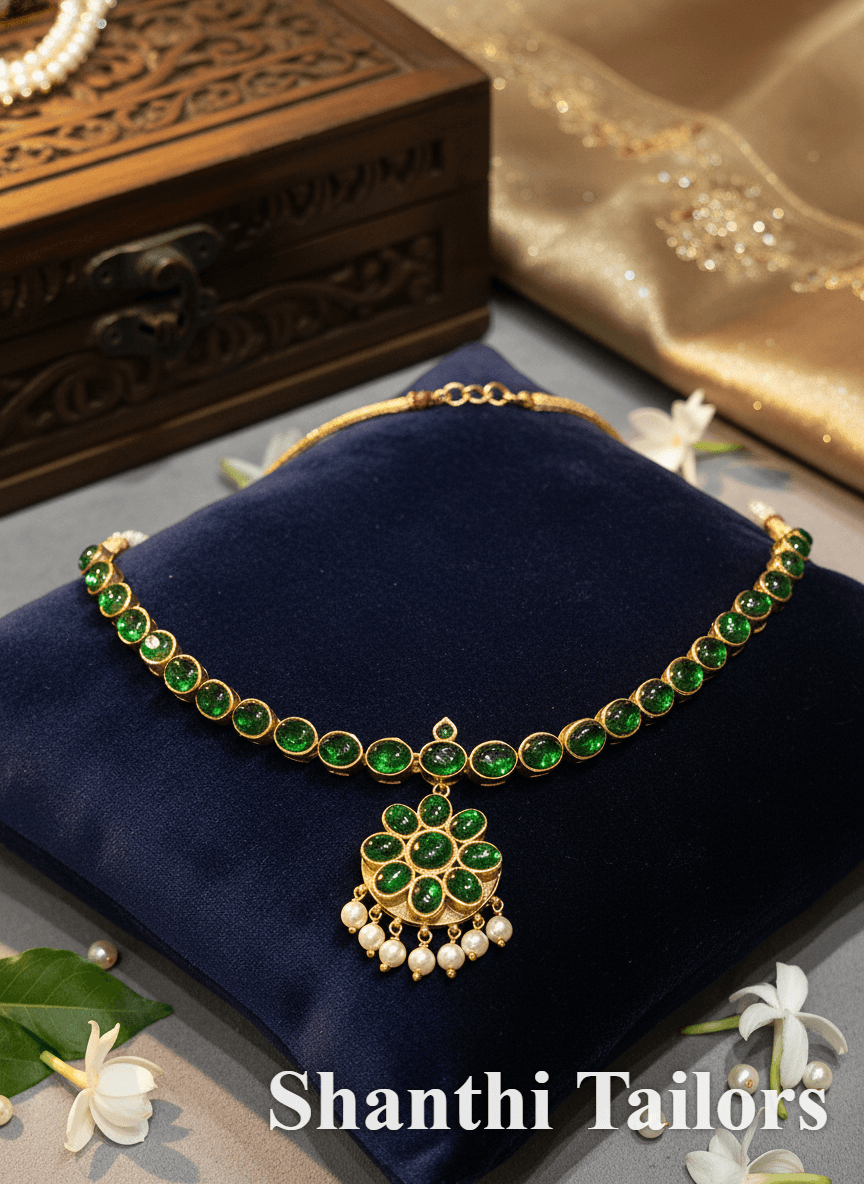

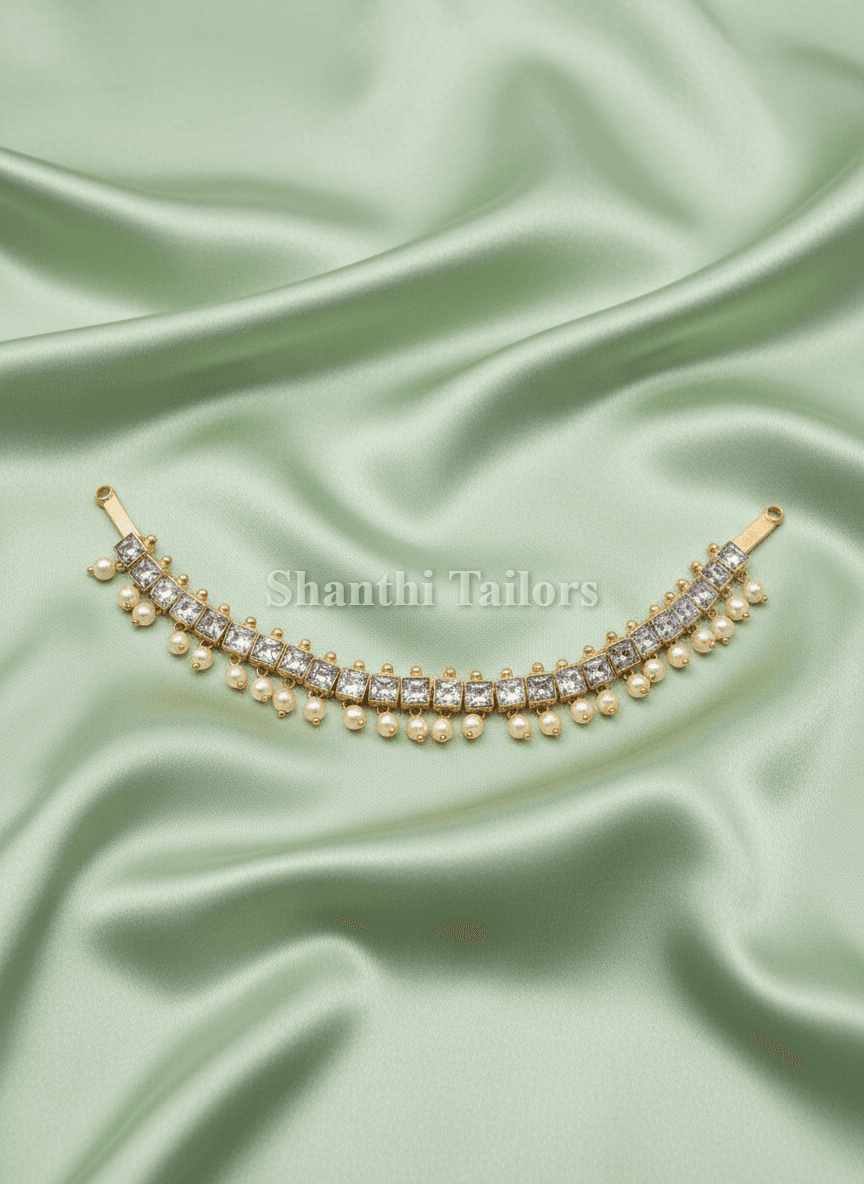


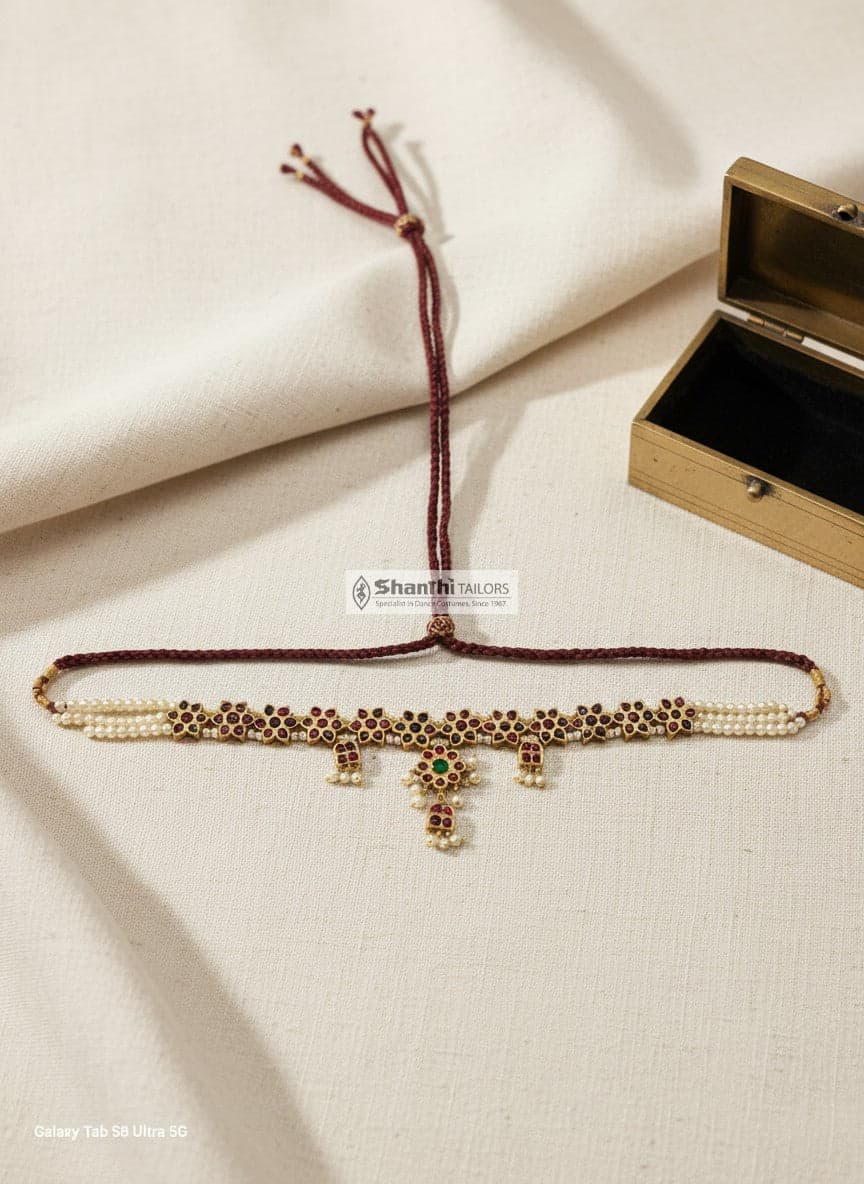


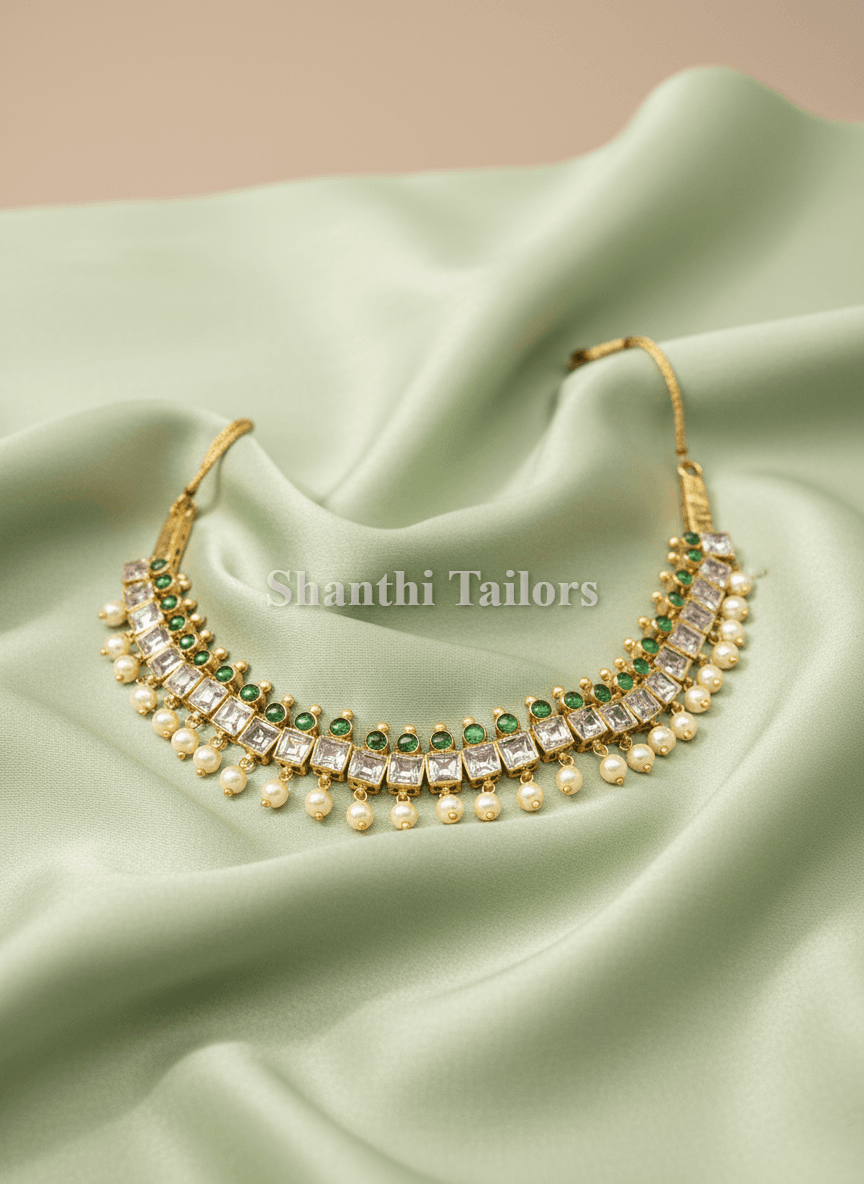
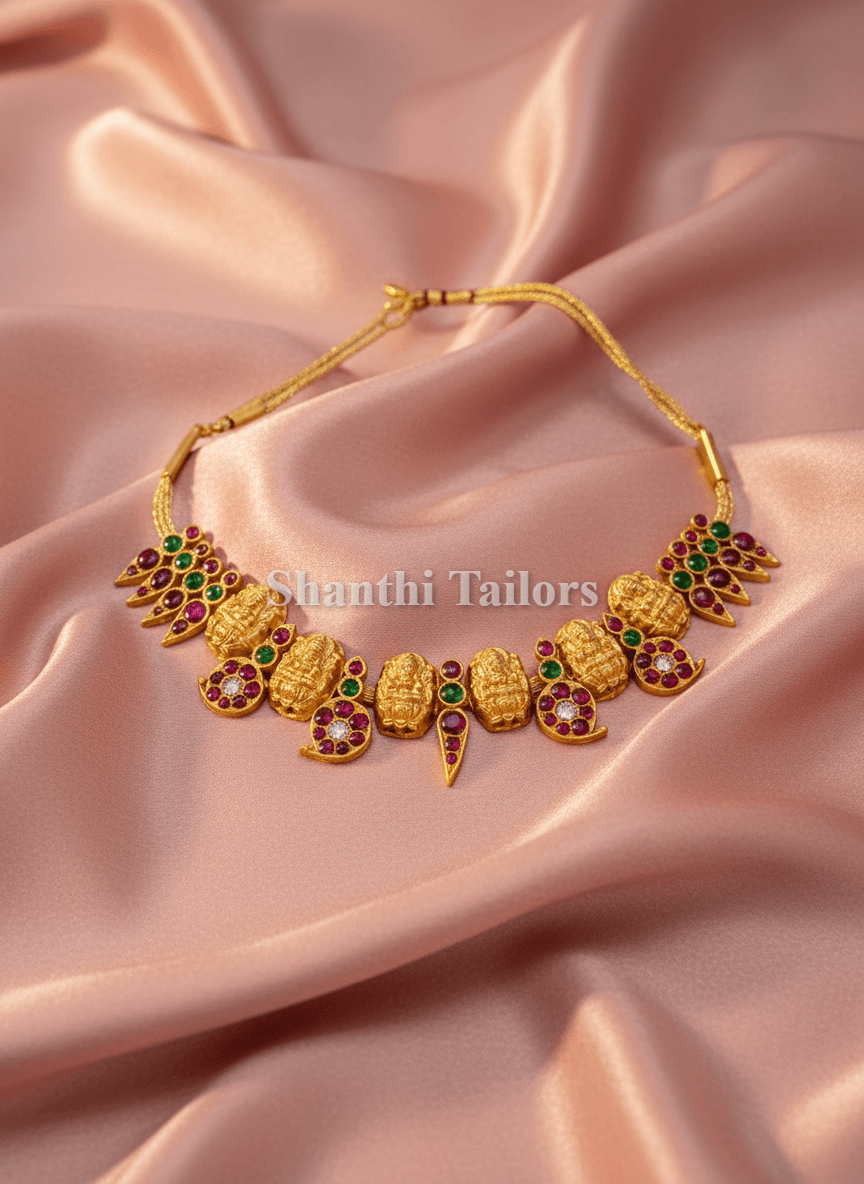

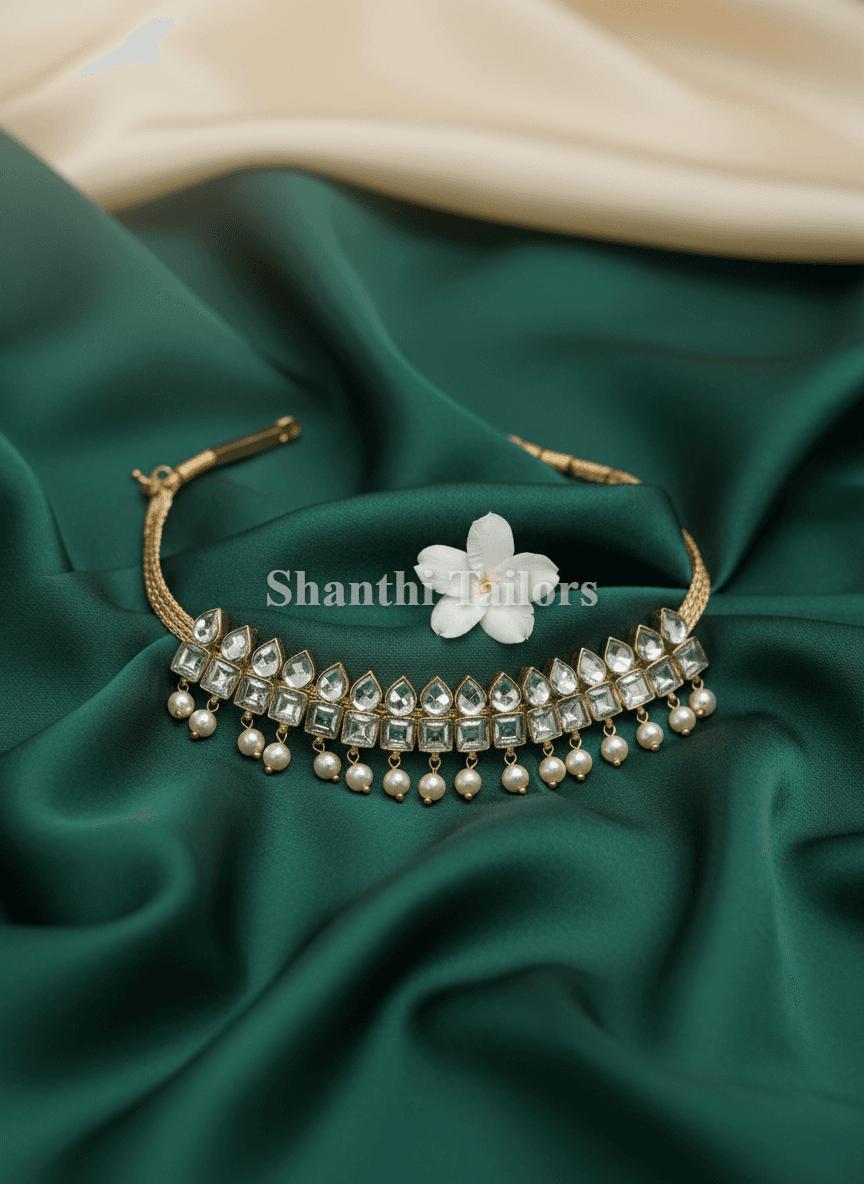
All 49 products in Necklace | Original Temple Jewellery
- Palai Necklace | Orginal Temple Jewellery
- Kemp Stone Choker | Original Temple Jewellery
- Moon Round Attigai | Original Temple Jewellery
- Moon Mango Attigai | Original Temple Jewellery
- Attigai | Single stone | Temple Jewellery - Necklace
- Flower Attigai | Choker | Original temple jewellery | TJDU4
- Double Stone Attigai | Original Temple Jewellery | TJST050 - Necklace
- Mango Short Necklace | Necklace | TJSS113
- Soubhana Necklace | Original Temple Jewellery
- Necklace | Original Temple Jewellery | TJSKA5
- Kundan Necklace | Original Temple Jewellery
- Oval Attigai | Original Temple Jewellery
- Annam Pearl Choker | Temple Jewellery | TJSS106 - Necklace
- 1 Stone Square Necklace | Original Temple Jewellery | TJAYY48
- 2 Stone Attiyal Necklace | Original Temple Jewellery
- Double Side Attigai | Originial Temple Jewellery - Necklace
- Nagar Hunt Necklace | Original Temple Jewellery | TJAYY53
- Flower Choker | Temple Jewellery | - Necklace
- C Necklace | Original temple jewellery | TJPK12
- Nagar Short Necklace | Original Temple Jewellery | TJAYY54
- 2 Stone Square Round Necklace | Original Temple Jewellery | Necklace | TJAYY51
- Lakshmi Mango Necklace | Original Temple Jewellery | TJAYY34
- Mango with Diamond Necklace | Original Temple Jewellery | TJAYY35
- Square Kovi Choker | Original temple jewllery | Necklace
- Attigai with Stud Combos | Original Temple Jewellery
- Surul Mango Necklace | Original Temple Jewellery | Short Necklace
- Lotus Necklace | Original Temple Jewellery | Short Necklace
- Flower Attigai | Original Temple Jewellery
- 3 Stone Attigai Temple Jewellery - Bharatnatyam Style | Shanthi Tailors | TJS17
- Big Surul Mango Choker | Original Temple Jewellery Necklace
- Kattal Kal Necklace | Original Temple Jewellery
- Flower Necklace | Original Temple Jewellery
- 2-Stone Attigai – Red Kemp Design | Original Dance Temple Jewellery
- Choker | Original Temple Jewellery | Shanthi01
- Chutty | Tikka | Star Chutti | Original Temple Jewellery
- 4 LINE DOT NECKLACE CENTER BLUE | ORIGINAL TEMPLE JEWELLERY
- BLACK THREAD NECKLACE SWAN PENDENT | ORIGINAL TEMPLE JEWELLERY
- Annam V Choker | Temple Jewellery | TJSS107 - Necklace
- Beaded Necklace | Original Temple jewellery
- Exquisite 1/2 Rockodi Necklace - Traditional Bharatanatyam Jewelry
- 3 STONE OVAL Necklace | TEMPLE JEWELLERY
- 3 STONE Blue Necklace | Original Temple Jewellery
- Blue Oval Necklace | Original Temple Jewellery
- 3 Stone Chandran Choker | Original Temple Jewellery Necklace
- Diamond Mango Choker | Original Temple Jewellery Necklace
- Doll Choker | Original Temple Jewellery Necklace
- Bharatanatyam Jewellery Set - Mango Choker Temple Jewelry Shanthitailor
- Annam Rounded Necklace New | Original Temple Jewellery
- 3 Pcs Mango Necklace | Original Temple Jewellery