✦
Shop Haram | Original Temple Jewellery
✦Showing 28 products
Sort by:
Colour


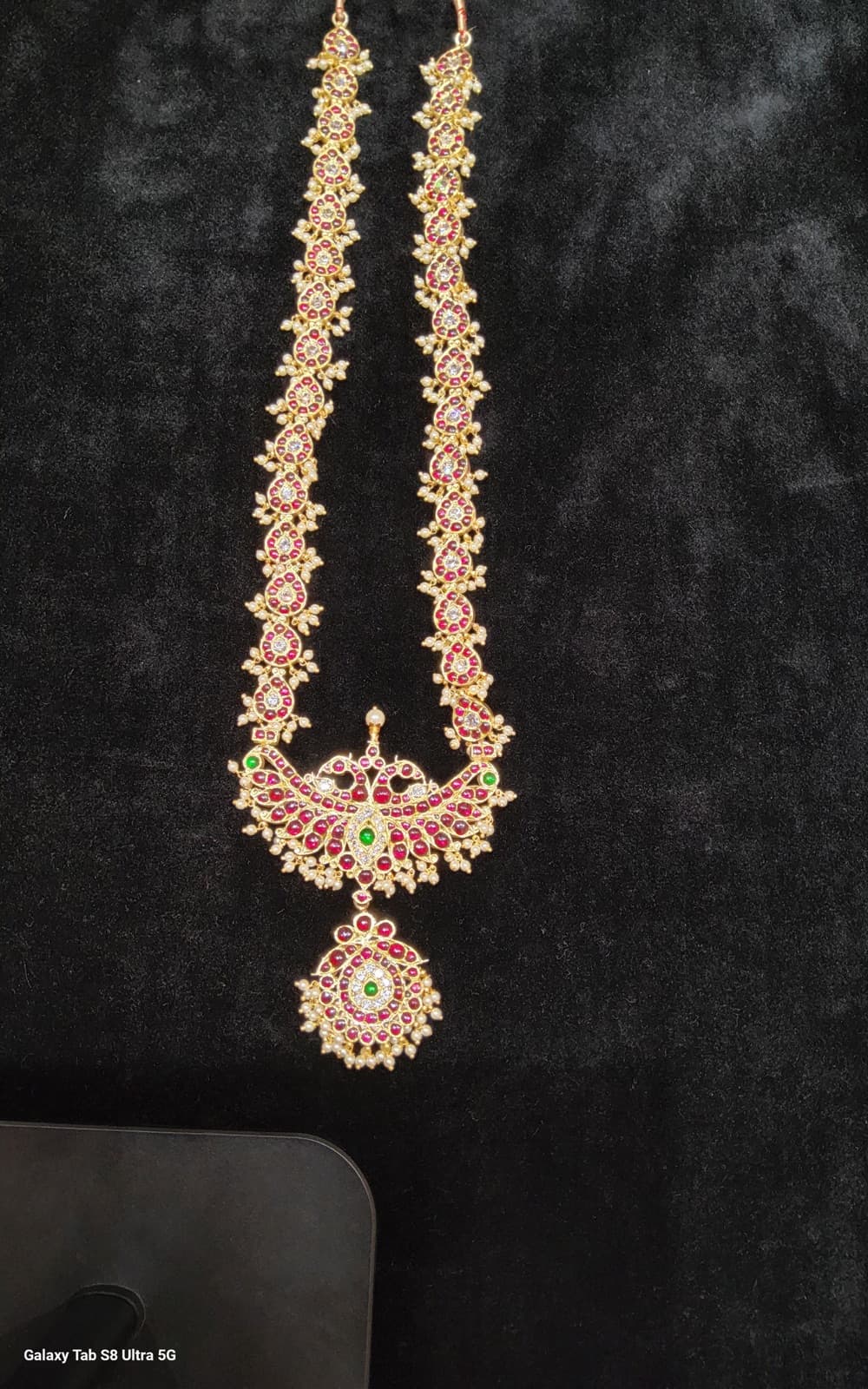


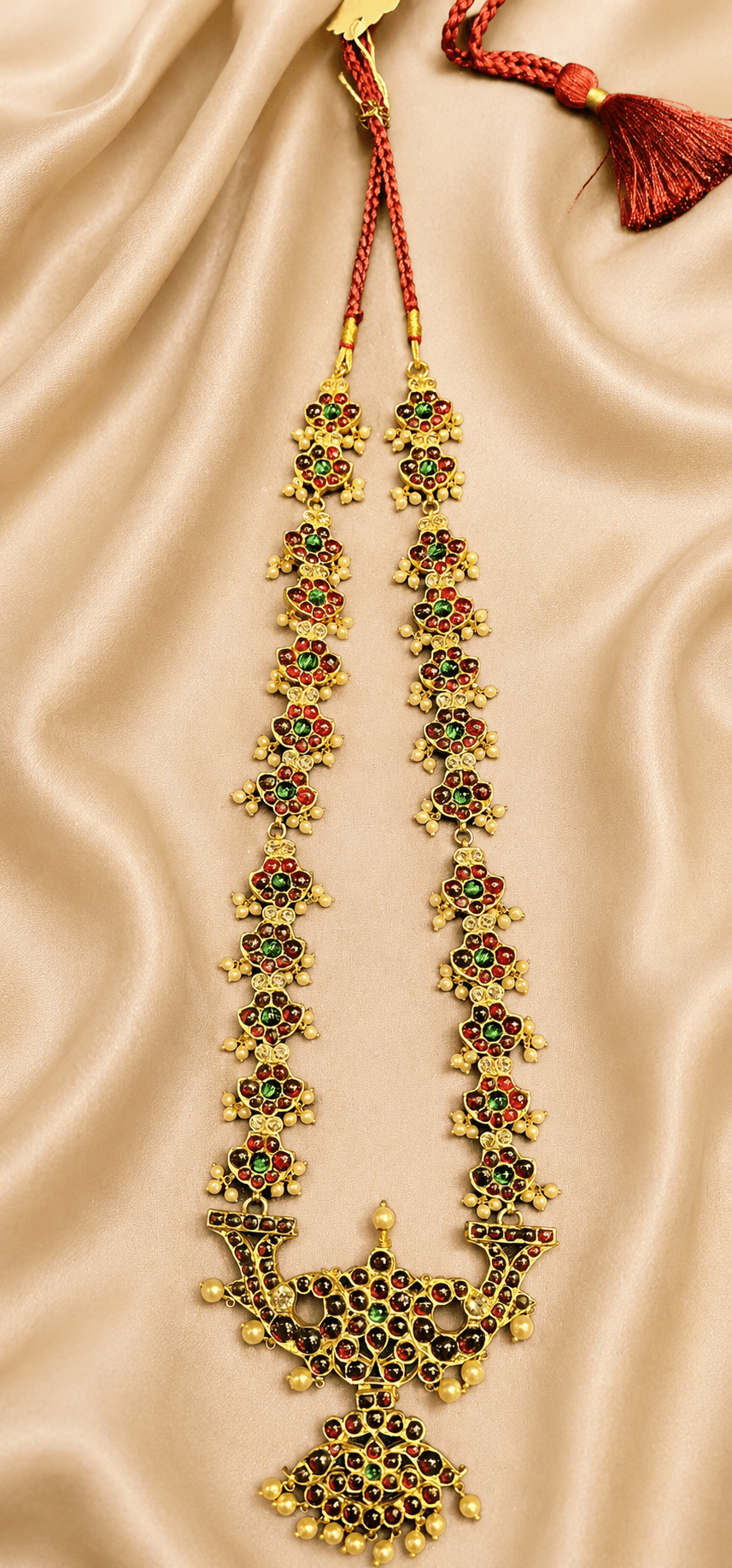
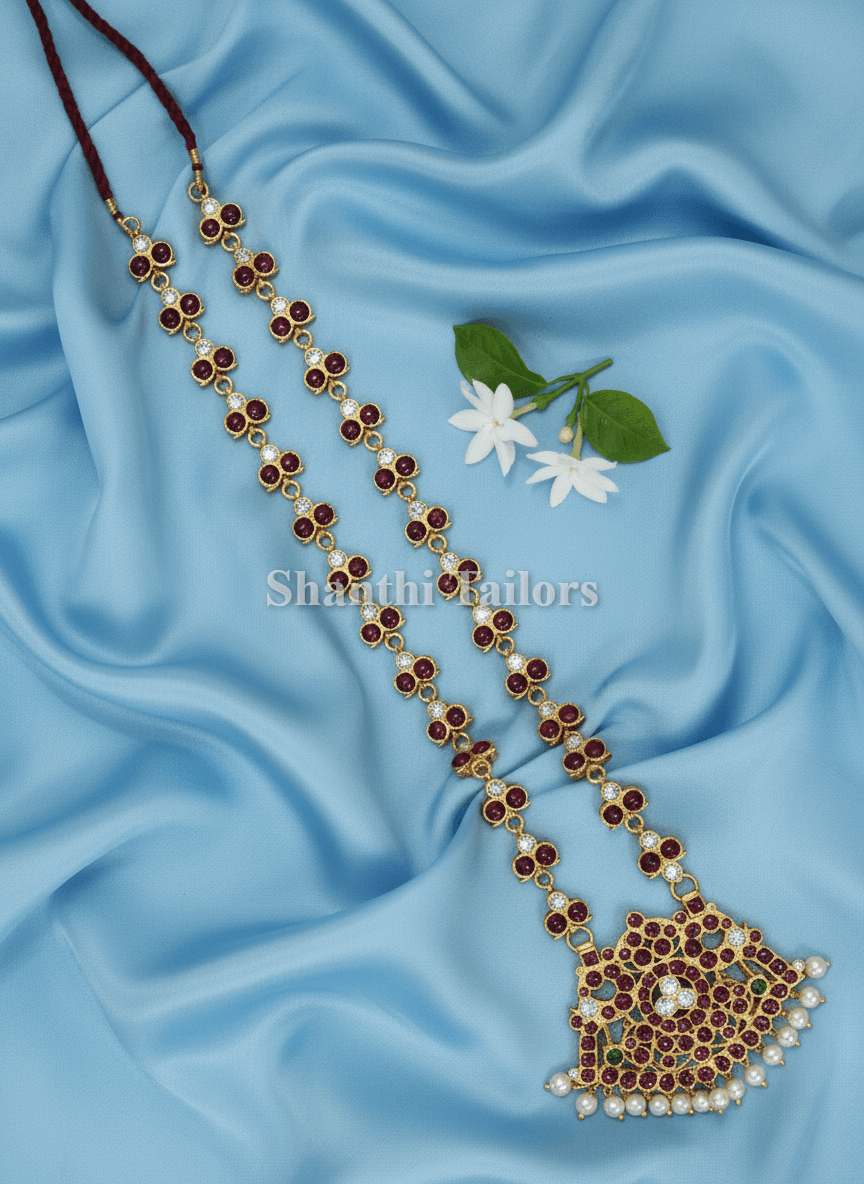
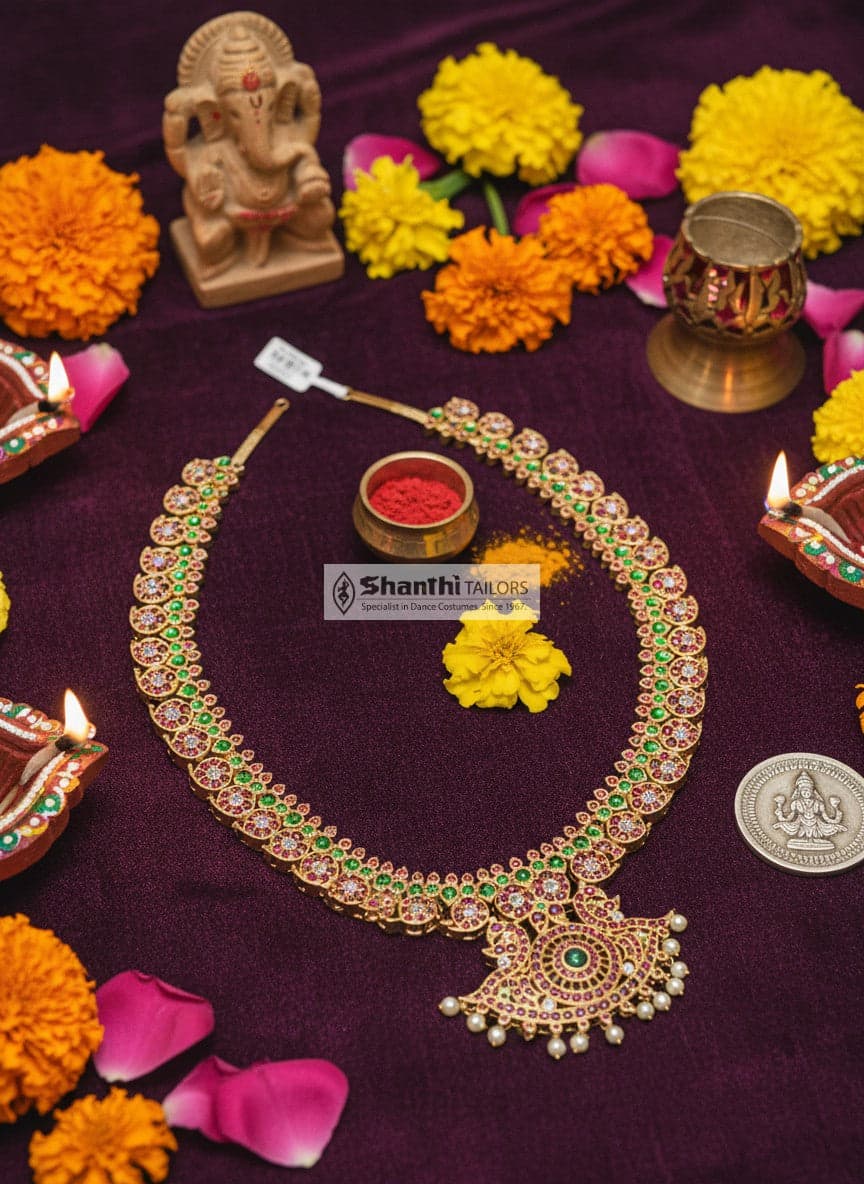
All 28 products in Haram | Original Temple Jewellery
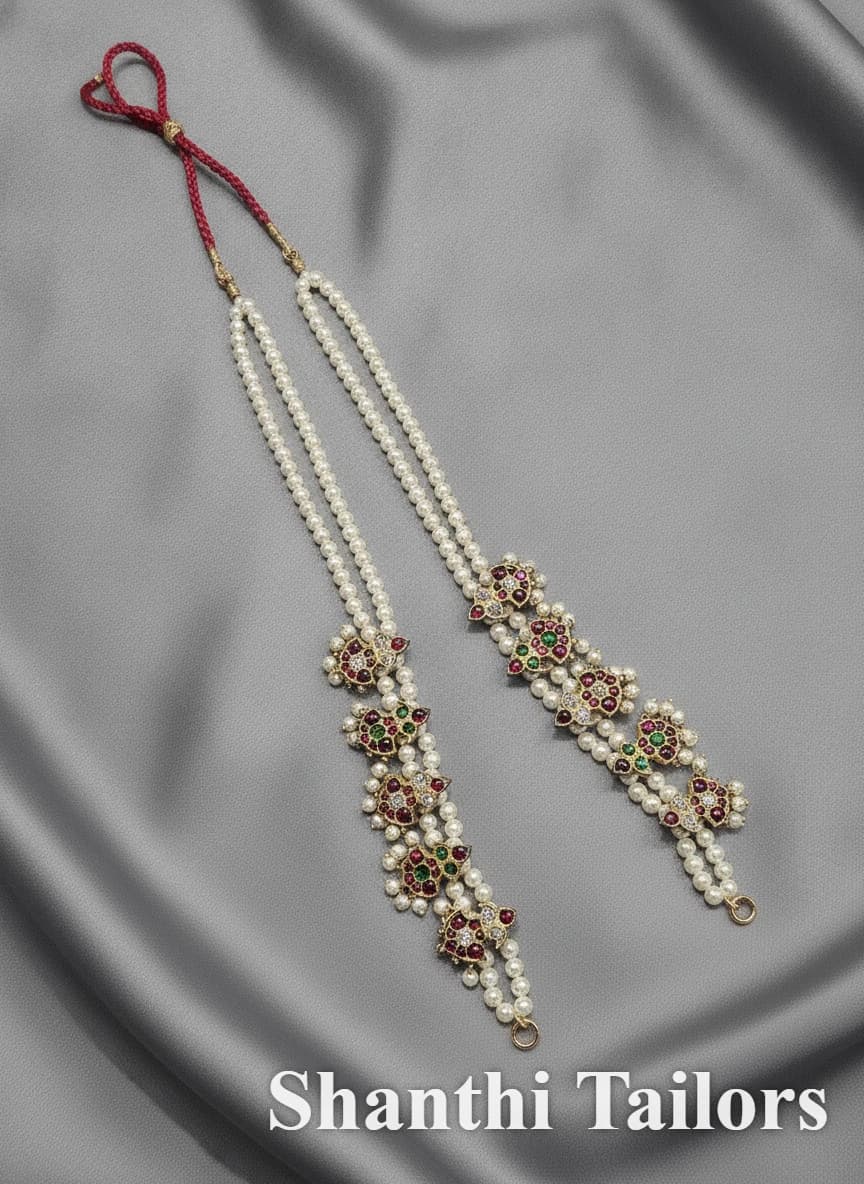
- Mallai Detachable | Haram | Original Temple jewllery | Long Haram
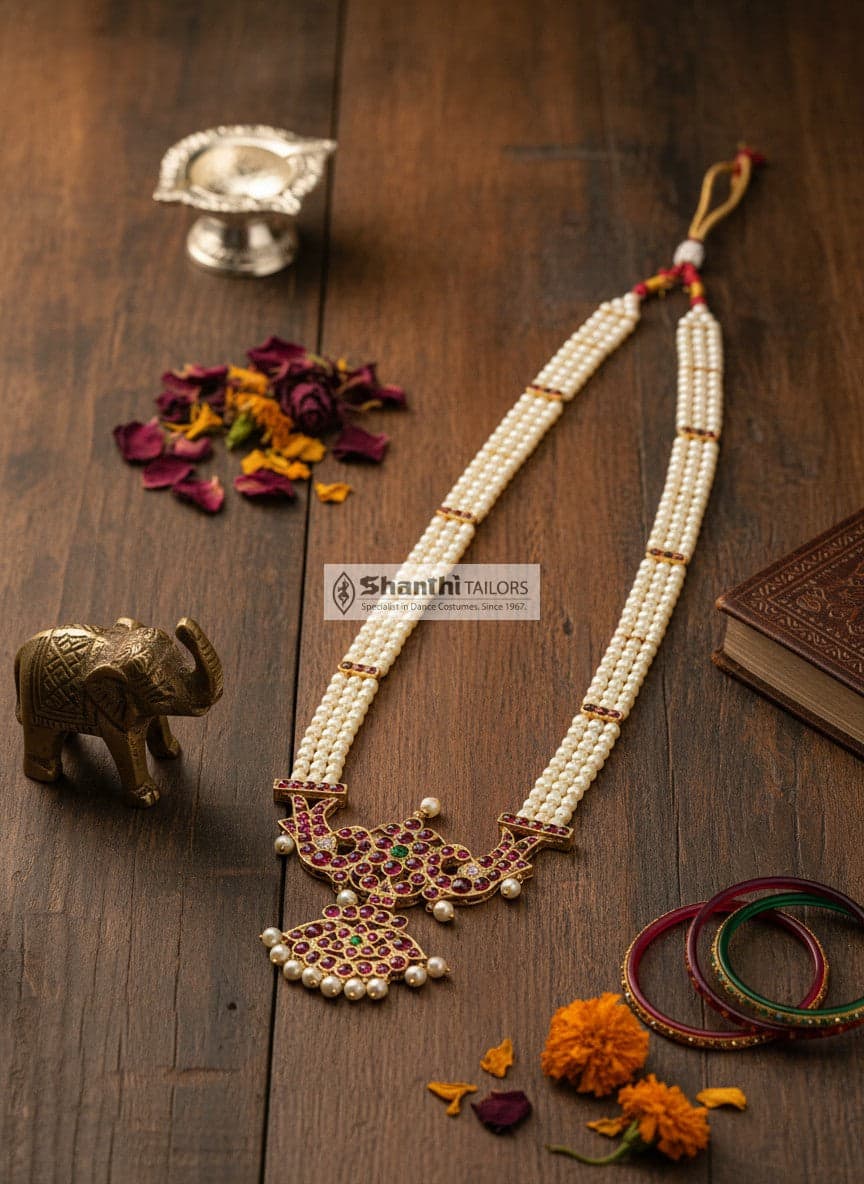
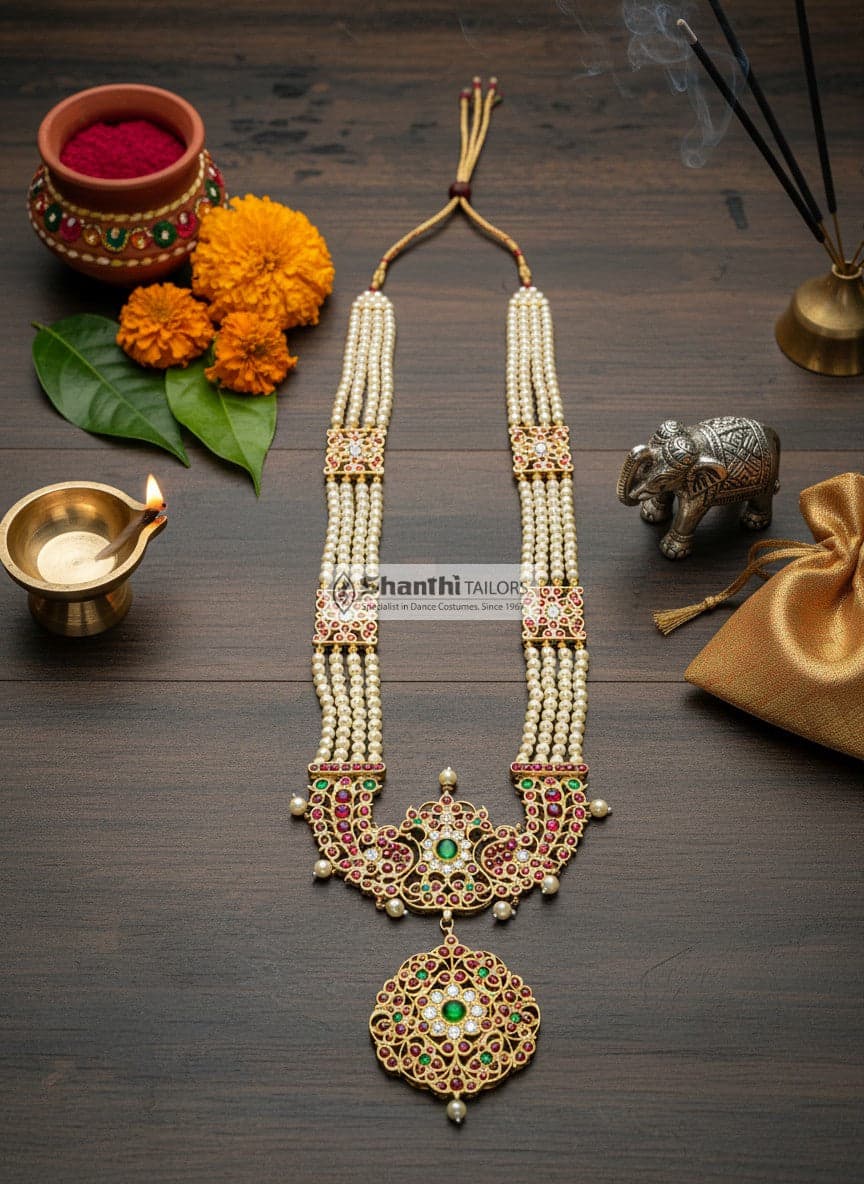
- 4 Line Muthu Malai Haram | Original temple jewellery | Haram | TJSK016
- Haram | Original temple jewllery | Mango Long Haram | Long Haram | TJSS130
- Stud Muthu Malai Haram | Original Jewellery | TJSTP1
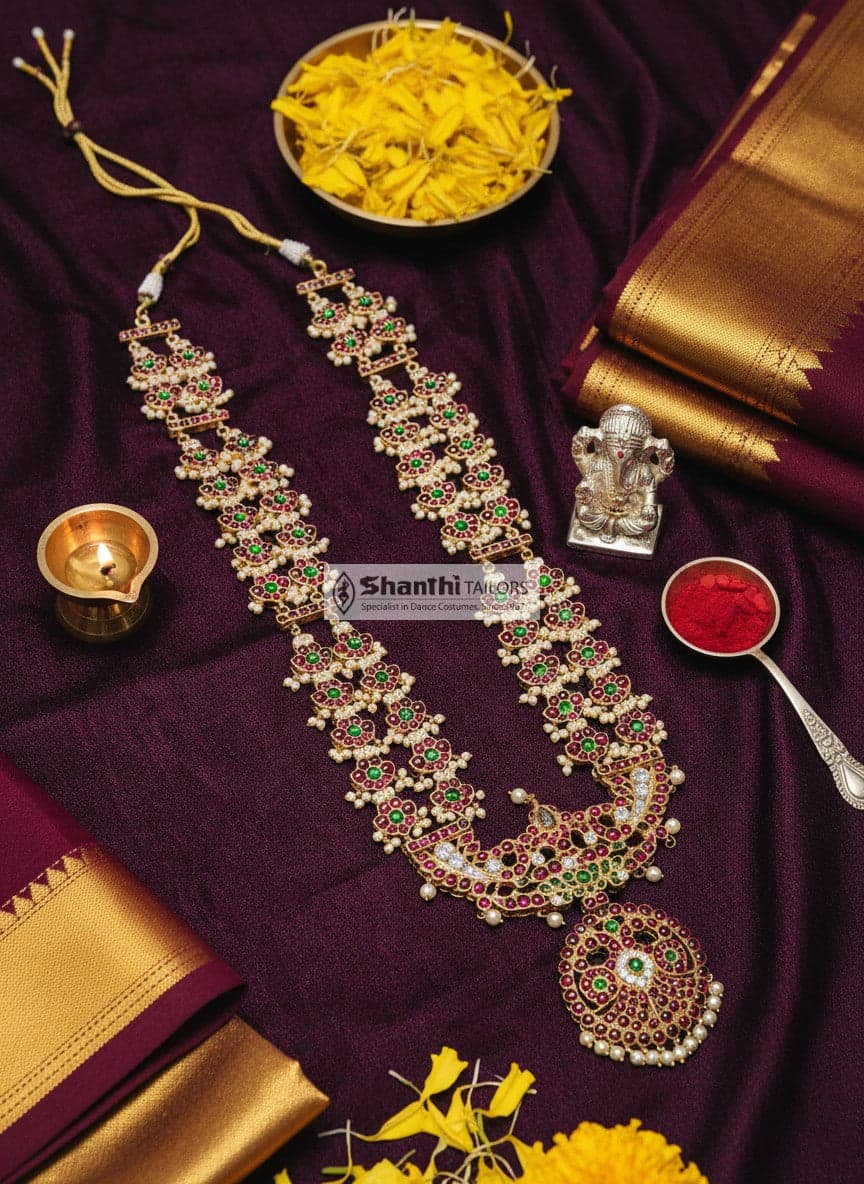
- Flower Haram w Mahari Pendant | Original temple jewellery | Haram
- Medium Manga Malai Haram | Original temple jewellery | Haram | TJPK871
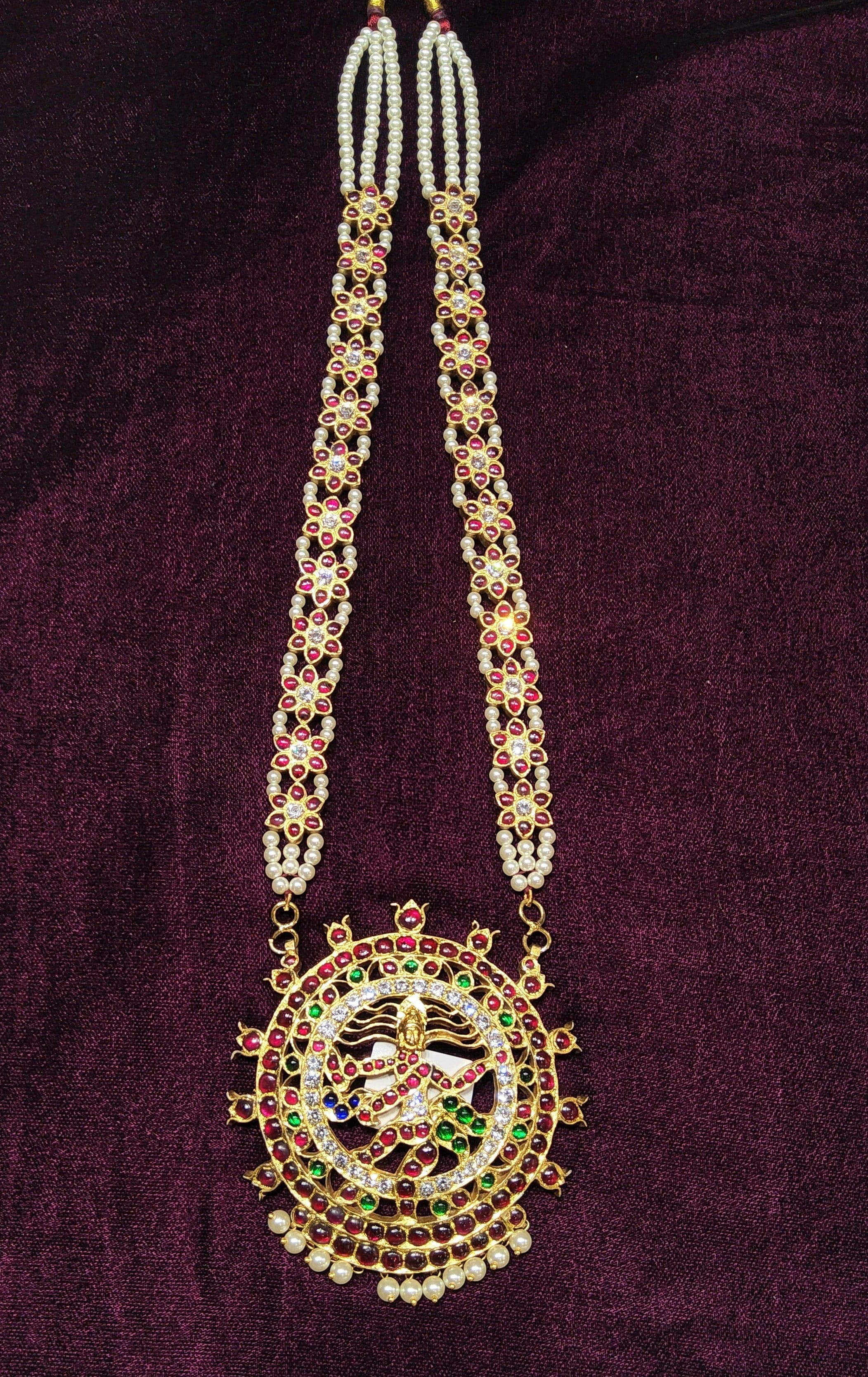
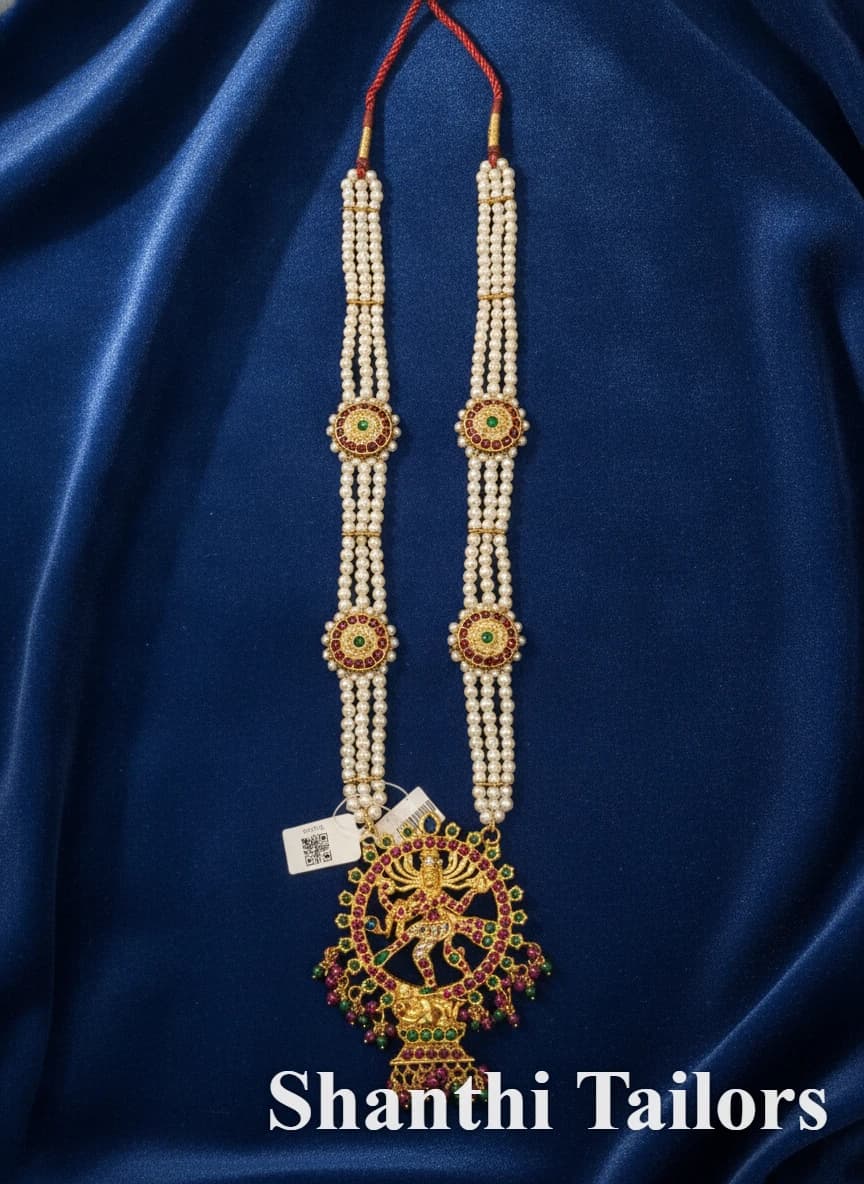
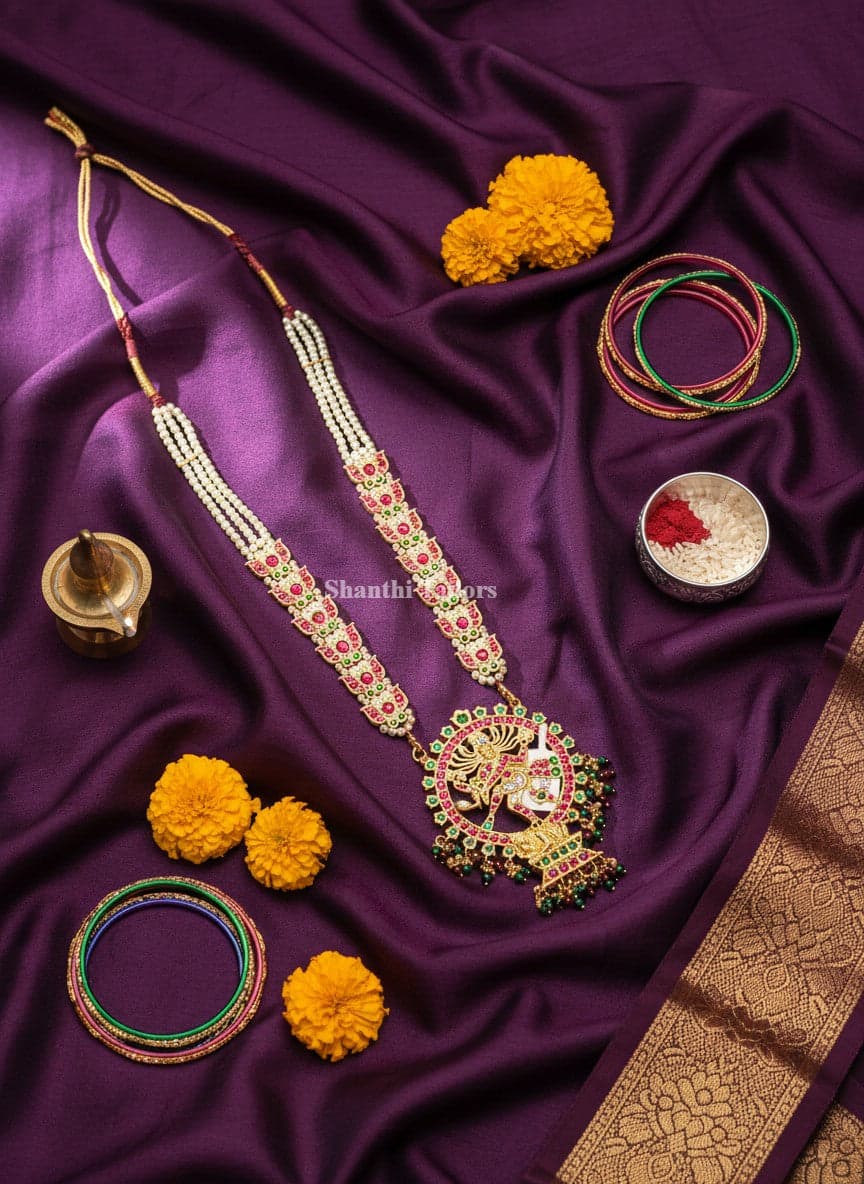
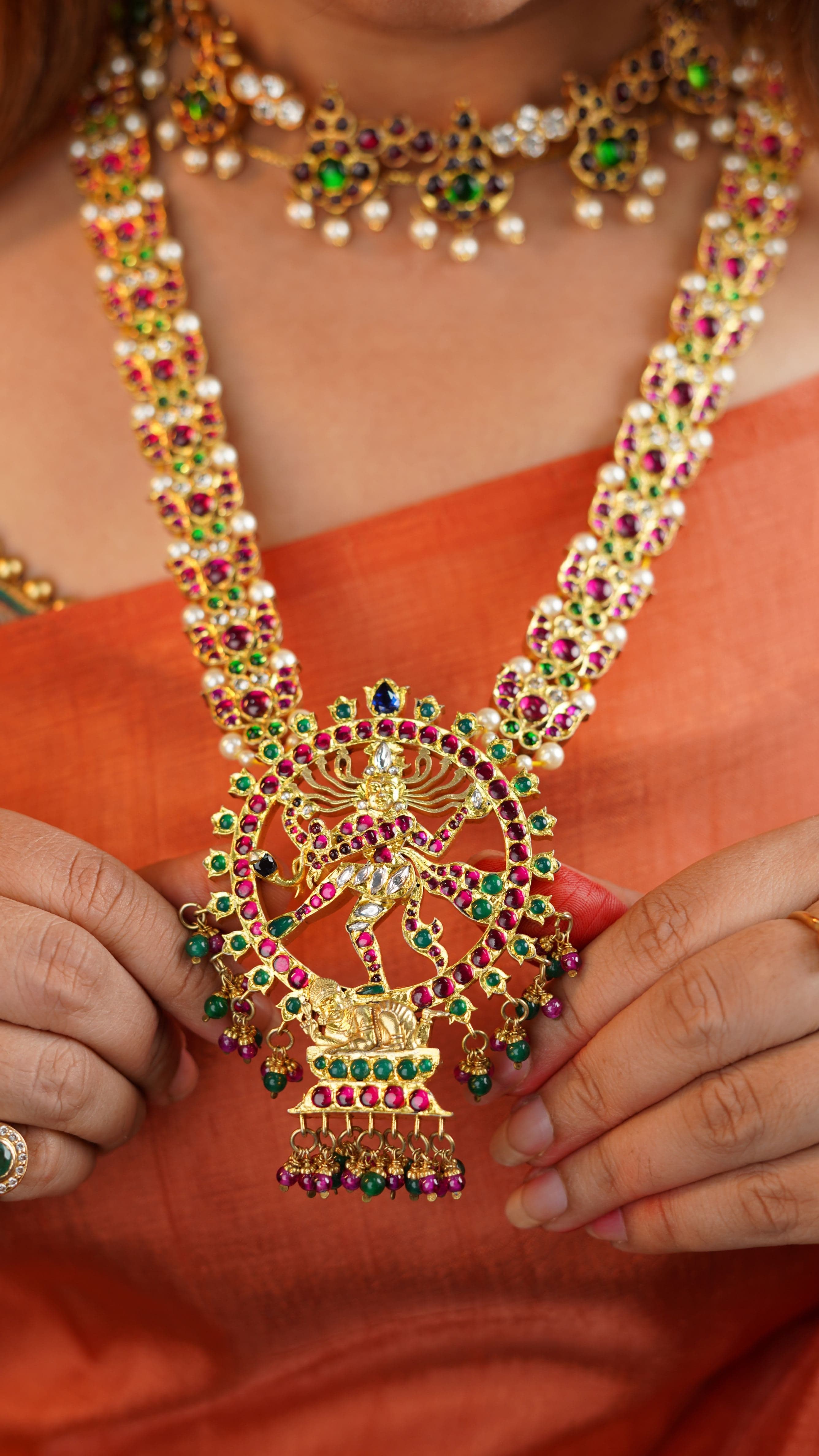
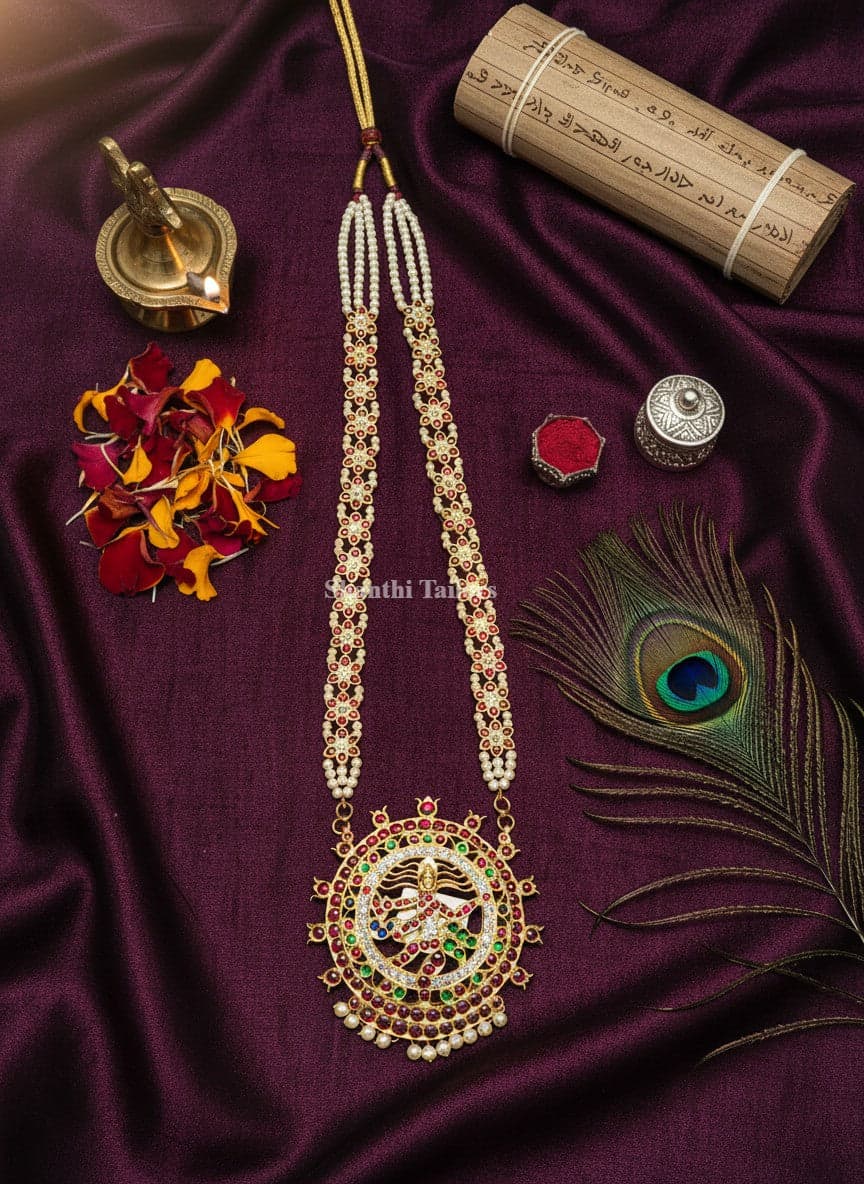
- Haram | Original temple jewllery | Natrajar Lotus Haram | Long Haram
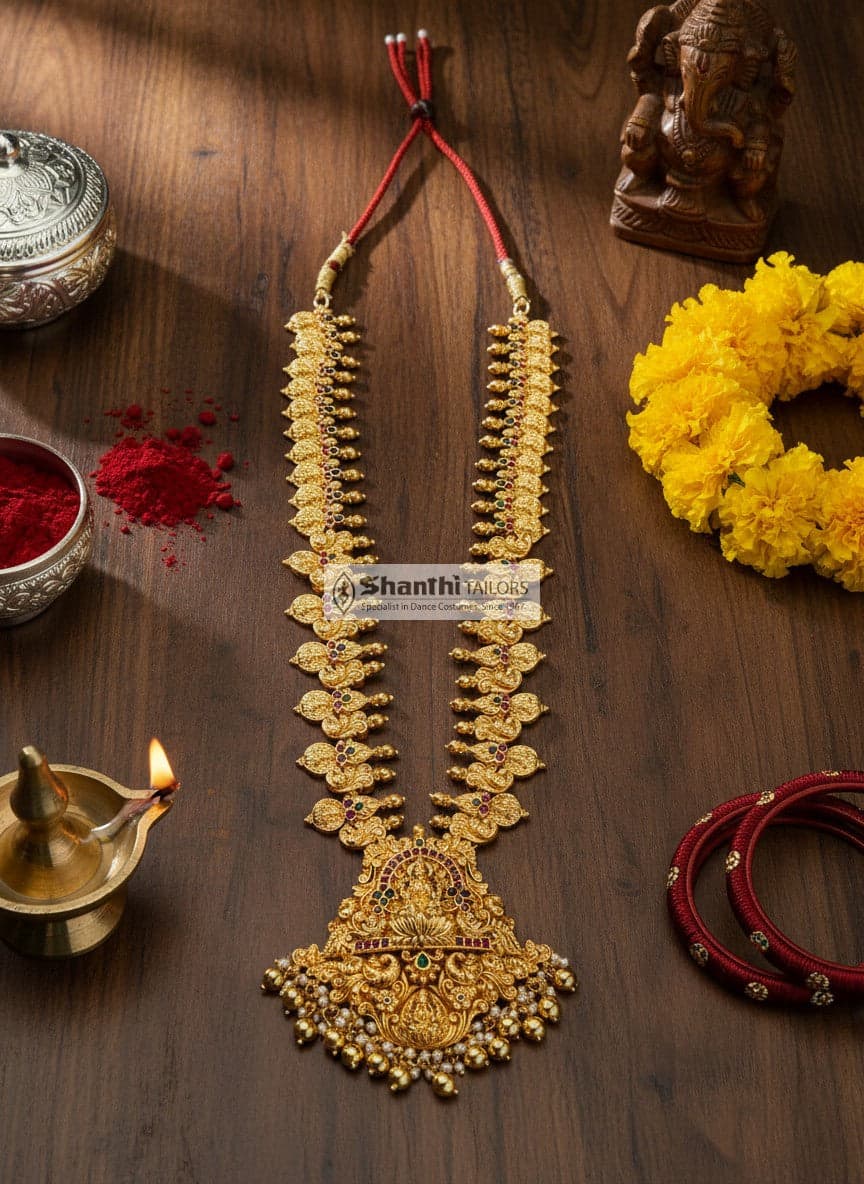
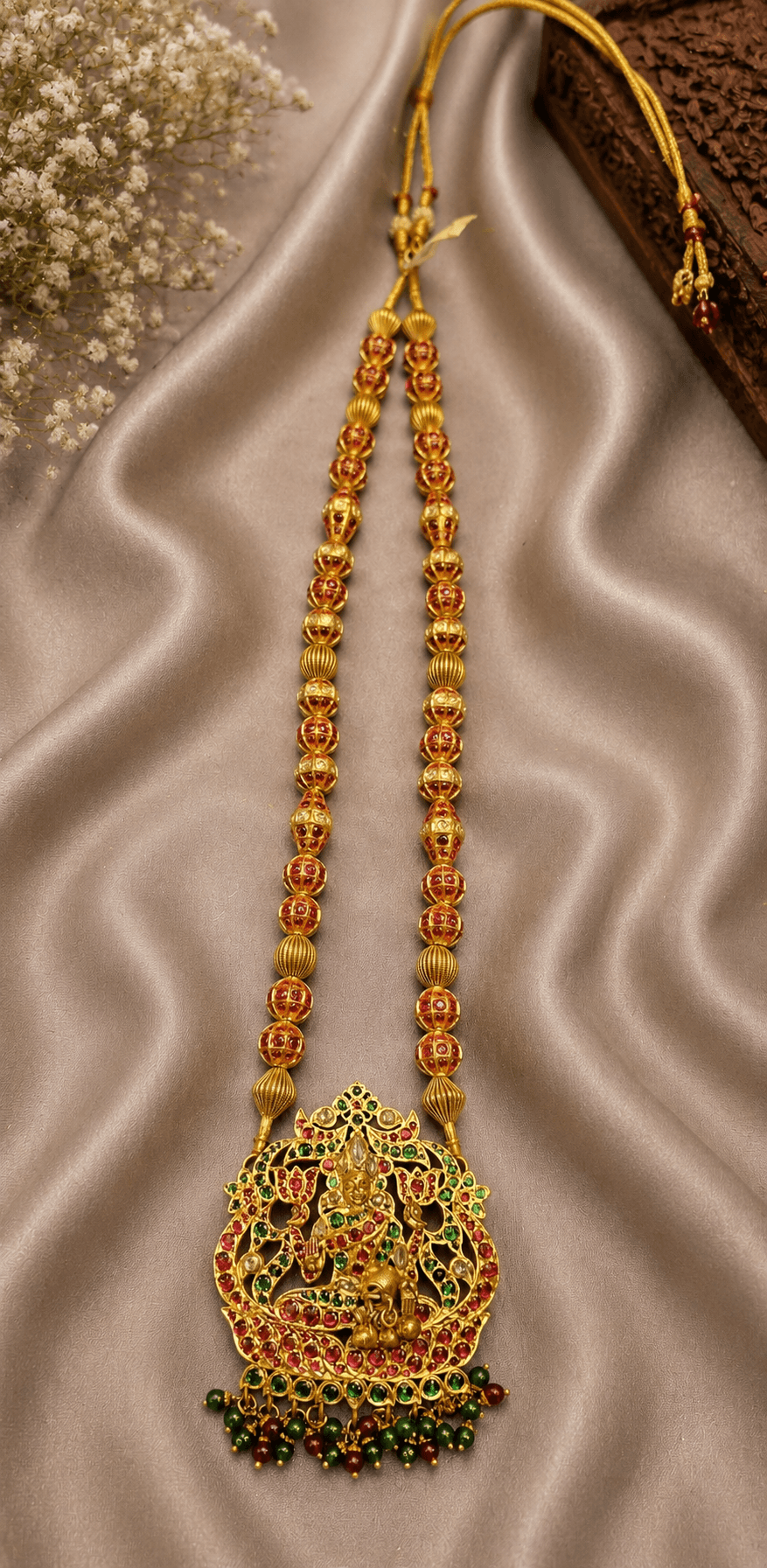
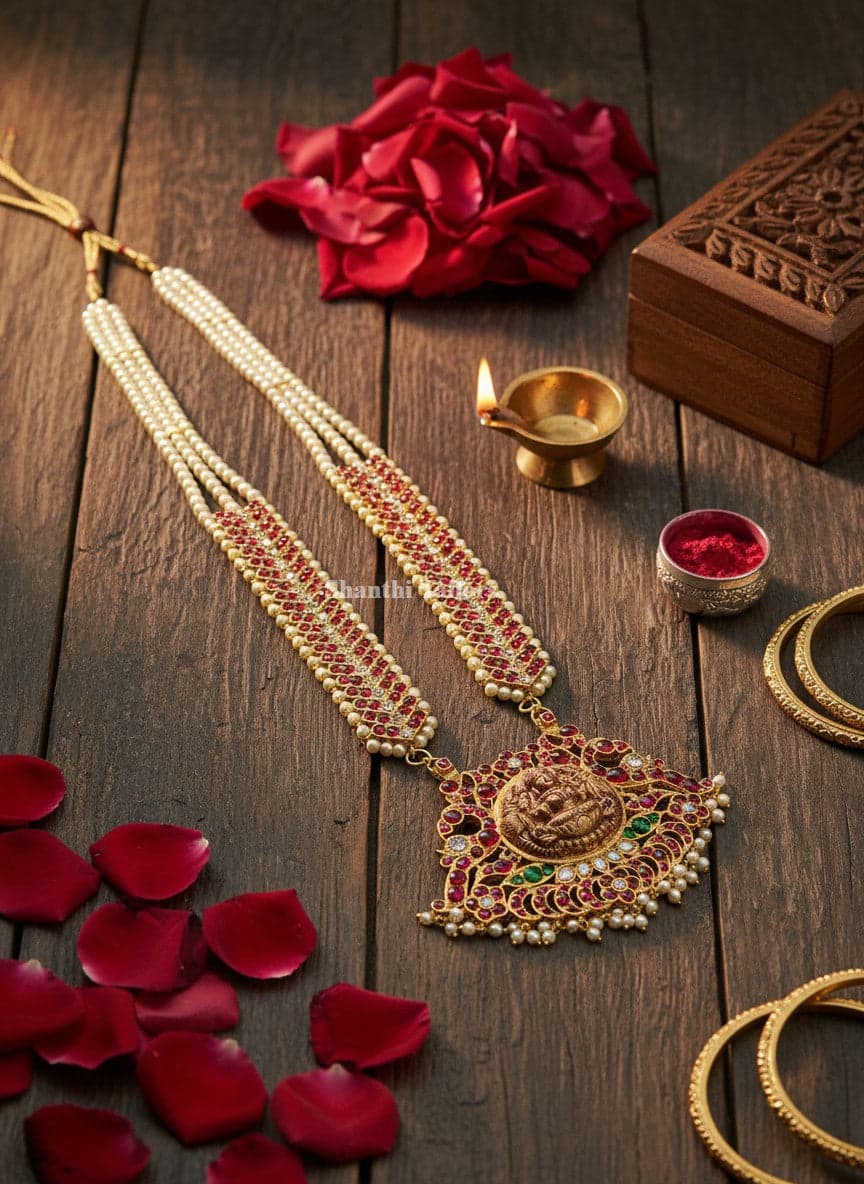
- Haram | Original temple jewllery | Long Haram | Lakshmi Haram |
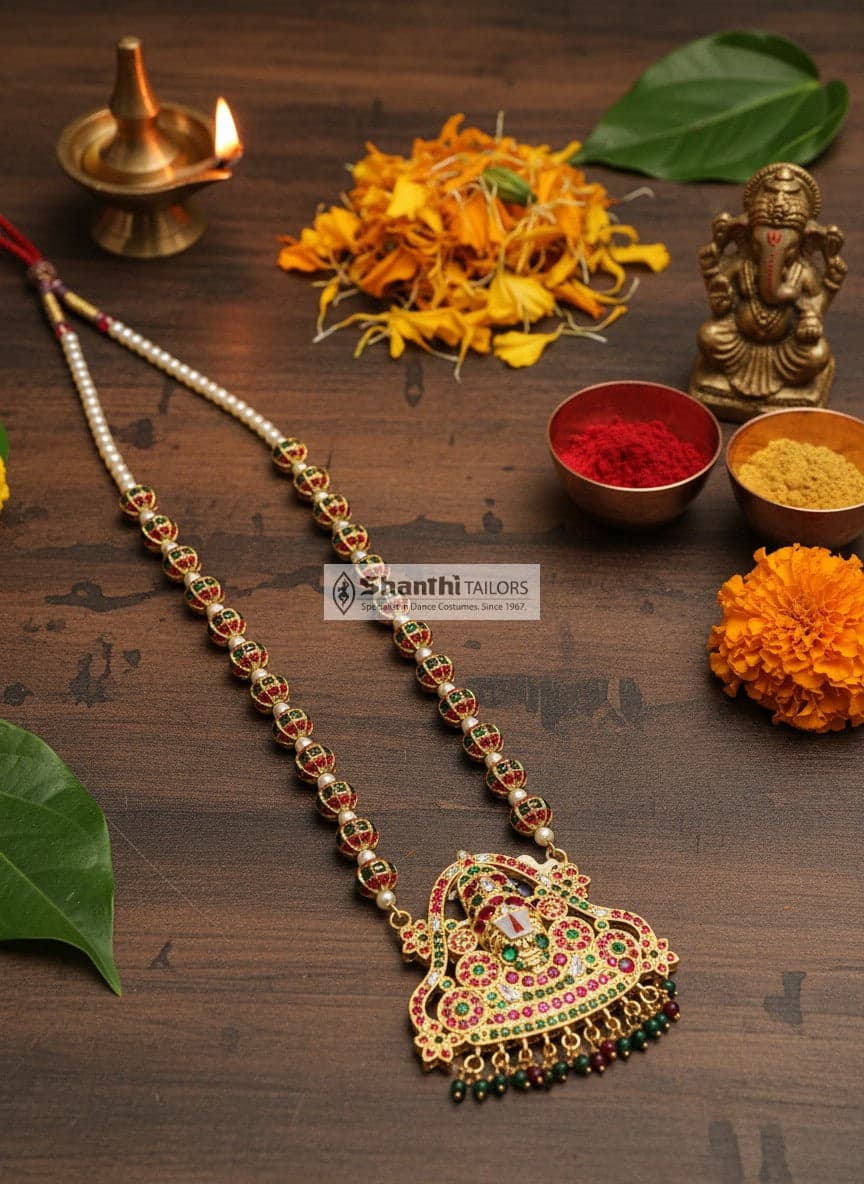
- Haram | Perumal Haram | Original temple jewllery | Long Haram | TJAN790
- Haram | Original temple jewellery | Lakshmi Balls Malai | Long Haram | TJRS848
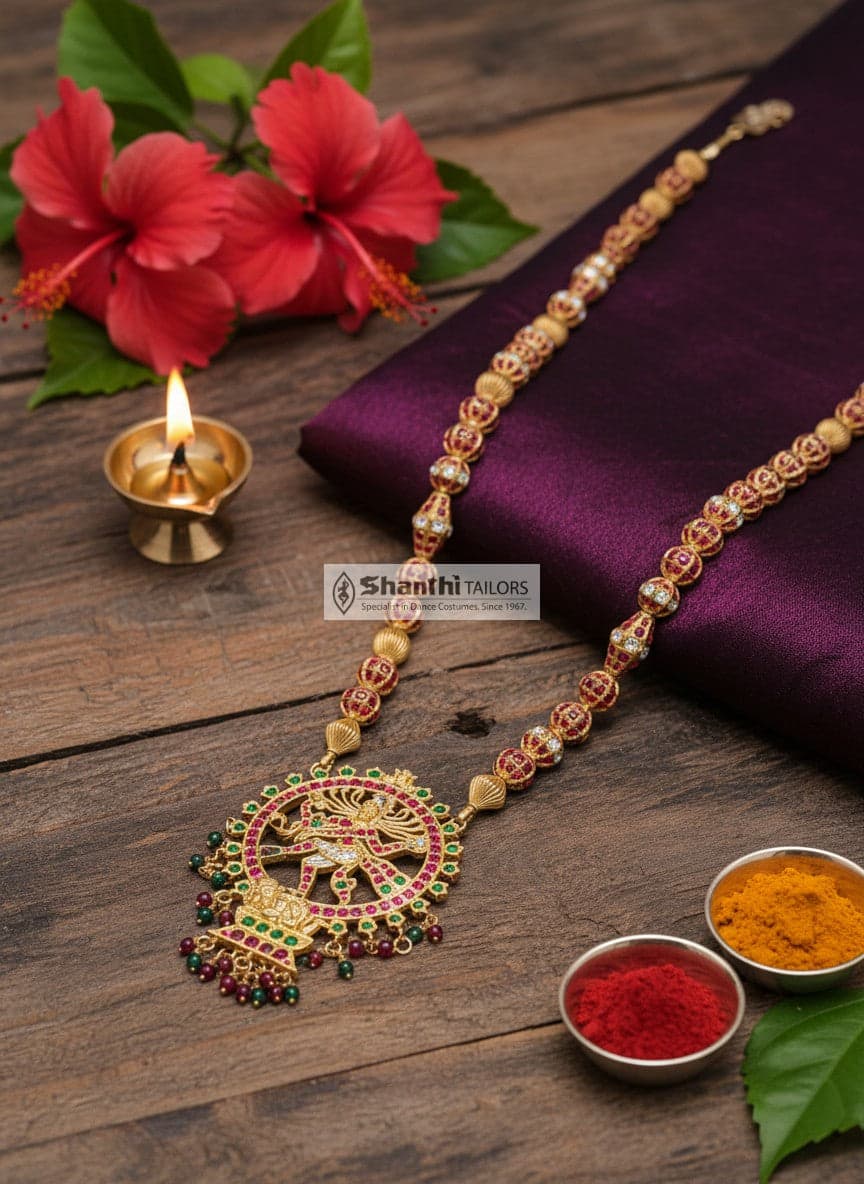
- Haram | Original temple jewellery |Nataraja Balls Malai | Long Haram | TJRS848
- Natrarjar Lotus Haram
- Long Haram Kovai Design
- 5 Stone Haram | Original temple jewellery | Haram | TJSKA1
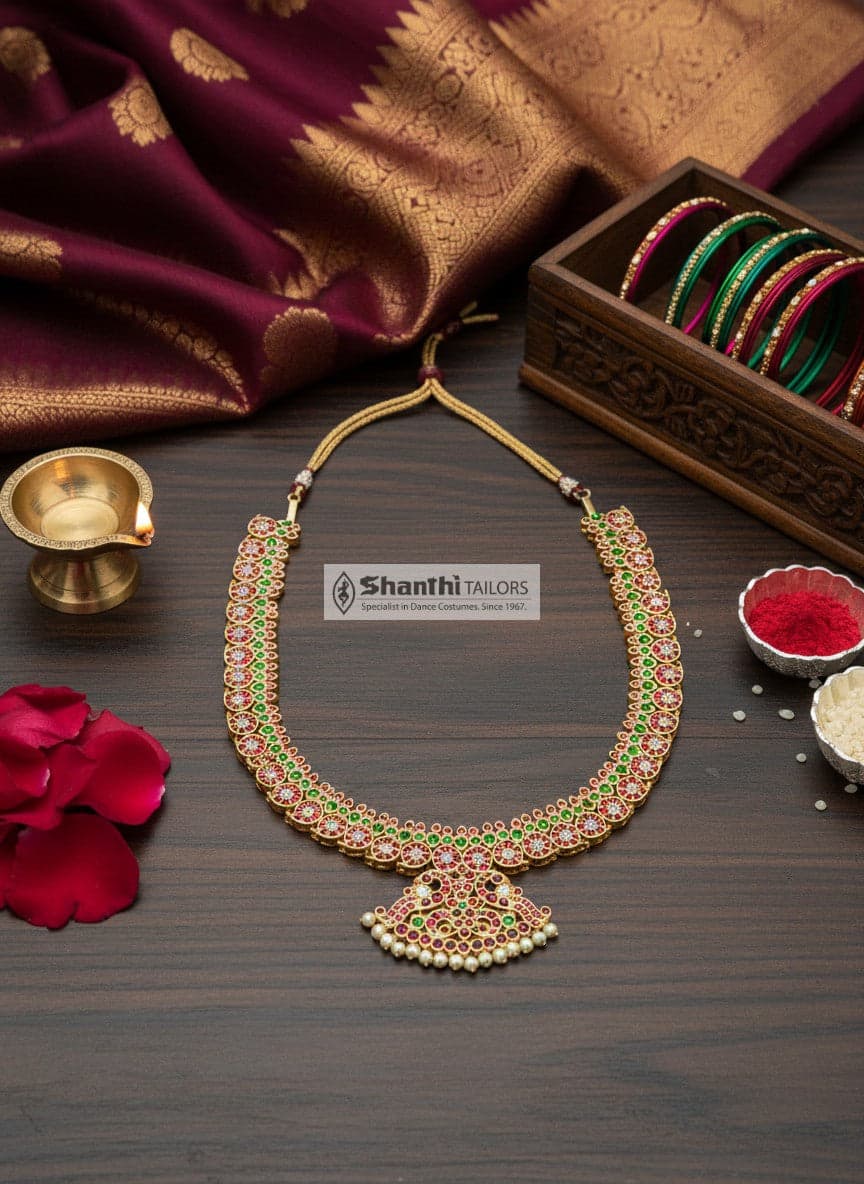
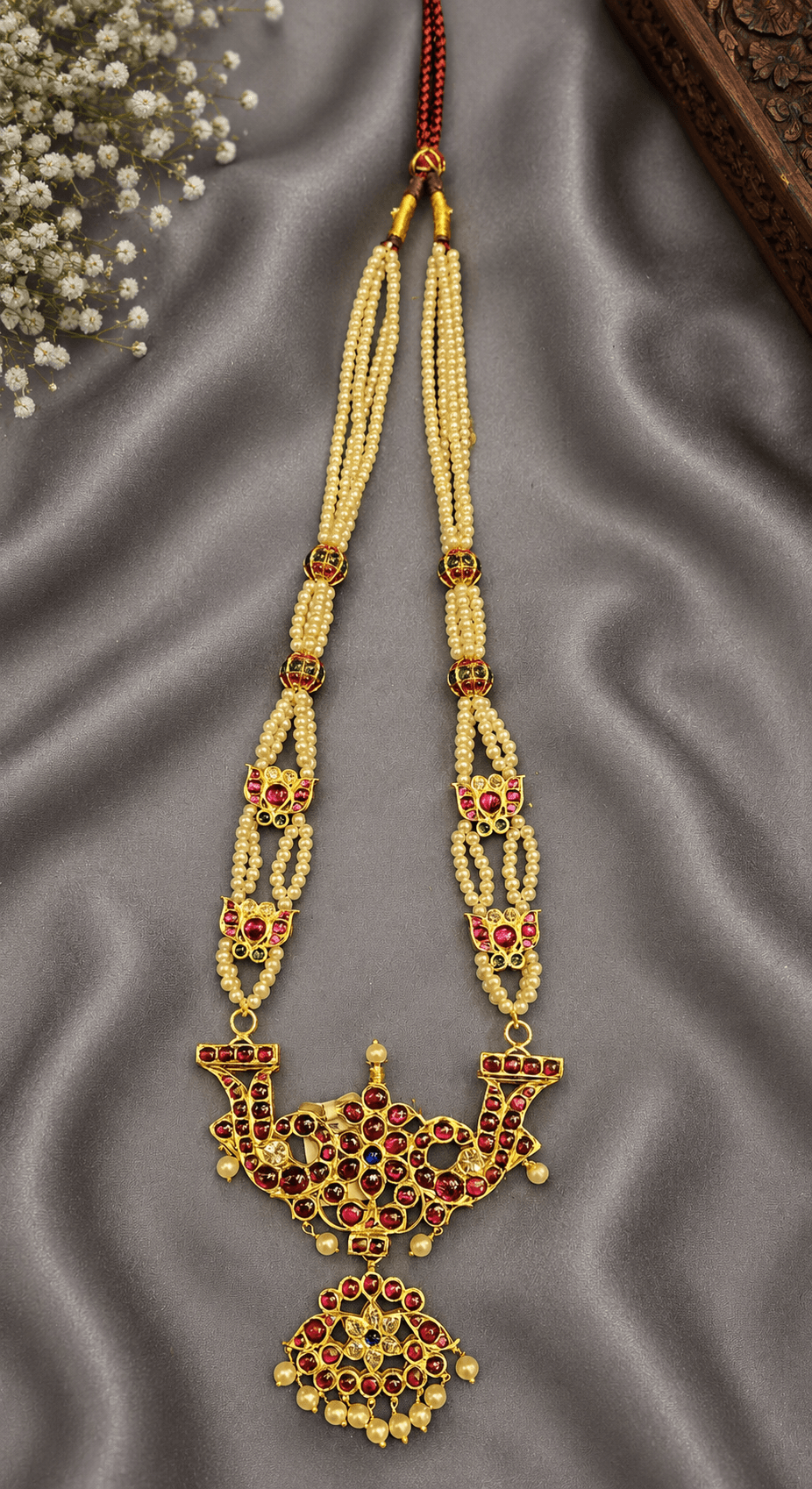
- Big Mahari Haram | Original temple jewellery | Haram | TJSK25
- Magudam Haram | Original Temple Jewellery | Haram
- Pathakam Haram | Original Temple Jewellery | Haram
- Haram | Original temple jewllery | Manga Haram with Big Pendant | Long Haram | TJSS131
- Lakshmi Pendant with V Haram around W Pearls | Haram |Original temple jewllery | Long Haram | TJSKN4, TJAN008
- Natrajar Flower Haram | Haram | Original temple jewllery | Long Haram | TJSKN5
- Haram | Original temple jewllery | Mahari Muthu Malai | Long Haram | TJSS110
- Haram | Original temple jewllery | Big Lakshmi Mahari Magudam Malai | Long Haram | TJAY166
- Muthu Malai W Pendant | Haram | Original temple jewllery | Long Haram | TJSKN2
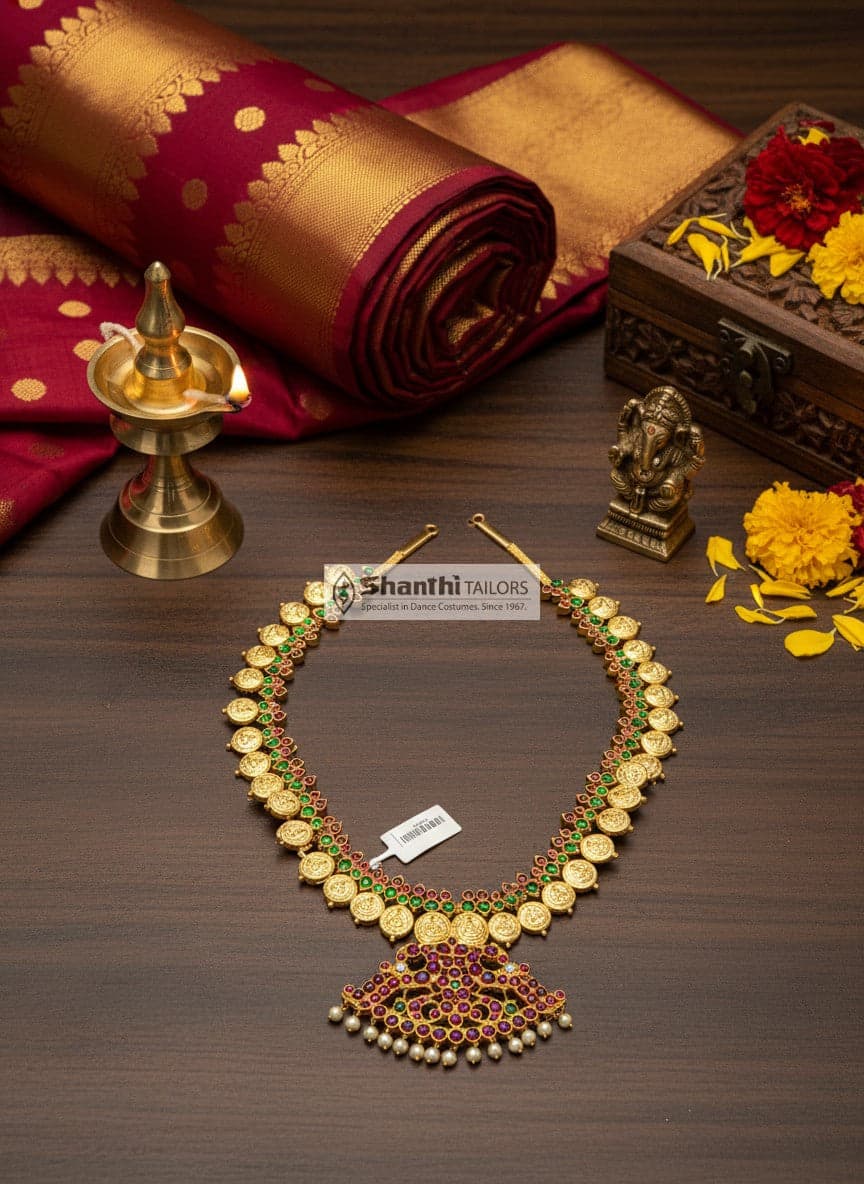
- Haram | Kasu Mallai | Original temple jewllery | Long Haram | TJSKN1
- Haram | Natraj Manga Haram | Original temple jewllery | Long Haram | TJRS554
- Haram | Original temple jewllery | Pathakam Muthu Malai | Long Haram | TJRS129
- Mango Haram With Natarajar | Original Temple Jewllery | Ruby colour special haram
- Mayuran Mahari Haram | original Temple Jewellery