General
Exploring the Full Margam: The Heart of Bharatanatyam Performance
Exploring the Full Margam: The Heart of Bharatanatyam Performance Bharatanatyam, one of India's oldest classical dance forms, is a mesmerising blend of rhy
Shanthi Tailors Editorial19 July 20268 min read
🎧 Listen to this article
Exploring the Full Margam: The Heart of Bharatanatyam Performance
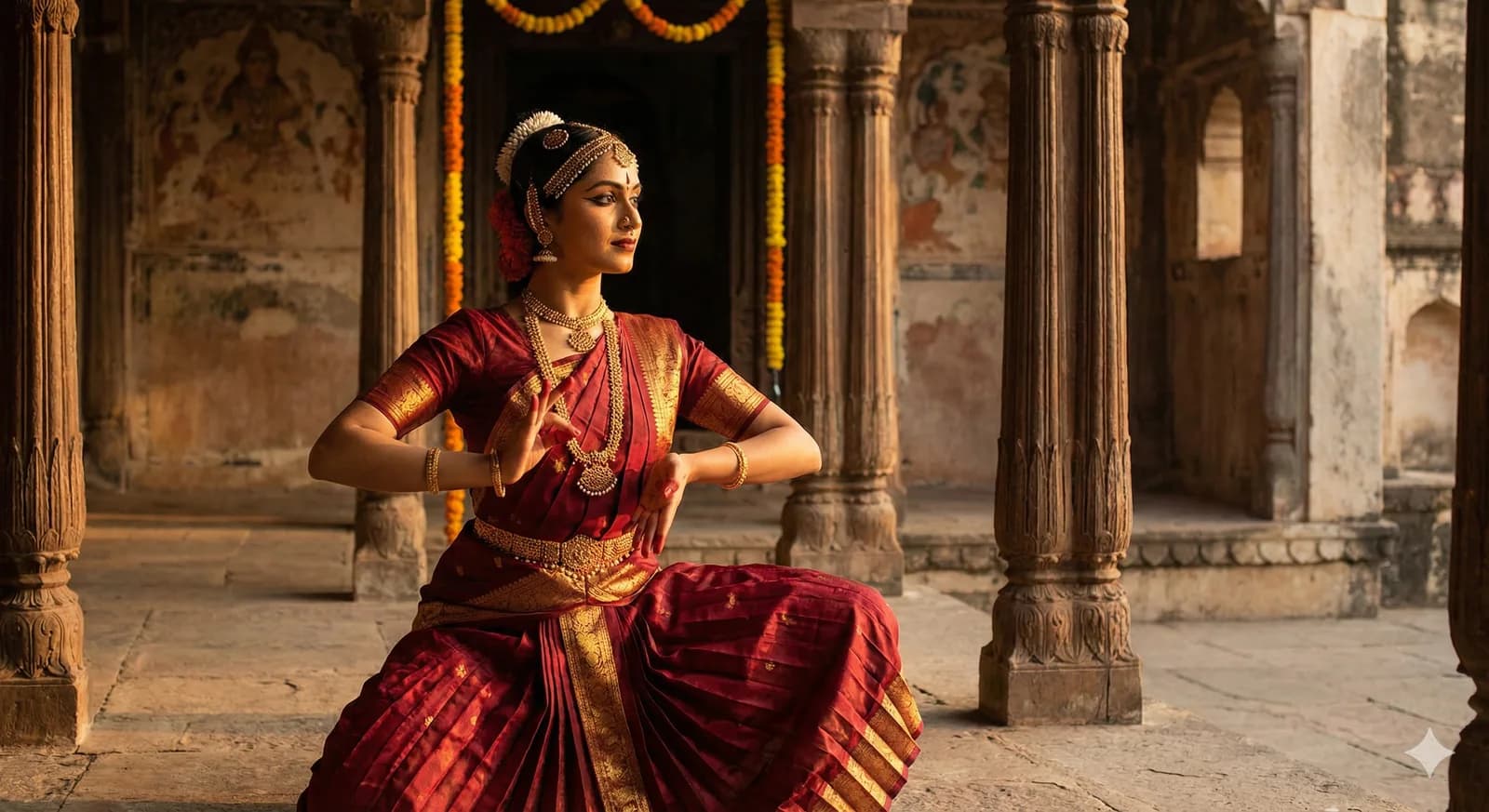
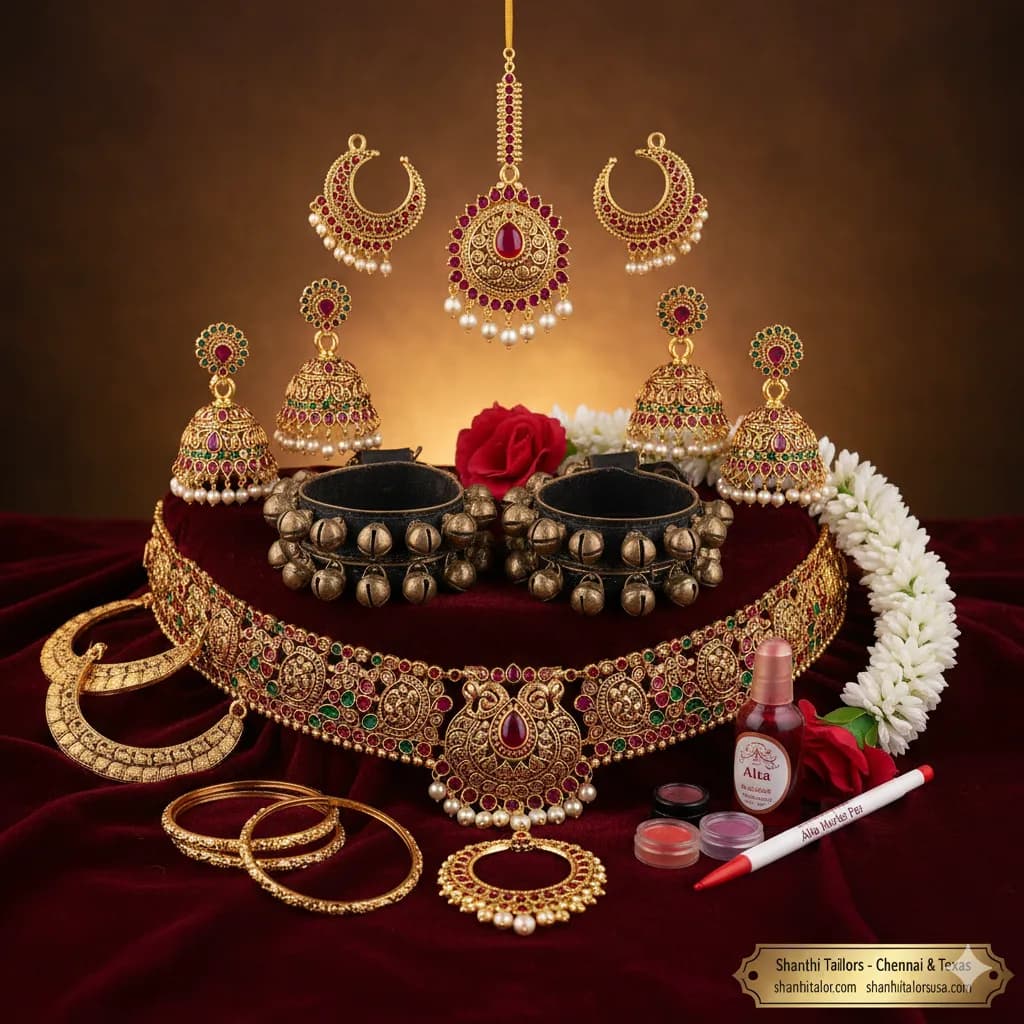
Bharatanatyam, one of India's oldest classical dance forms, is a mesmerising blend of rhythm, expression, and storytelling rooted in ancient Tamil traditions and Hindu devotion. At the core of a traditional Bharatanatyam recital lies the Margam, a Sanskrit word meaning "path" or "journey." This structured sequence of dance items represents a spiritual voyage—from awakening the body and mind to achieving union with the divine. Often described as a reflective path for the soul (jeevatman) to connect with the ultimate (paramatman), the Margam is the framework for performances like Arangetrams (debut solos) and professional concerts. A complete Margam typically consists of 7-8 pieces, each building on the last to create a balanced progression of pure dance (nritta), expressive dance (nritya), and drama (natya).In this detailed blog, we'll break down the full Margam, exploring each item's purpose, structure, musical elements, and significance. We'll also include specific costume and jewelry recommendations tailored to each piece, with direct links to high-quality options from Shanthi Tailors, experts in authentic Bharatanatyam attire since 1967. Whether you're a dancer, enthusiast, or newcomer, understanding the Margam deepens appreciation for Bharatanatyam's elegance.
1. Alarippu: The Awakening InvocationThe Margam begins with Alarippu (meaning "flowering" or "blossoming"), a short, invigorating piece that serves as an invocation to the gods, guru, and audience. It's essentially a warm-up, awakening the dancer's body like a flower blooming petal by petal.
- Structure and Components: Pure nritta (rhythmic dance) without lyrics or melody. It starts with eye and neck movements, progressing to arms, shoulders, and full-body adavus (basic steps) in ardhamandali (half-squat) posture. Performed in a single tala (rhythm cycle) like Chatusra (4 beats) or Tisra (3 beats), it lasts 3-5 minutes.
- Musical Elements: No sahitya (lyrics); only rhythmic syllables (sollukattu) recited by the nattuvanar (conductor). Common in ragas like Nattai or simple misra chapu tala.
- Significance: Symbolizes offering oneself to the divine, purifying the stage and dancer. It's a test of precision and symmetry.
2. Jathiswaram: The Rhythmic SymphonyFollowing the invocation, Jathiswaram (from "jathi" meaning rhythmic patterns and "swaram" meaning musical notes) introduces intricate footwork set to melody, without expressive elements.
- Structure and Components: Entirely nritta, featuring a series of korvais (rhythmic sequences) interspersed with swaras (notes). It includes pallavi (refrain), anupallavi (secondary refrain), and charanas (verses), with jathis building in complexity. Duration: 5-8 minutes.
- Musical Elements: Set in ragas like Kalyani or Vasantha, and talas like Adi (8 beats). No lyrics—just pure swara patterns danced with adavus, teermanams (concluding rhythms), and varied speeds.
- Significance: Showcases technical prowess, stamina, and laya (rhythmic flow). It represents the dancer's journey into structured rhythm, preparing for deeper expression.
3. Shabdam: Introducing ExpressionShabdam (from "shabda" meaning word) marks the entry of nritya, blending rhythm with simple abhinaya (expression) through lyrics.
- Structure and Components: Combines nritta sequences with interpretive dance. It starts with a jathi, followed by sahitya interpreted via hastas (hand gestures) and facial expressions. Often depicts devotion to deities like Krishna. Lasts 5-7 minutes.
- Musical Elements: Lyrics in Telugu or Tamil, set in ragas like Madhyamavati or Mohanam, and talas like Misra Chapu (7 beats). Includes mime-like storytelling.
- Significance: Bridges pure dance to narrative, introducing bhakti (devotion) themes. It's a gentle foray into emotion, evolving from Jathiswaram's abstraction.
4. Varnam: The Grand CenterpieceThe Varnam (meaning "color" or "description") is the Margam's pinnacle, a 30-60 minute marathon testing endurance and artistry.
- Structure and Components: Divided into purvanga (pallavi, anupallavi, muktayi swara) and uttaranga (charanam, chittaswaras). Alternates nritta (jathis in trikala—three speeds) with nritya (abhinaya on sahitya, portraying sringara or bhakti rasa).
- Musical Elements: Complex ragas like Shankarabharanam or Todi, talas like Adi. Lyrics often depict a nayika's (heroine's) longing for the nayaka (deity).
- Significance: Represents the soul's intense quest for divine union, showcasing full-spectrum skills. It's the most demanding, often abbreviated in modern recitals.
5. Padam or Javali: Deep Emotional DivePost-Varnam, Padam (slow, lyrical) or Javali (faster, playful) pieces focus on abhinaya, exploring human emotions.
- Structure and Components: Primarily nritya with minimal nritta. Sahitya is interpreted through sanchari bhavas (transitory emotions), using eyes, face, and subtle gestures. Duration: 5-10 minutes each.
- Musical Elements: Ragas like Bhairavi (for pathos) or Kapi (romantic), talas like Adi. Themes include love, separation, or devotion.
- Significance: Allows introspection, evoking rasa (aesthetic flavor) in the audience. It humanizes the divine narrative.
6. Thillana: The Energetic ClimaxThillana (from "thillana" meaning sparkle) is a brisk, joyful conclusion with rapid rhythms.
- Structure and Components: Mostly nritta with brief abhinaya. Features jathis, swaras, and a short sahitya verse, ending in dynamic poses.
- Musical Elements: Uplifting ragas like Hindolam or Madhuvanti, talas like Adi. Often includes sollukattu for flair.
- Significance: Celebrates the journey's peak, releasing energy before closure.
7. Mangalam: The Auspicious ClosureThe Margam ends with Mangalam (benediction), a short slokam or verse invoking blessings.
- Structure and Components: Simple nritya or recitation, often with group elements in ensemble performances.
- Musical Elements: In ragas like Madhyamavati, focusing on shanti (peace).
- Significance: Seals the spiritual path, offering gratitude and peace.
Conclusion: Embracing the Margam's Timeless Journey
The full Margam is more than a performance—it's a profound evolution of the self, blending physical mastery with emotional depth. Proper costumes elevate the experience, ensuring comfort, tradition, and visual splendor. Explore the full range at www.shanthitailor.com—they offer global shipping and customization for Arangetrams and recitals.What’s your favorite Margam piece? Share in the comments! For more on Indian classical arts, follow @shanthitailorsindia
ST
Shanthi Tailors Editorial
Shanthi Tailors has crafted classical dance costumes and temple jewellery in Chennai since 1967, dressing dancers for arangetrams and stages worldwide.