Classical Dance Collection
Full Set Jewellery | Bharatnatyam and Kuchipidi
Since 1967
Shop Collections✦✦
Shop Full Set Jewellery | Bharatnatyam and Kuchipidi
✦Showing 58 products
Sort by:
Colour

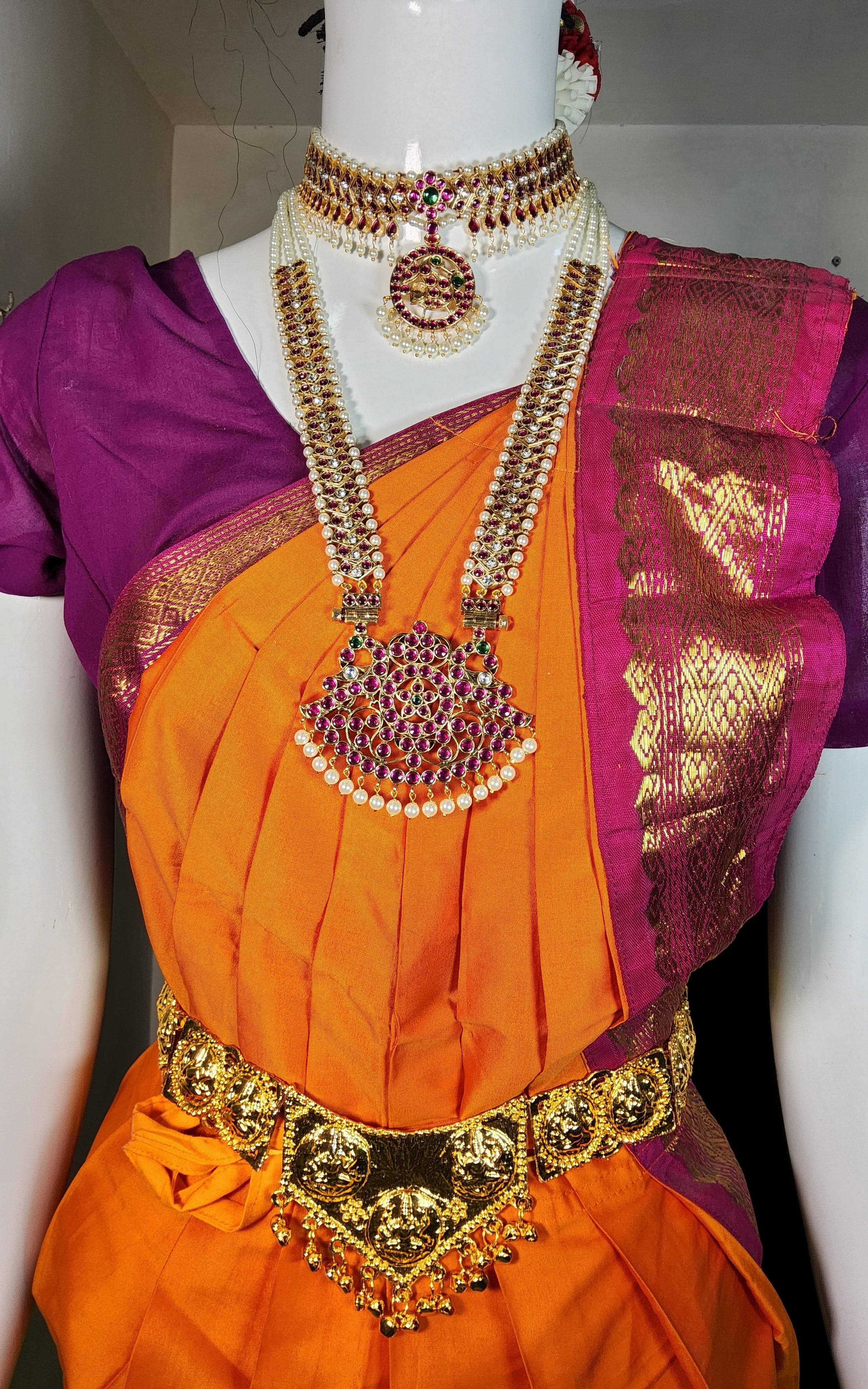
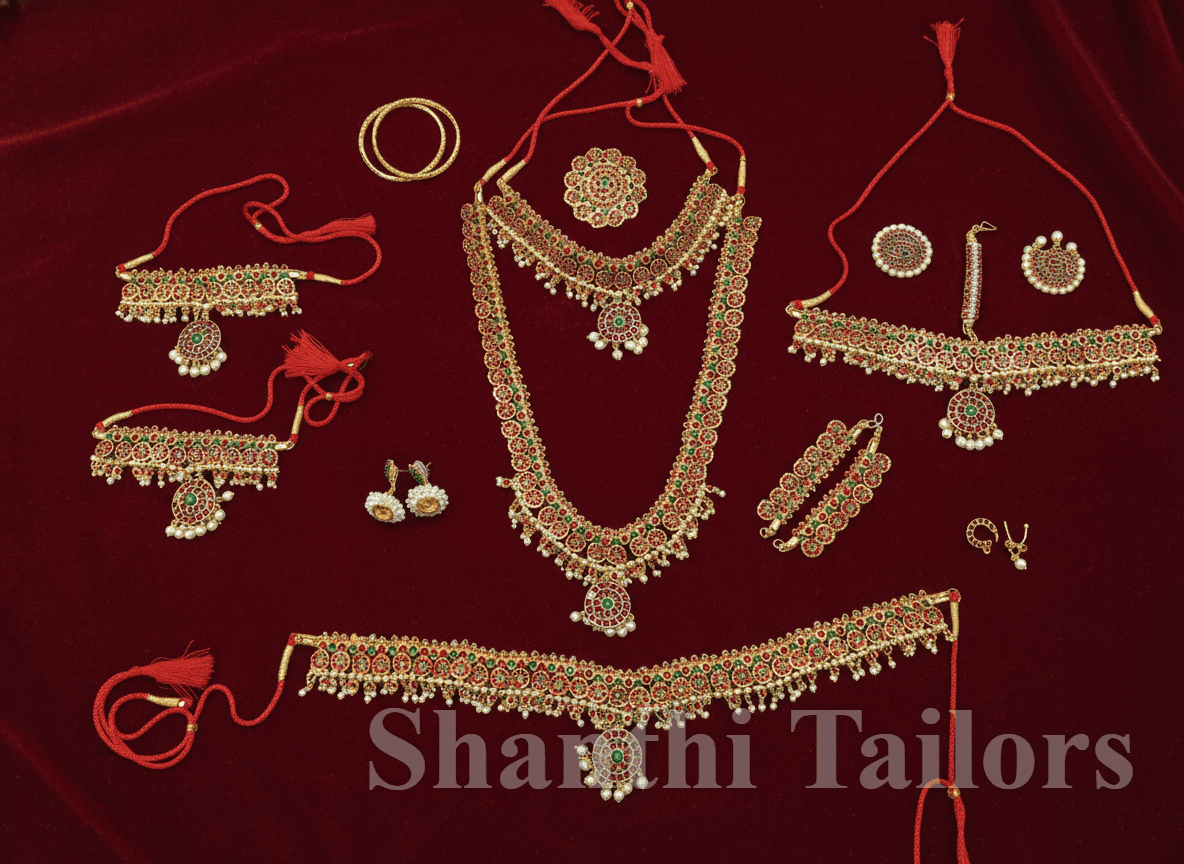
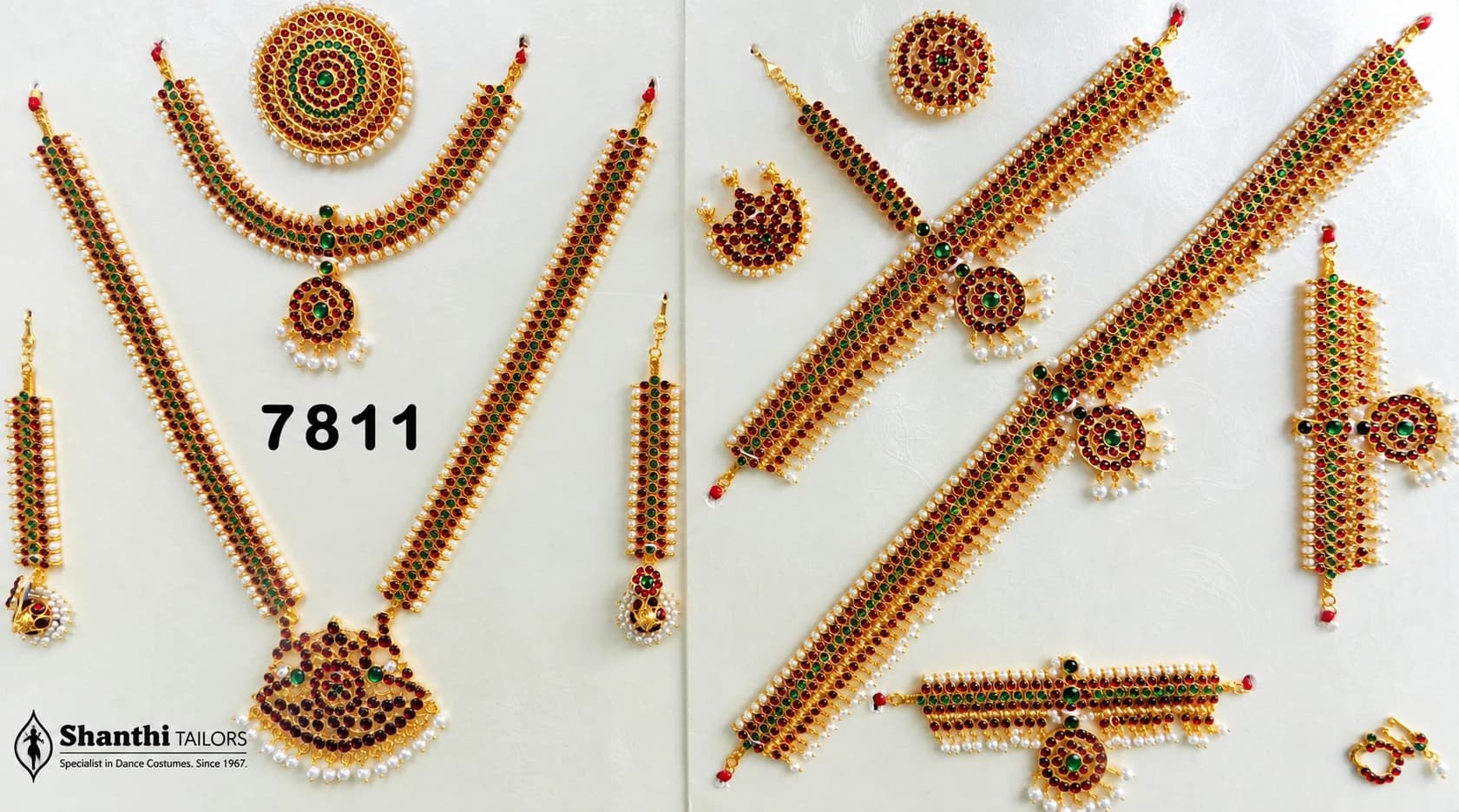
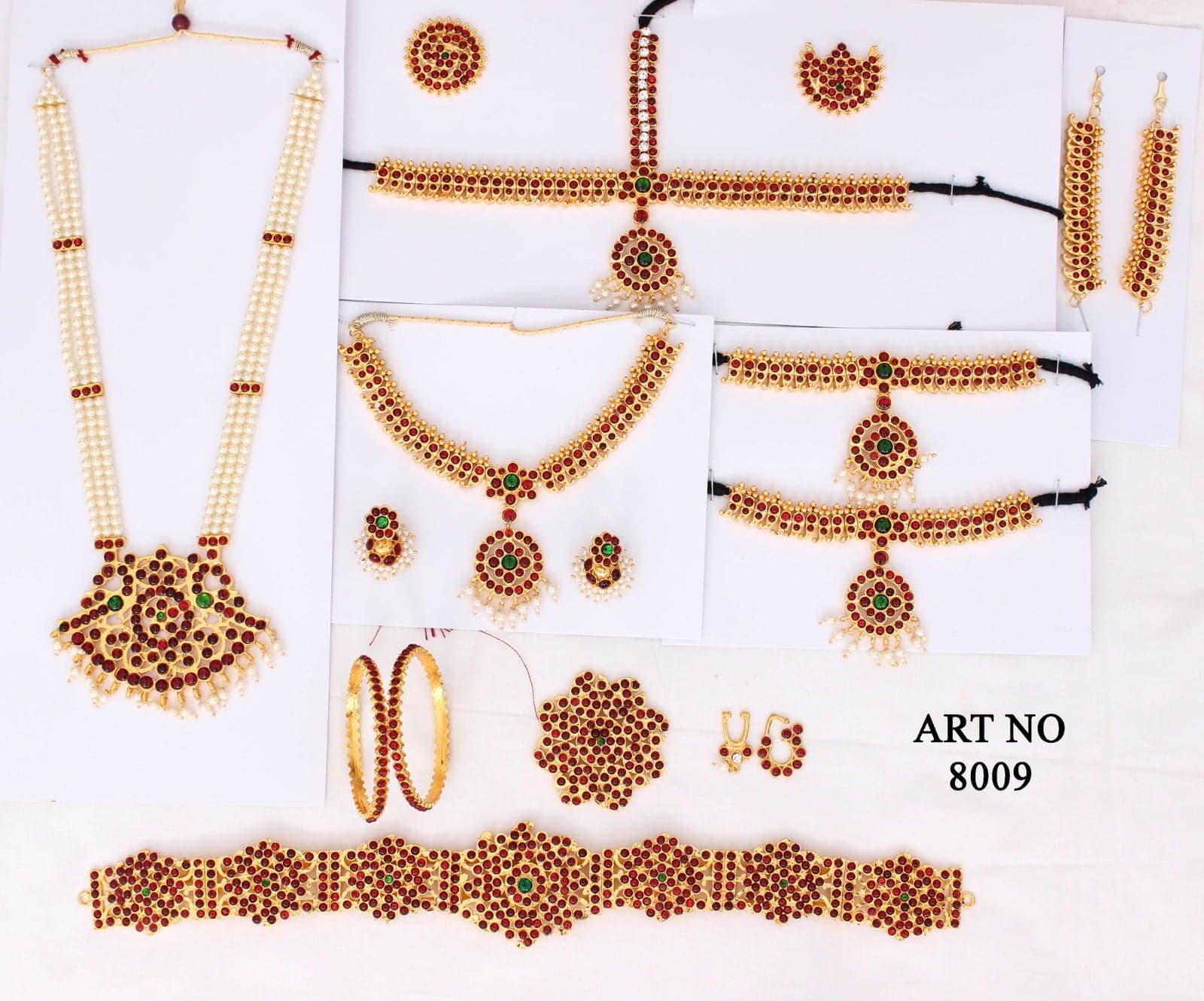

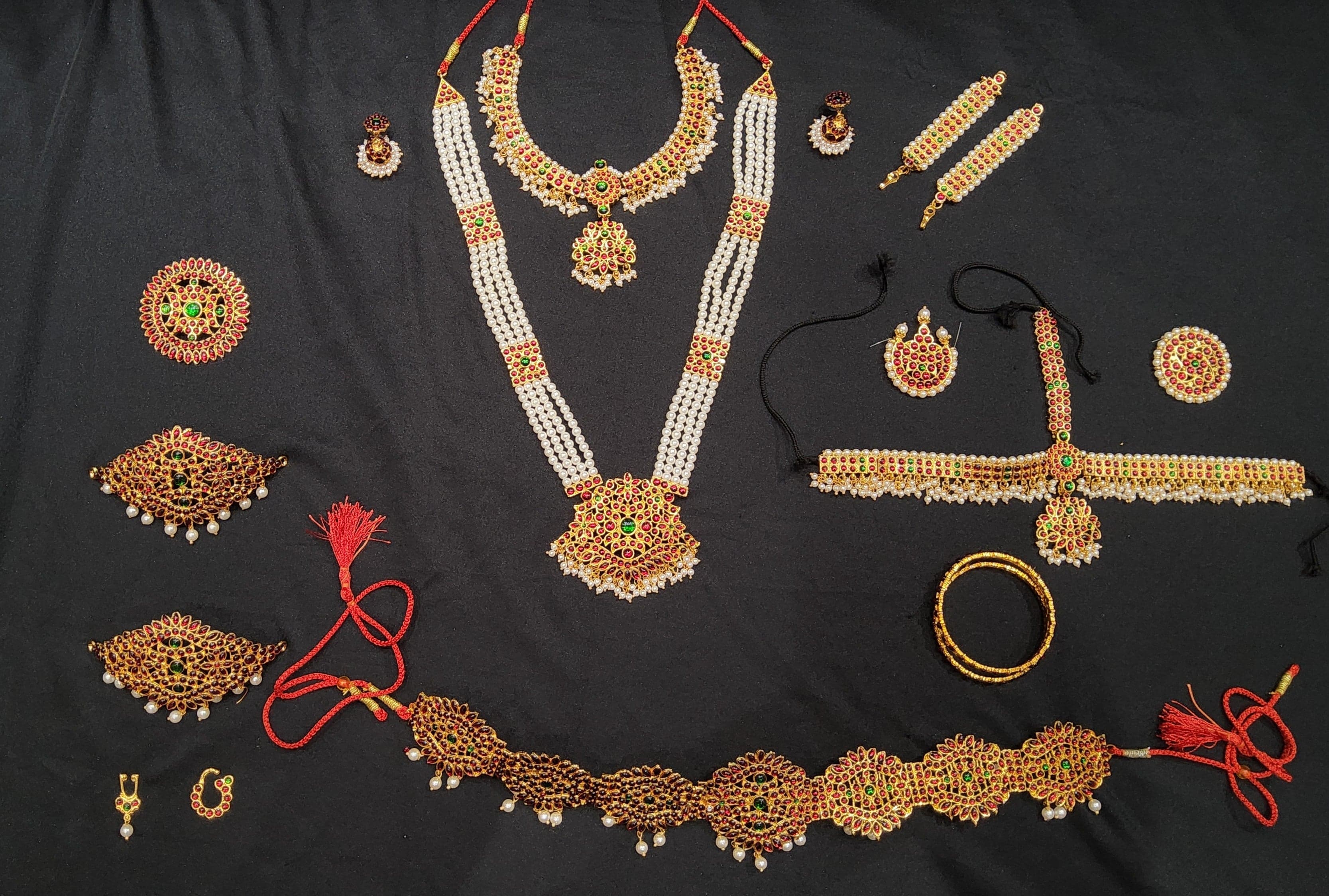
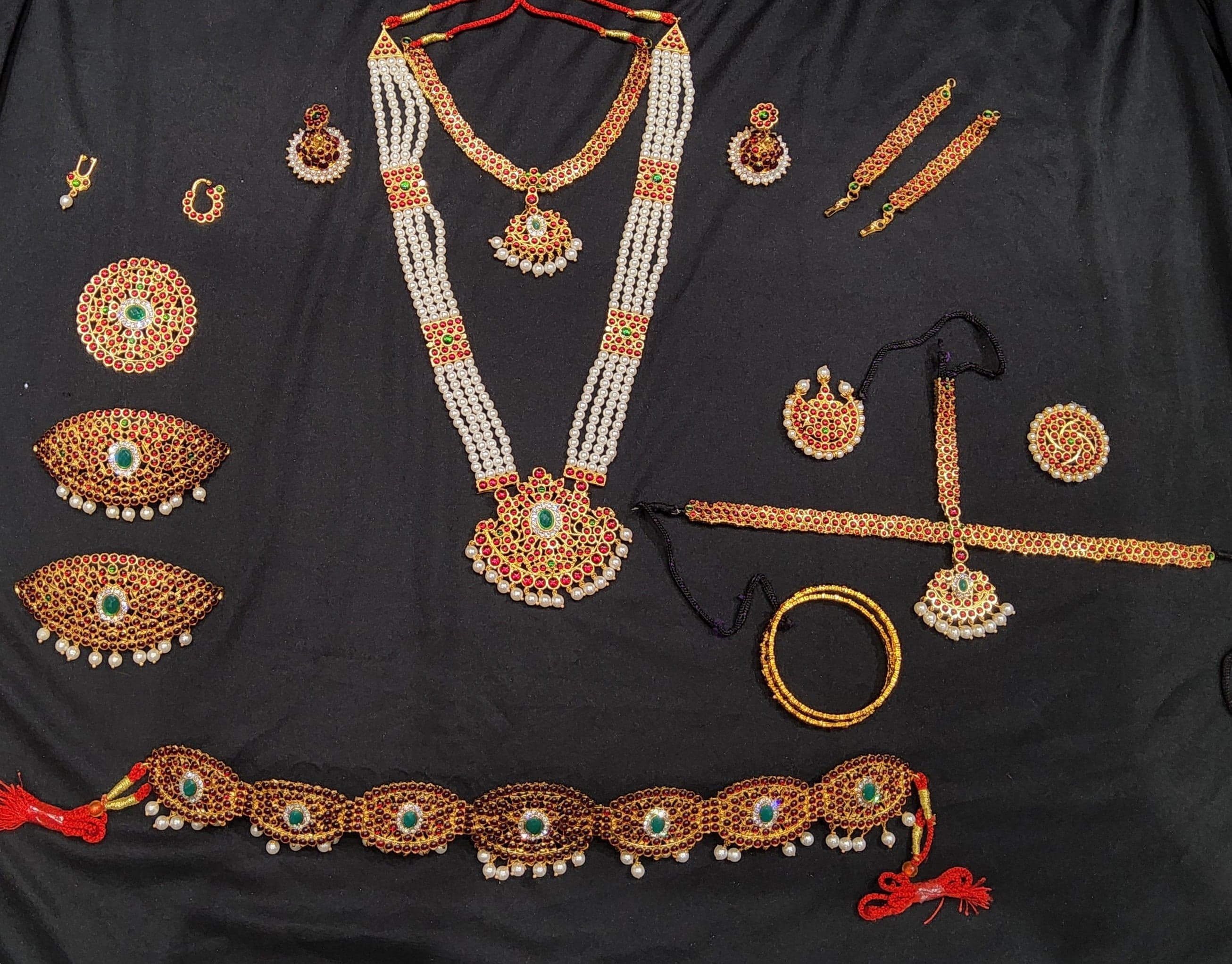
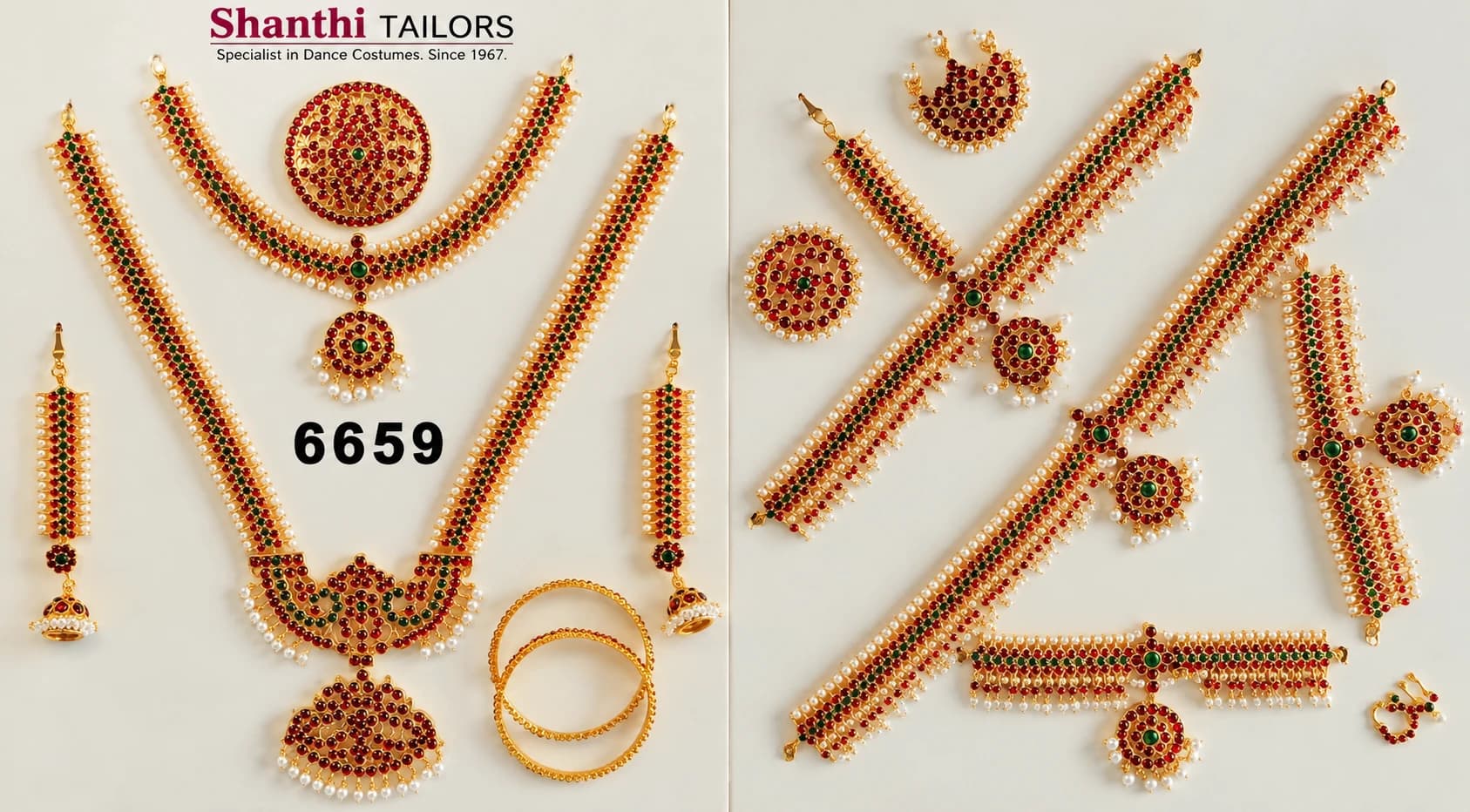
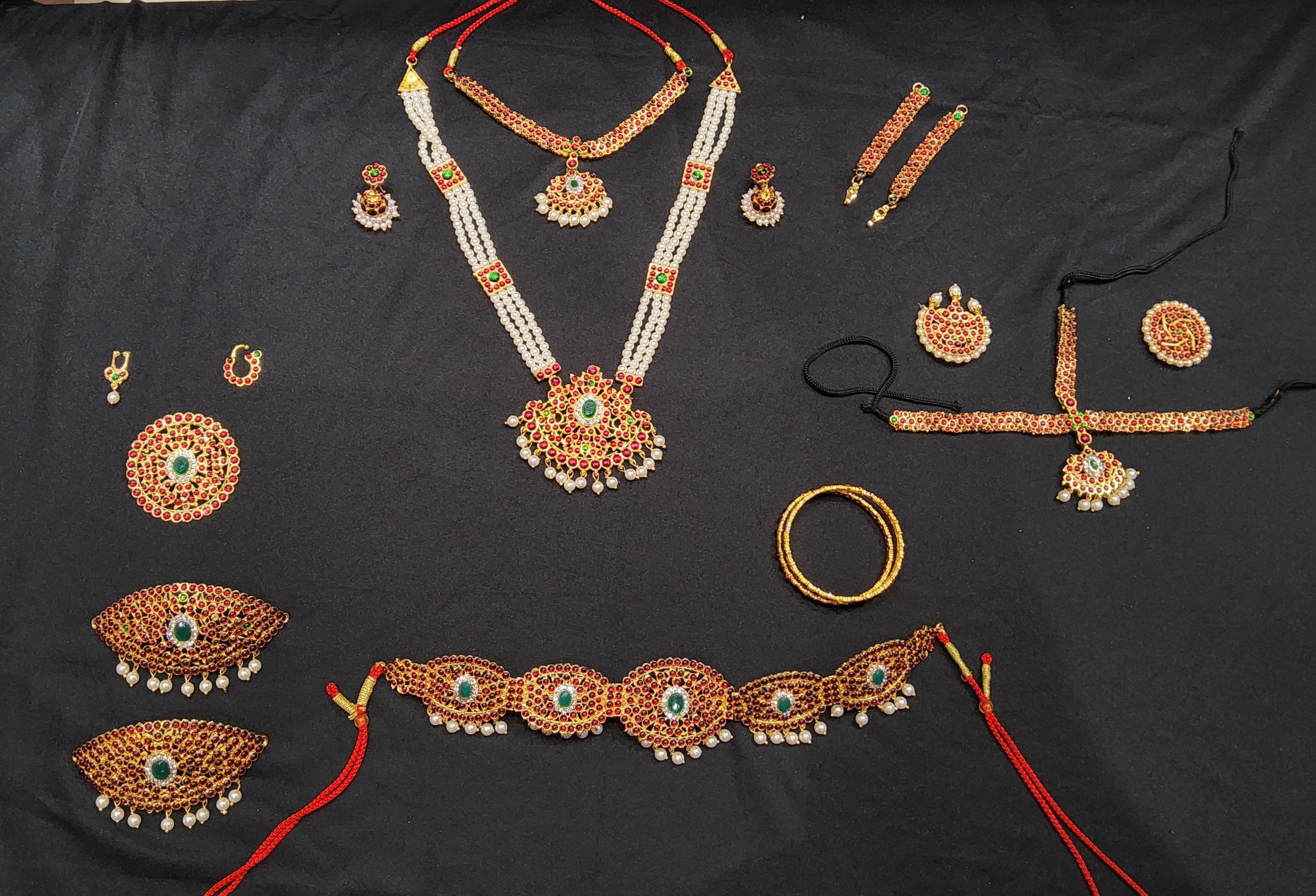
All 58 products in Full Set Jewellery | Bharatnatyam and Kuchipidi
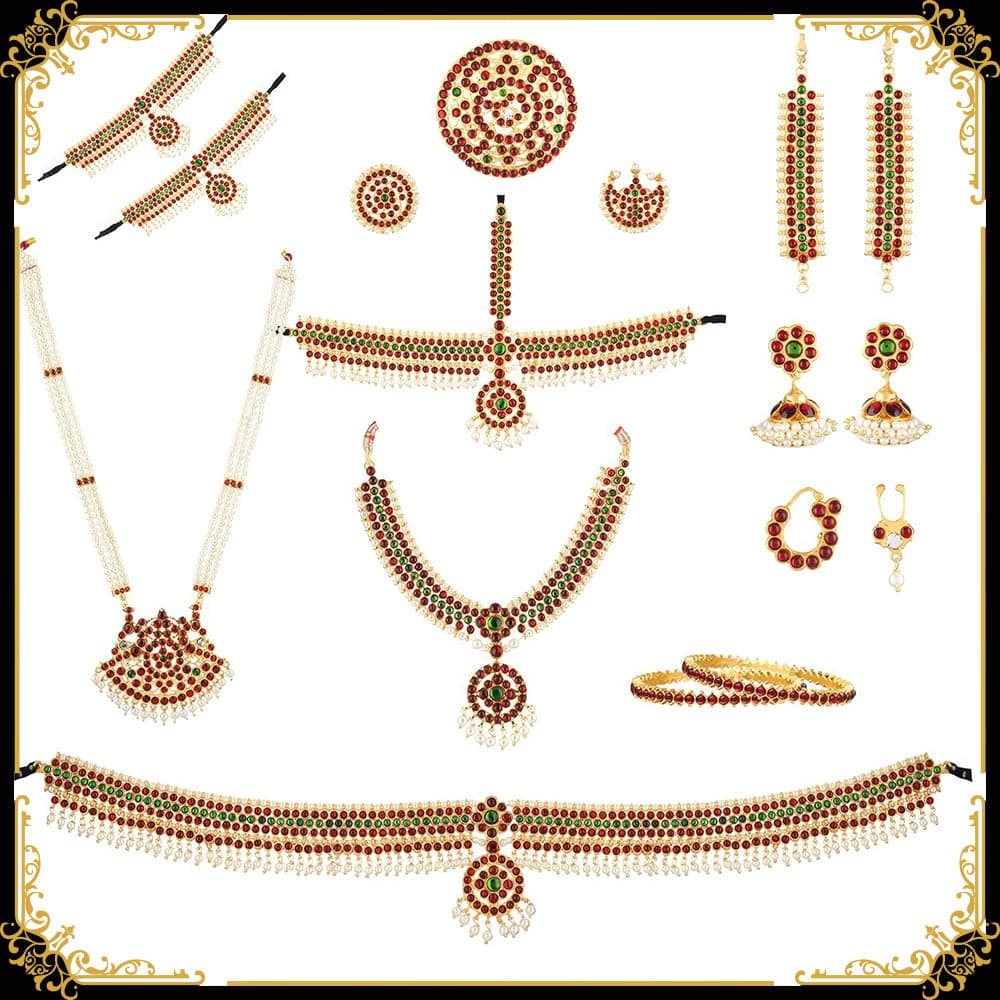
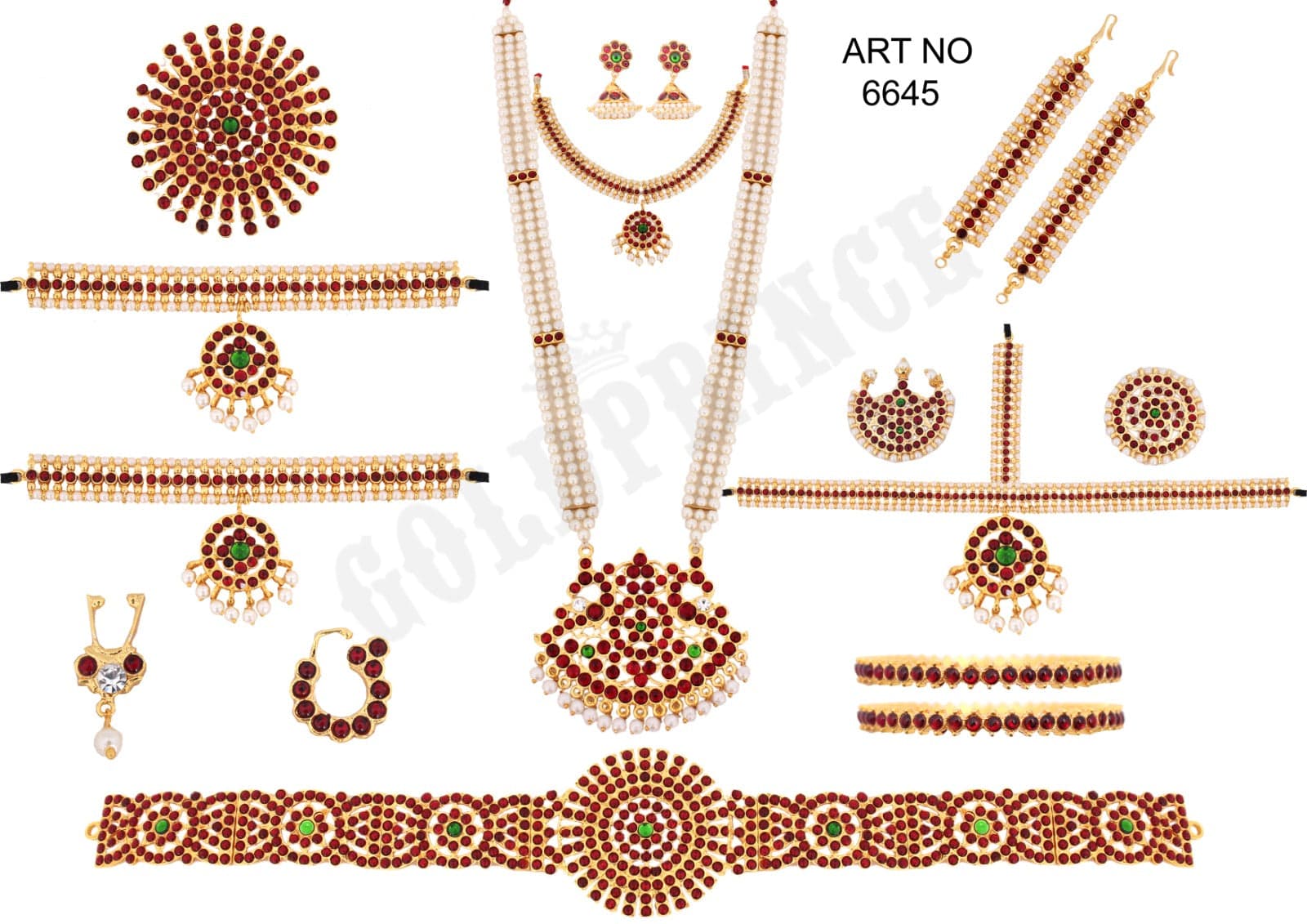
- Thin Full set jewellery | Imitation Dance Jewellery | ART 6645
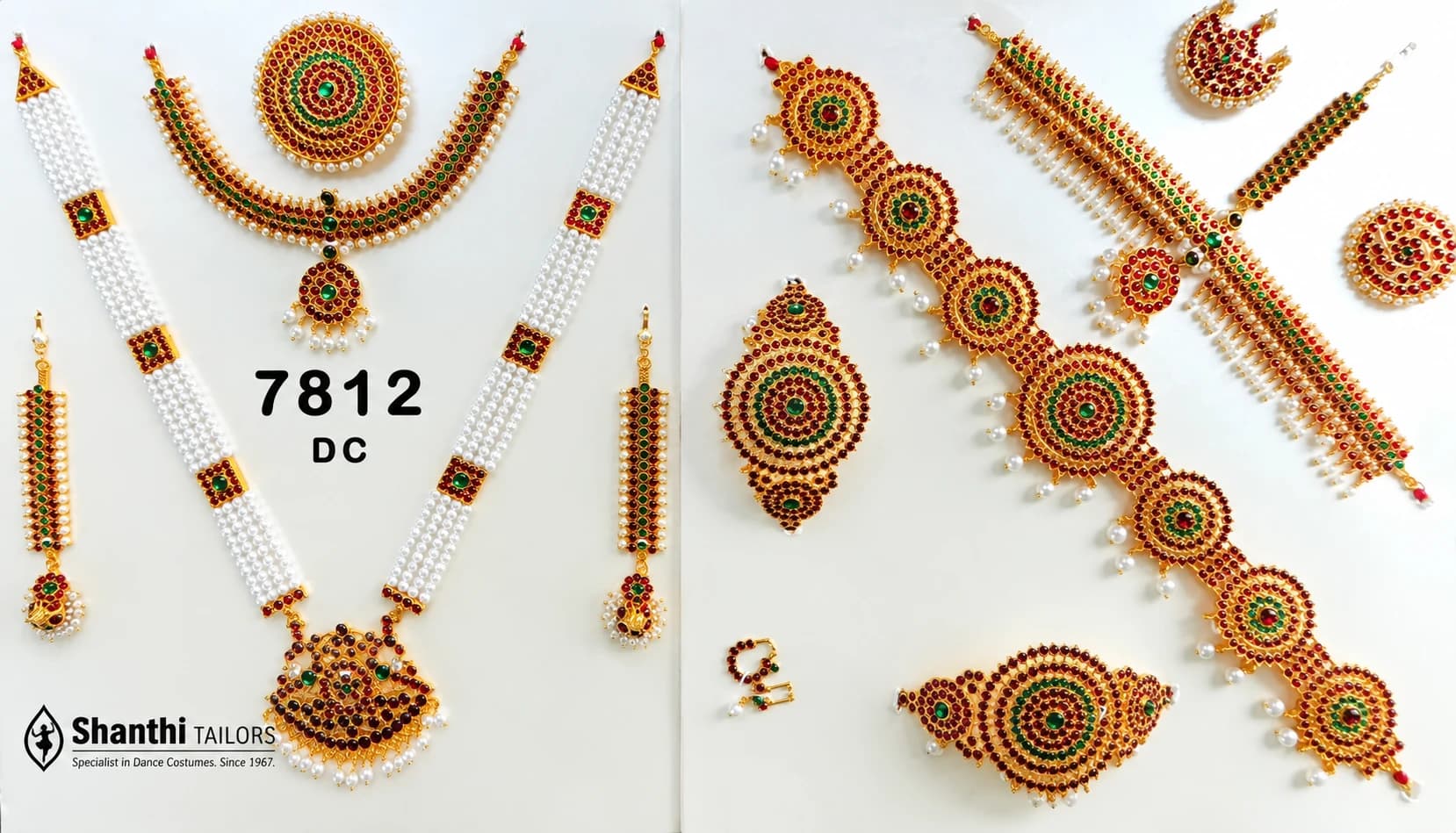
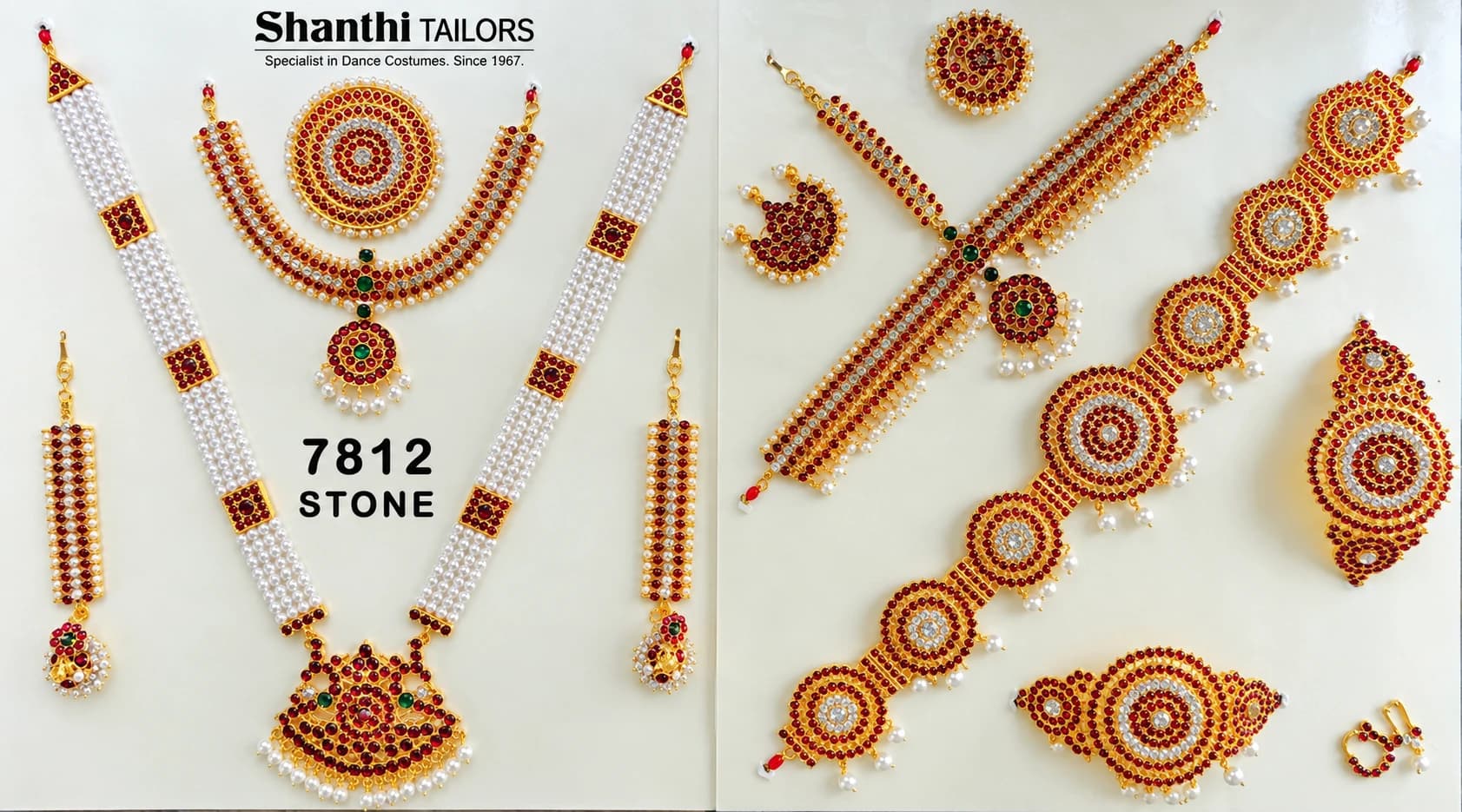
- Soundarya Full set jewellery | Imitation Dance Jewellery | 7812 DC
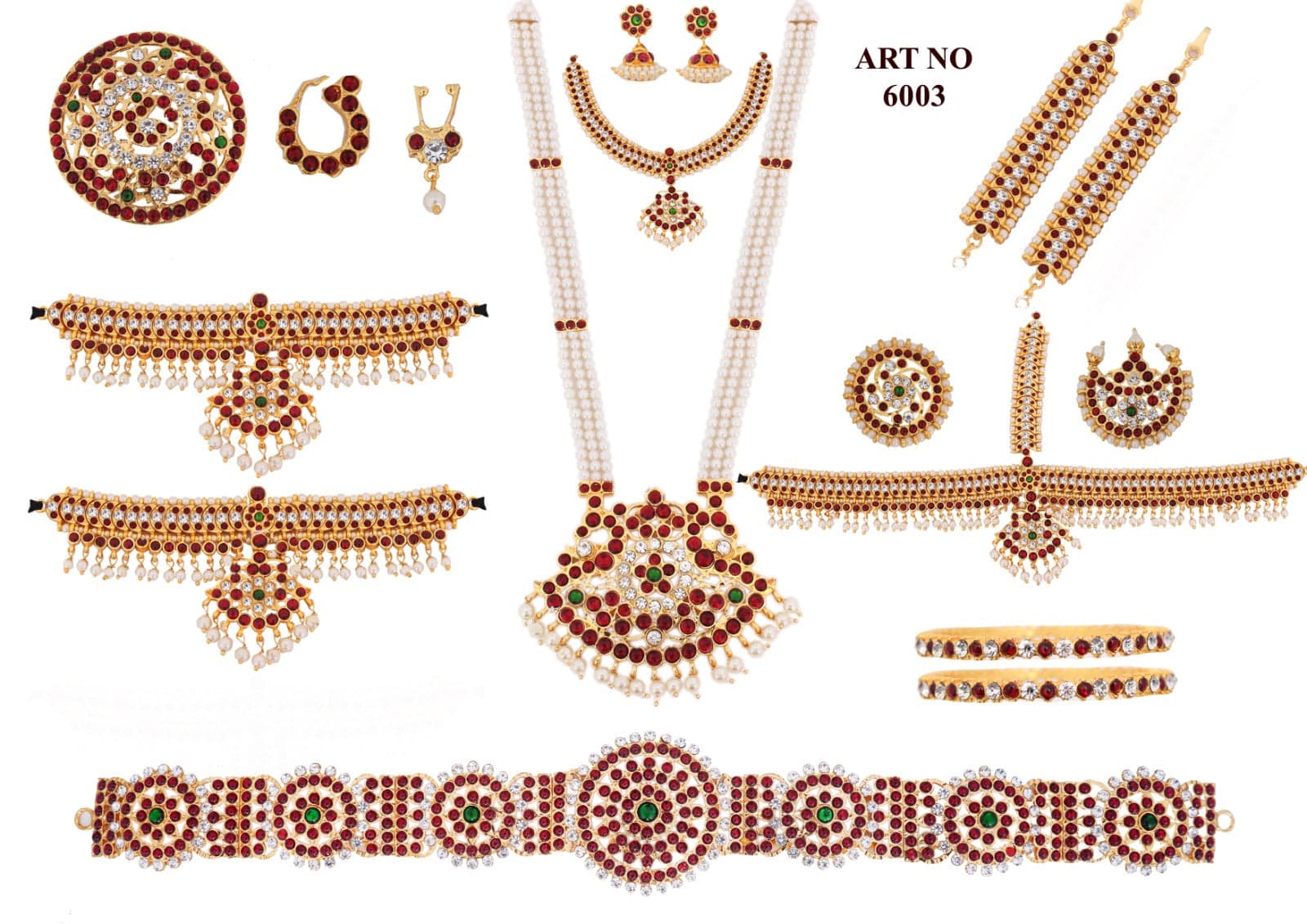
- Imitation Dance Full SET | Imitation | Jewellery Set | 6003
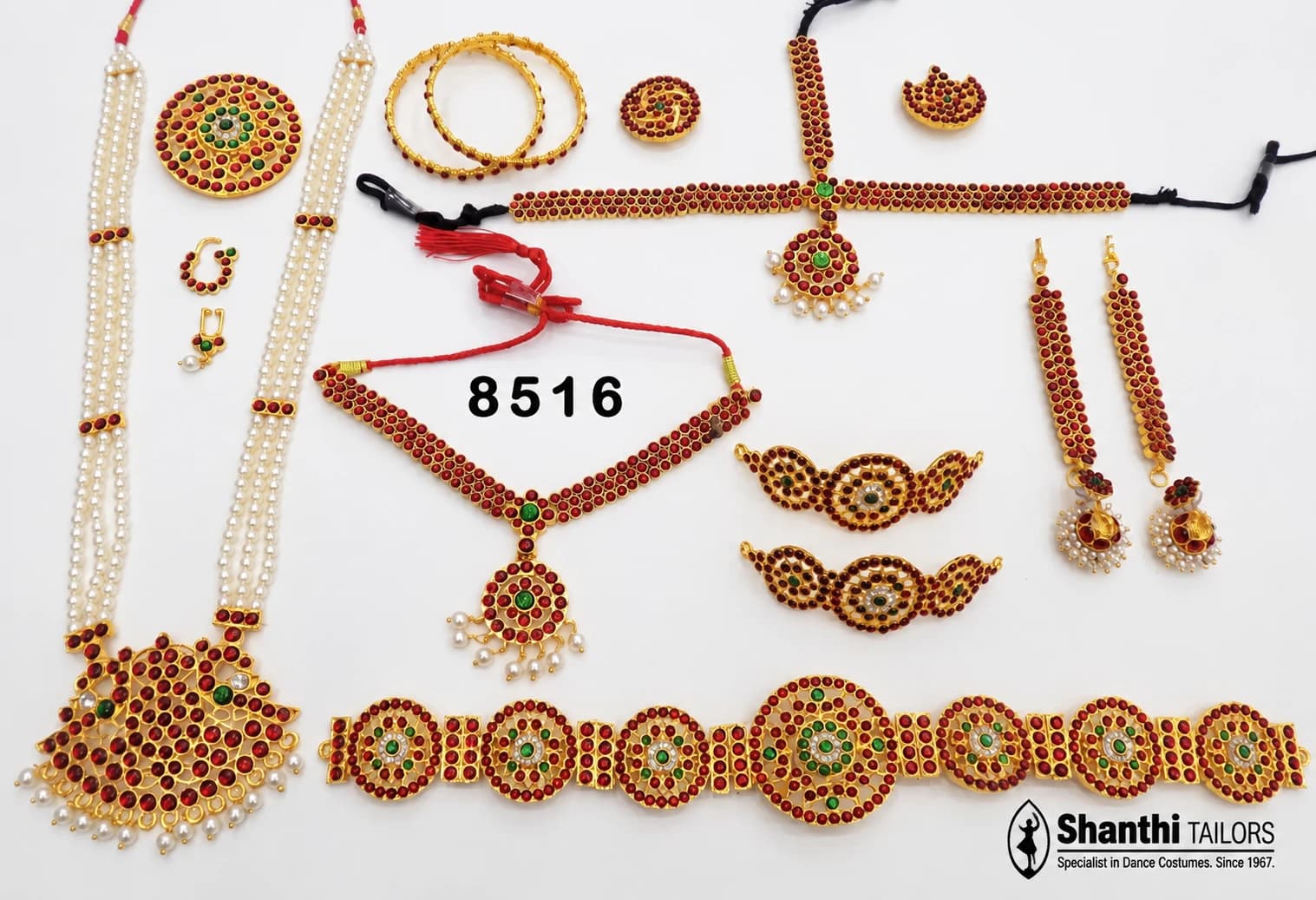
- Kids Imitation Dance Full SET | Imitation | Jewellery Set | 8516
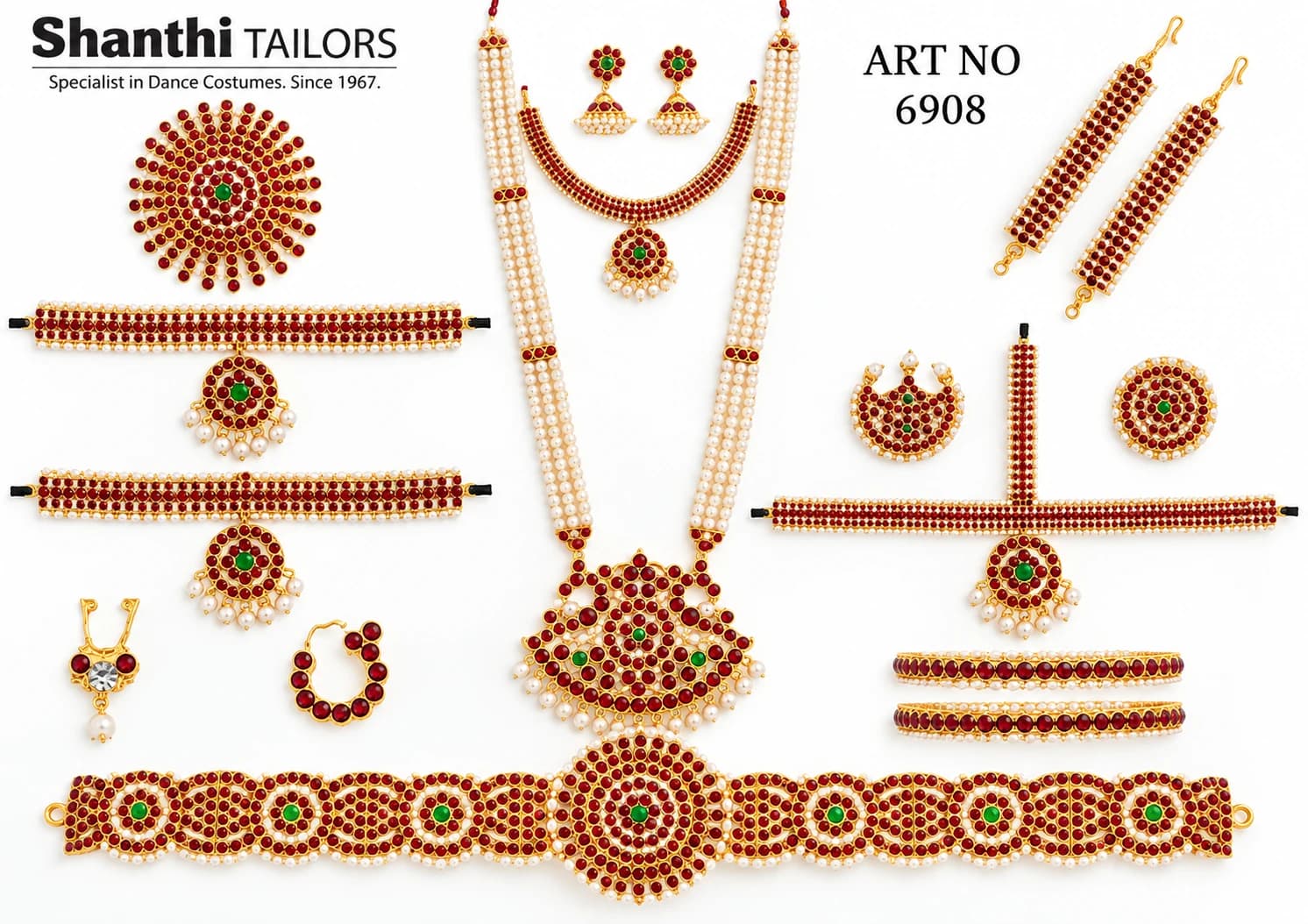
- Imitation Dance Full SET | Imitation | Jewellery Set | 6908
- Vintage Heritage – Black Finish Jewellery Collection
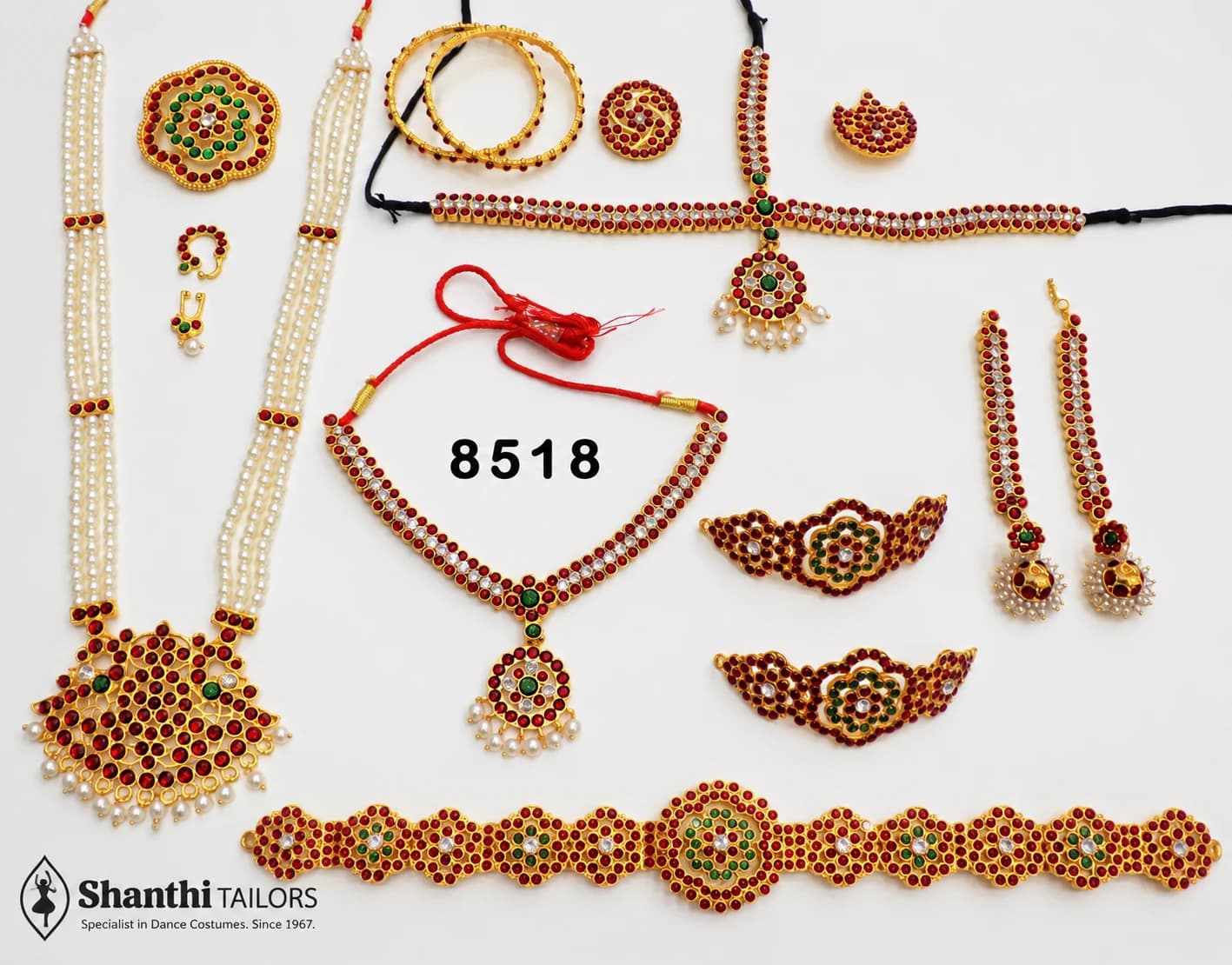
- Kids Imitation Dance Full SET | Imitation | Jewellery Set | 8518
- Nirtyanjali - Copper Bharatnatyam Full Set Jewellery | Temple Jewellery Like
- Imitation Dance Full SET | Imitation | Jewellery Set | 6552
- Soundarya Full set jewellery | Imitation Dance Jewellery | 7811
- Imitation Dance Full SET | Imitation | Jewellery Set | 8009
- Soundarya Full set jewellery | Imitation Dance Jewellery | 7812
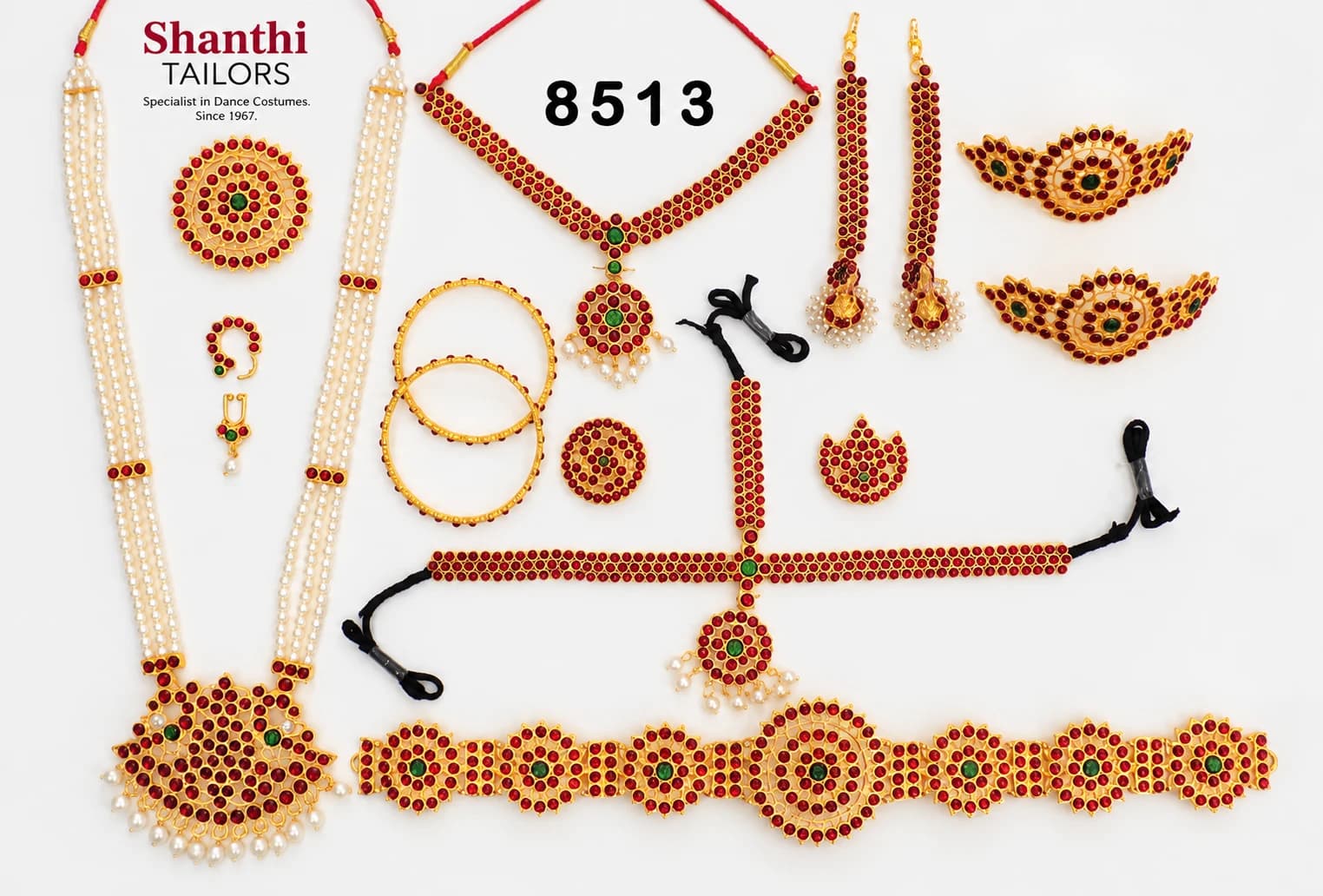
- Kids Imitation Dance Full SET | Imitation | Jewellery Set | 8513
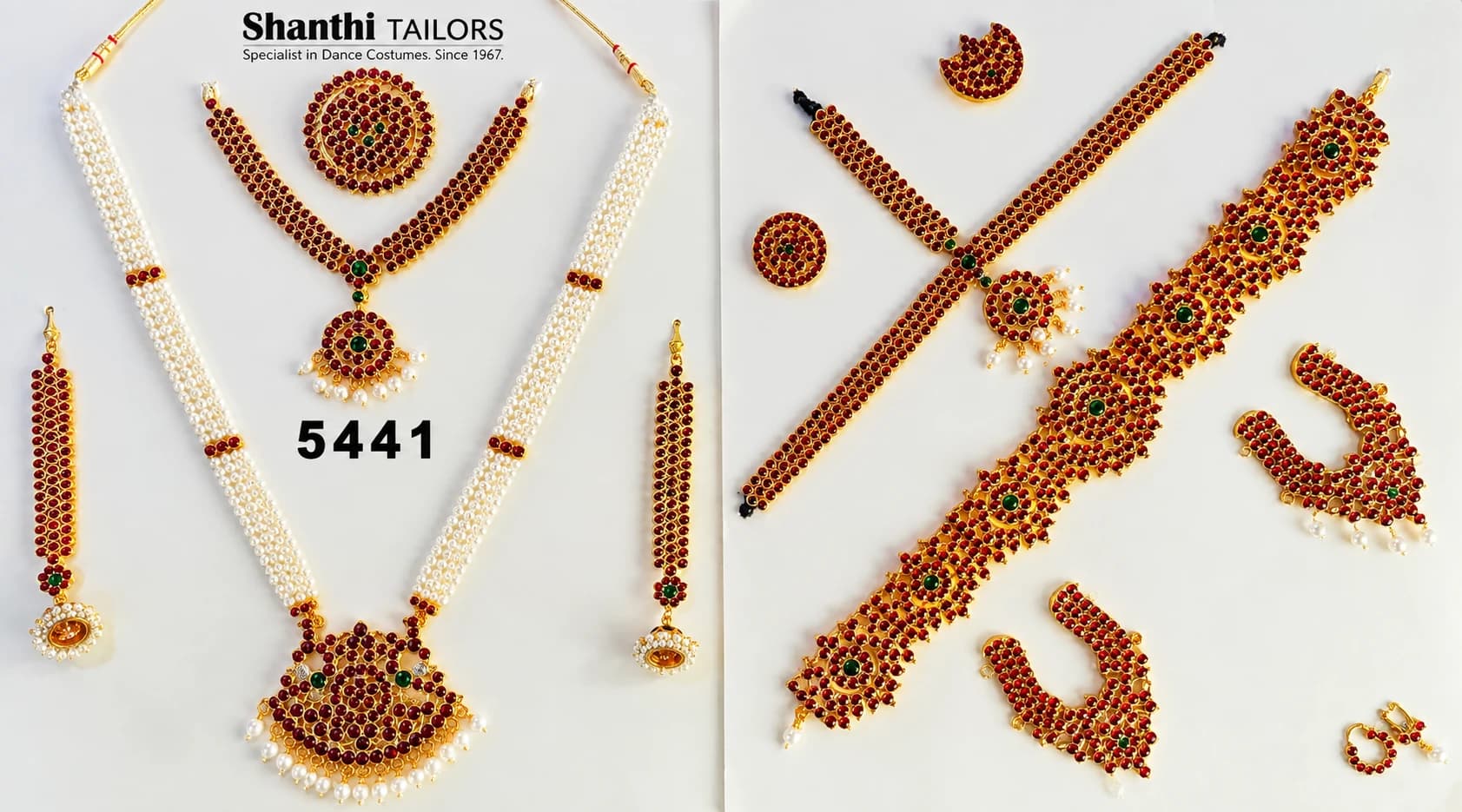
- Kids Imitation Dance Full SET | Imitation | Jewellery Set | 5441
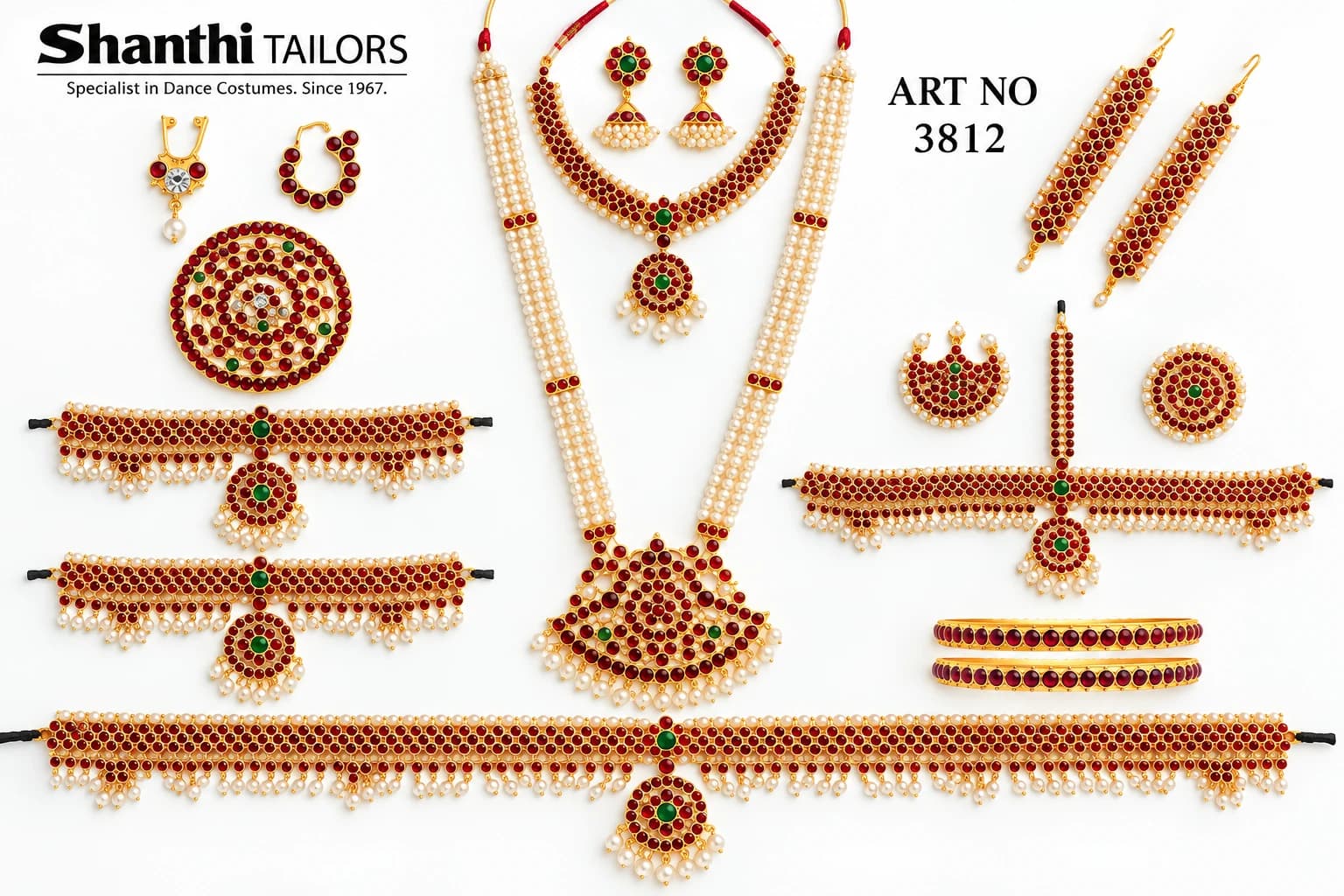
- Imitation Dance Full SET | Imitation | Jewellery Set | 3812
- Imitation Dance Full SET |Jewellery Set | ART 8399
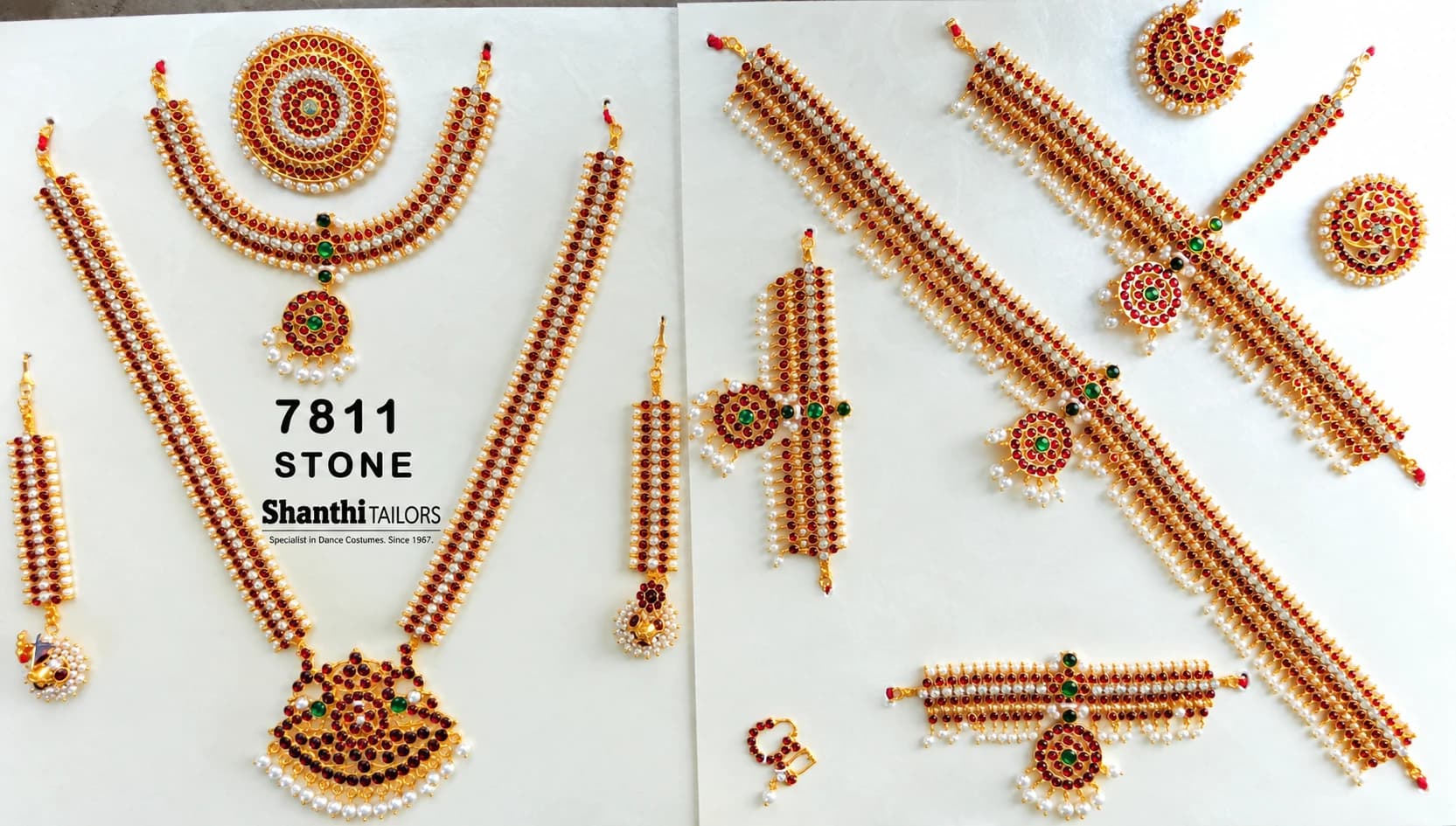
- Soundarya Full set jewellery | Imitation Dance Jewellery | 7811 Stone
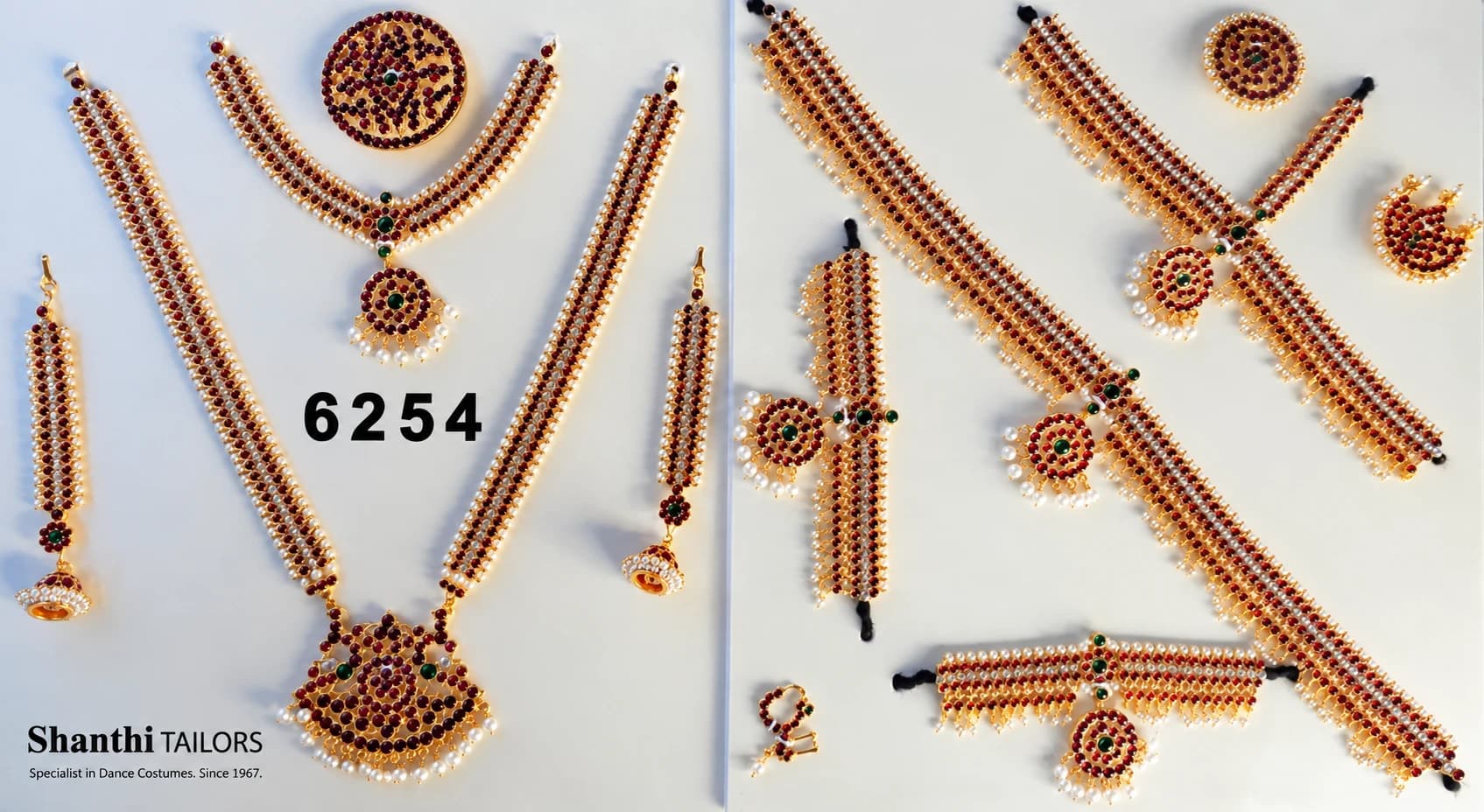
- Soundarya Full set jewellery | Imitation Dance Jewellery | 6254
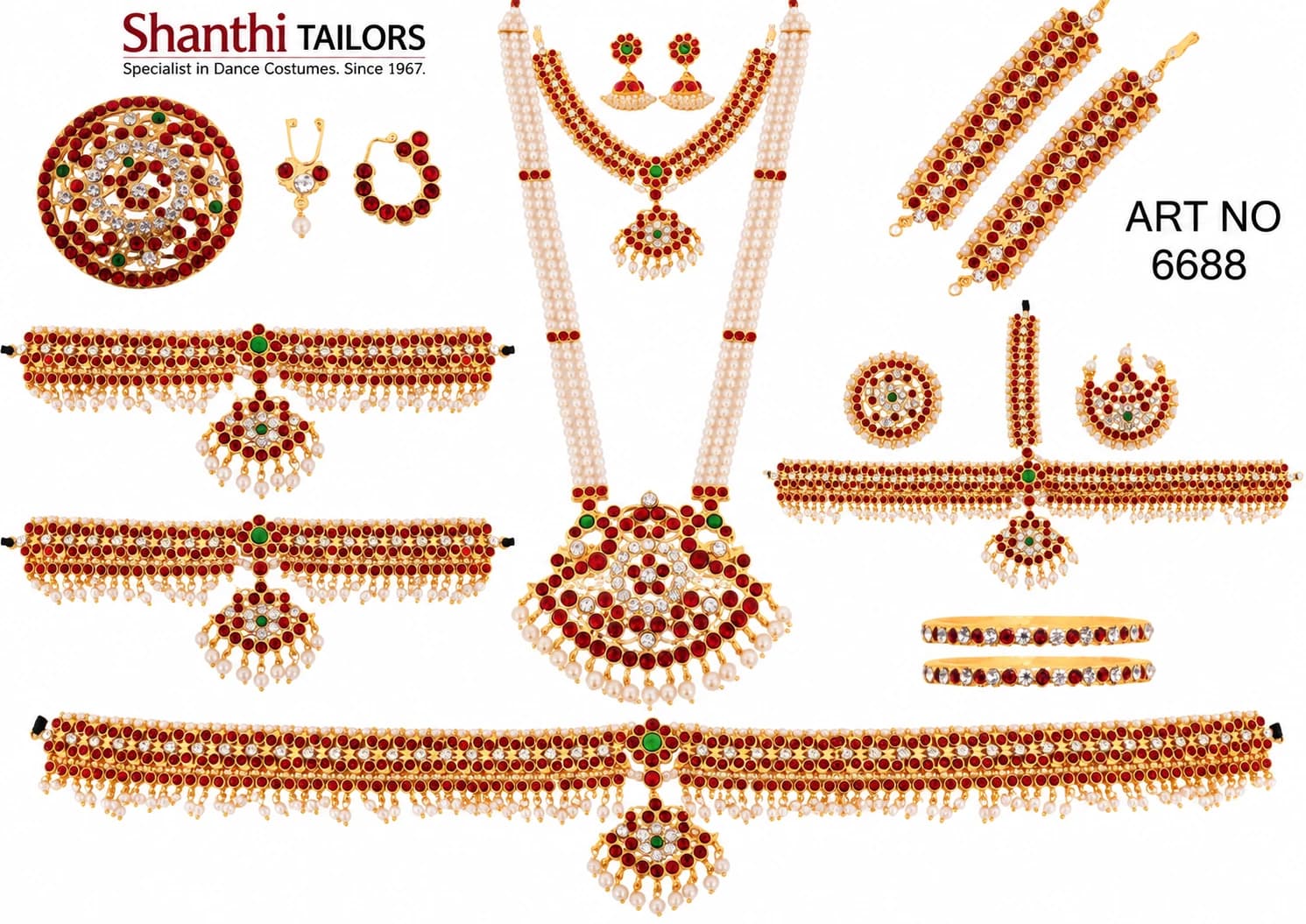
- Soundarya Full set jewellery | Imitation Dance Jewellery | ART 6688
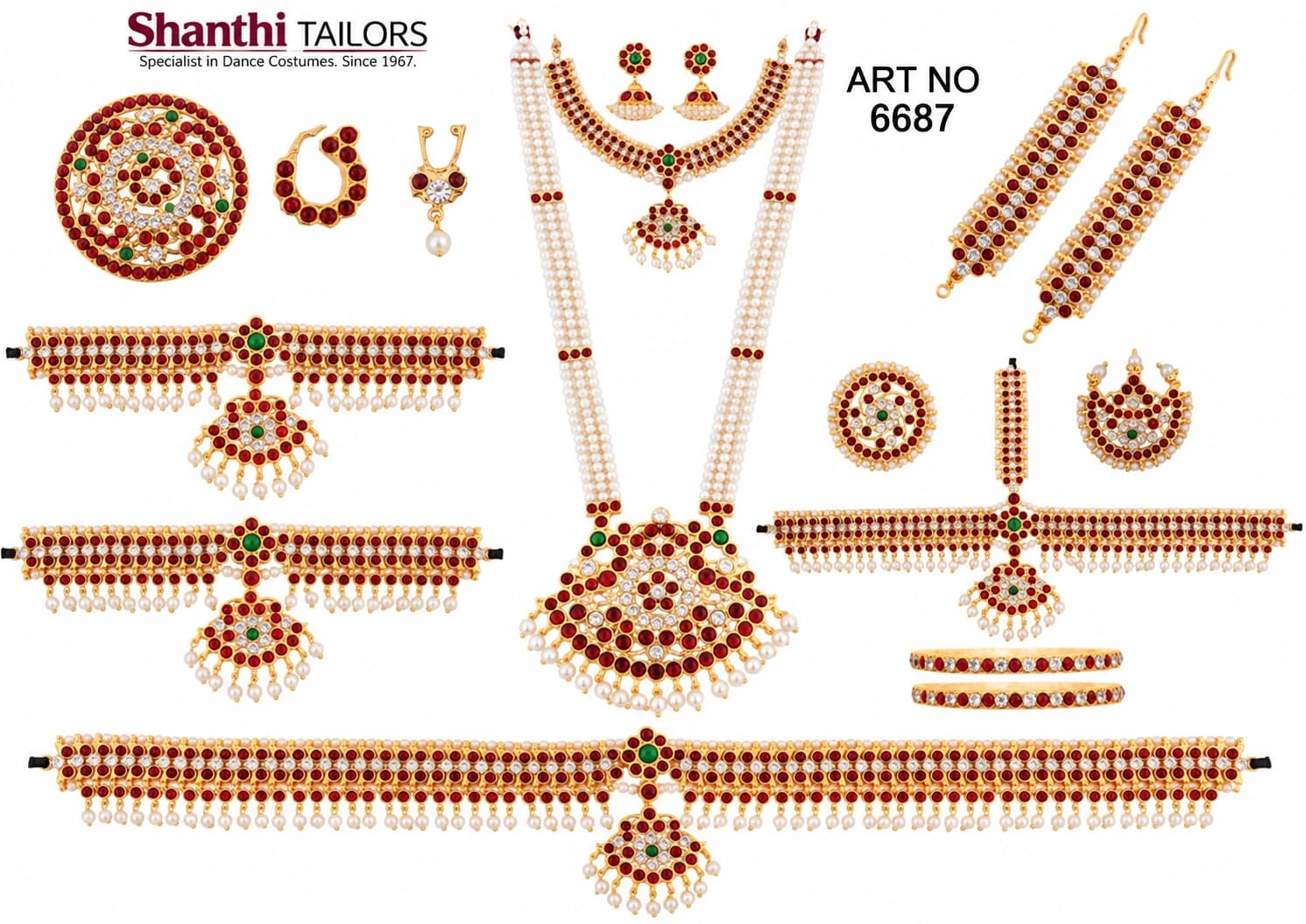
- Soundarya Full set jewellery | Imitation Dance Jewellery | ART 6687
- Imitation Dance Full SET |Jewellery Set | ART 8417
- Thin Imitation Dance Full SET |Jewellery Set | ART 8414
- V shaped Imitation Dance Full SET | Imitation | Jewellery Set | 6659
- Imitation Dance Full SET |Jewellery Set | ART 8396
- Imitation Dance Full SET |Jewellery Set | ART 8419
- Full set jewellery | Imitation Dance Jewellery | ART 4726
- Mango Design Full Set Imitation - Jewellery set
- Soundarya Full set jewellery | Imitation Dance Jewellery | ART 6688H
- Soundarya Full set jewellery | Imitation Dance Jewellery | ART 4727
- V shaped Imitation Dance Full SET |Jewellery Set | 7449
- V shaped Imitation Dance Full SET |Jewellery Set | 6606
- Mango Full Set with Pearls | Imitation Bharatnatyam Set
- Soundarya Full set jewellery | Imitation Dance Jewellery | ART 4731
- Soundarya Full set jewellery | Imitation Dance Jewellery | ART 4728
- Mango with Pearls full set jewellery | imitation Dance Jewellery
- C shaped Imitation Dance Full SET |Jewellery Set | ART 4933
- C shaped Imitation Dance Full SET |Jewellery Set | ART 4730
- Full set jewellery | Imitation Dance Jewellery | ART 3540
- Poothali Design Full Set Imitation - Jewellery set
- Fullset Bharatanatyam Jewellery Set - Copper Base, AD Stones | Margam Jewellery
- Antique Pearl Set | K982 - Jewelllery set
- Soundarya Full set jewellery | Imitation Dance Jewellery | ART 4732
- Imitation Dance Baby Full SET |Jewellery Set | ART 4934
- Tilakam Pendant Mango Belt | Traditional Copper Jewellery
- Margam Set | Copper Dance Jewellery Set for Arangetram
- Imitation Dance Full SET |Jewellery Set | ART 8397
- Haram | Round Haram Dollar pattakkam | Copper Jewellery | Long Haram | NJ128
- Odissi Dance Jewellery | Haram
- V shaped Imitation Dance Full SET |Jewellery Set | ART 4932
- Thin Full set jewellery | Imitation Dance Jewellery | ART 6467
- Thin Full set jewellery | Imitation Dance Jewellery | ART 4931
- Mango with Pearls full set jewellery | imitation Dance Jewellery | ART 5772
- Mango with Pearls full set jewellery | imitation Dance Jewellery | ART 4661
- Imitation Dance Full SET |Jewellery Set | ART3812 - Jewelllery set
- Imitation Dance Full SET |Jewellery Set | ART3610 - Jewelllery set
- Full set jewellery | Imitation Dance Jewellery | ART 6704
- Full set jewellery | Imitation Dance Jewellery | ART 4725
- C shaped Imitation Dance Full SET |Jewellery Set | ART 4729