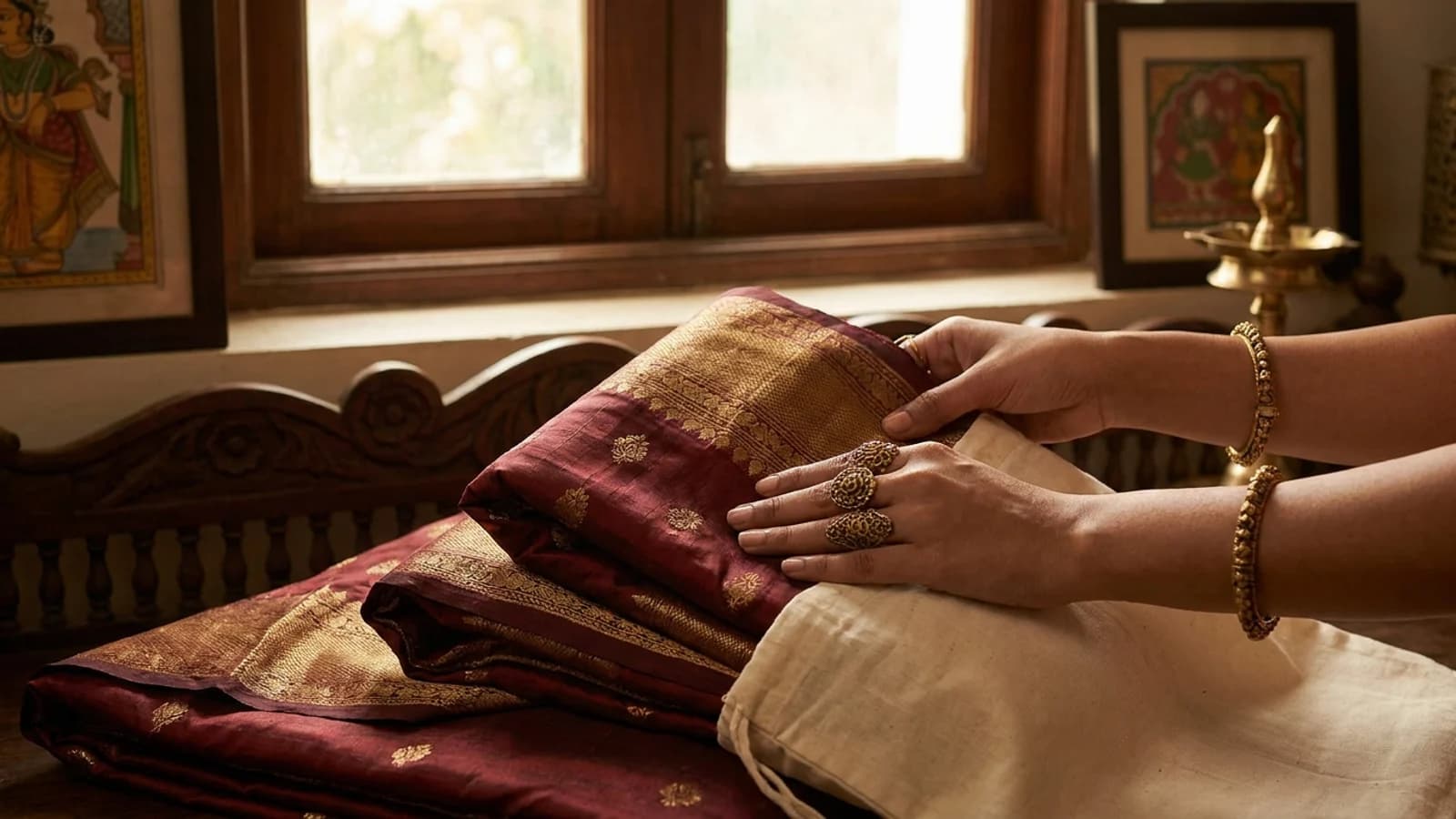
The Enduring Elegance: How to Care for Your Silk Bharatanatyam Costume So It Lasts for Years
Preserve the beauty and legacy of your silk Bharatanatyam costume with expert care tips from Shanthi Tailors. Learn how to maintain its exquisite Zari and fabric for countless performances.
On this page
- The Soul of Silk: Why Your Bharatanatyam Costume Deserves Reverence
- Immediate Care After the Spotlight Fades
- The Art of Cleaning: When and How to Entrust Your Silk
- Mastering Storage: Protecting Your Costume Through the Seasons
- Pre-Performance Rituals & Gentle Refreshing
- When to Seek Expert Hands: Repairs and Restoration
🎧 Listen to this article
Key takeaways
- Always air dry your costume immediately after performance to combat sweat and moisture.
- Professional dry cleaning by a specialist experienced in ethnic silks and Zari is the only recommended cleaning method.
- Store your costume in breathable cotton or muslin bags, in a cool, dry, dark, and pest-free environment.
- Avoid home washing, direct ironing, and plastic storage bags, which can cause irreparable damage.
- Address minor repairs and wear proactively, seeking expert tailoring for intricate work to ensure longevity.
The Soul of Silk: Why Your Bharatanatyam Costume Deserves Reverence
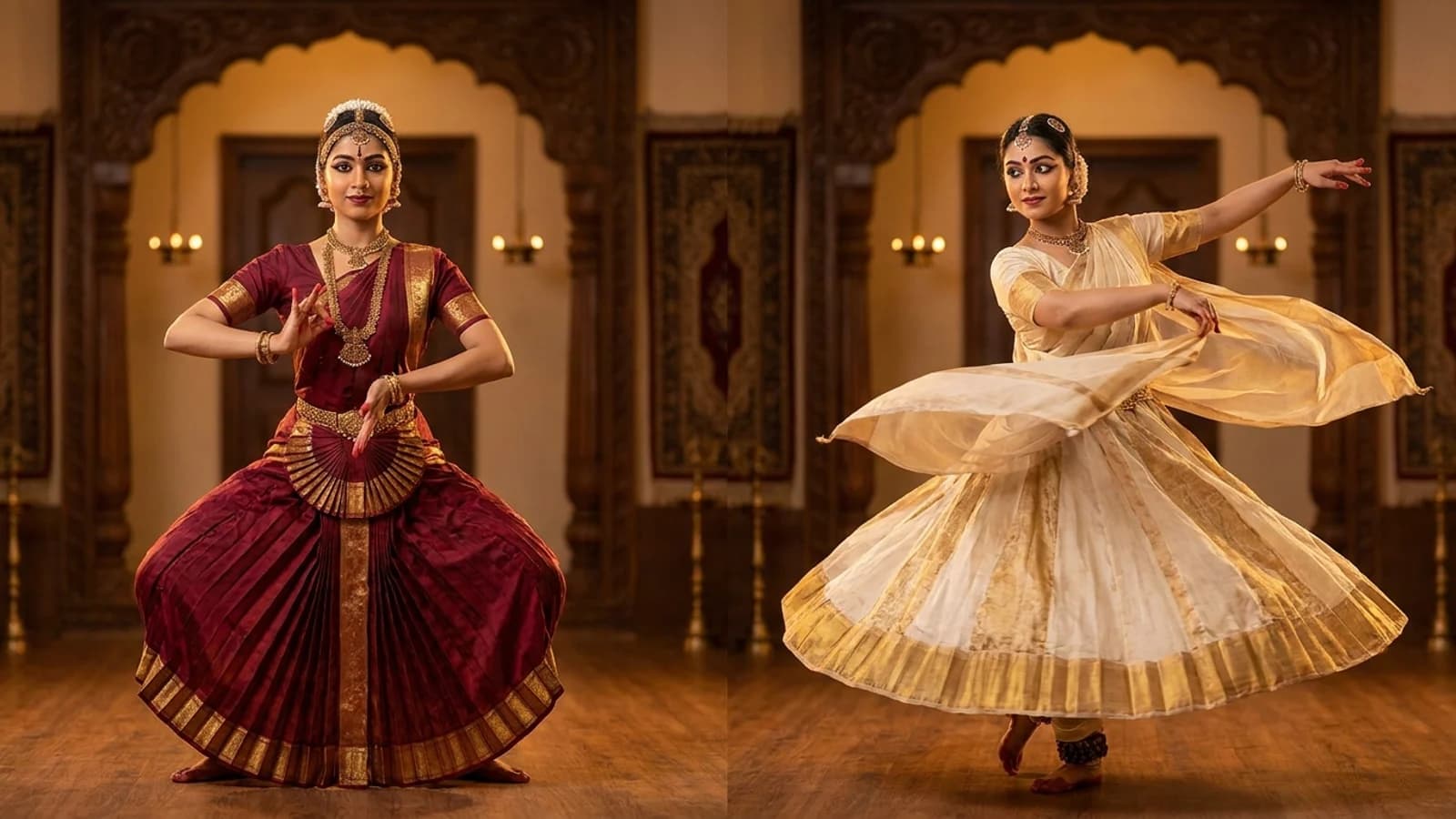
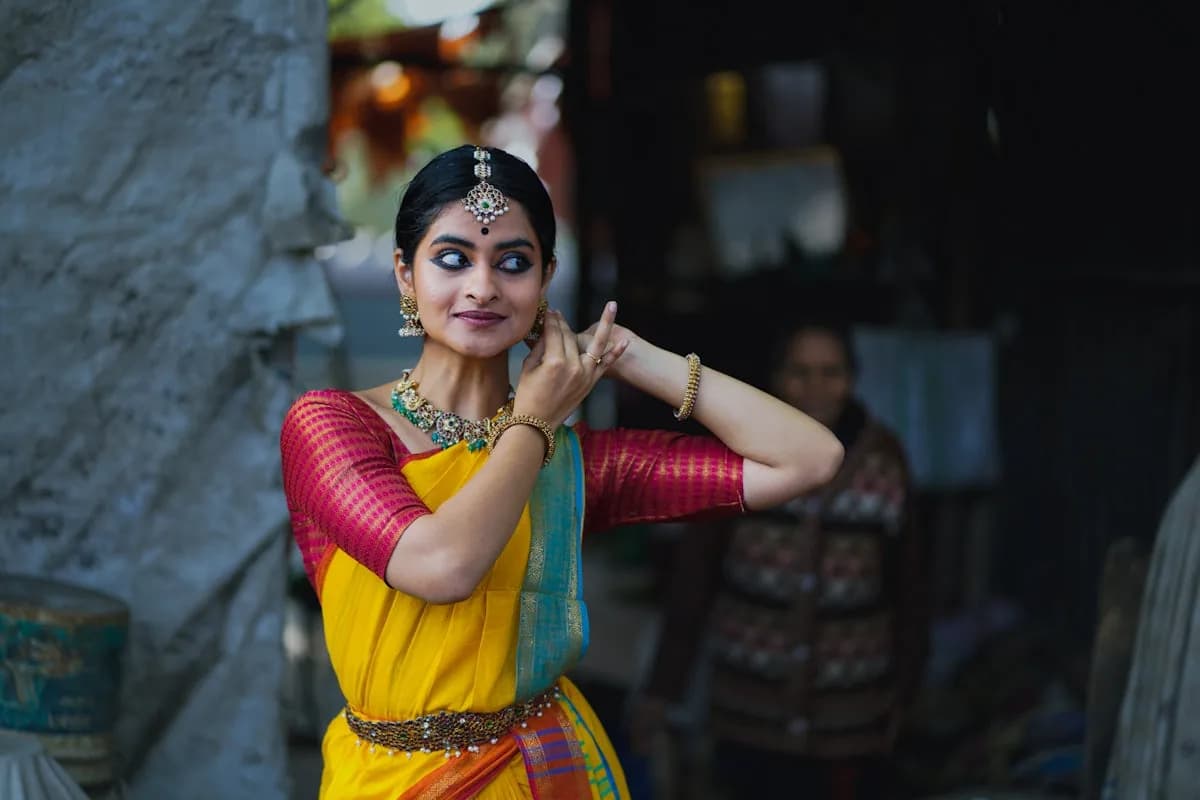
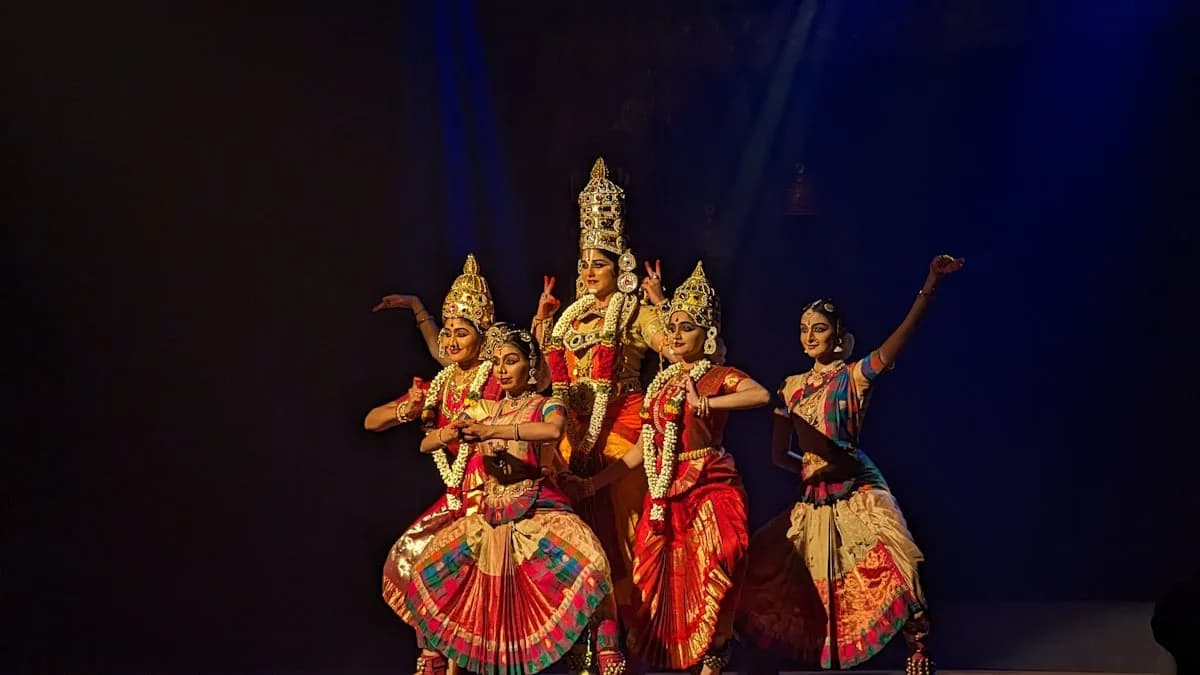
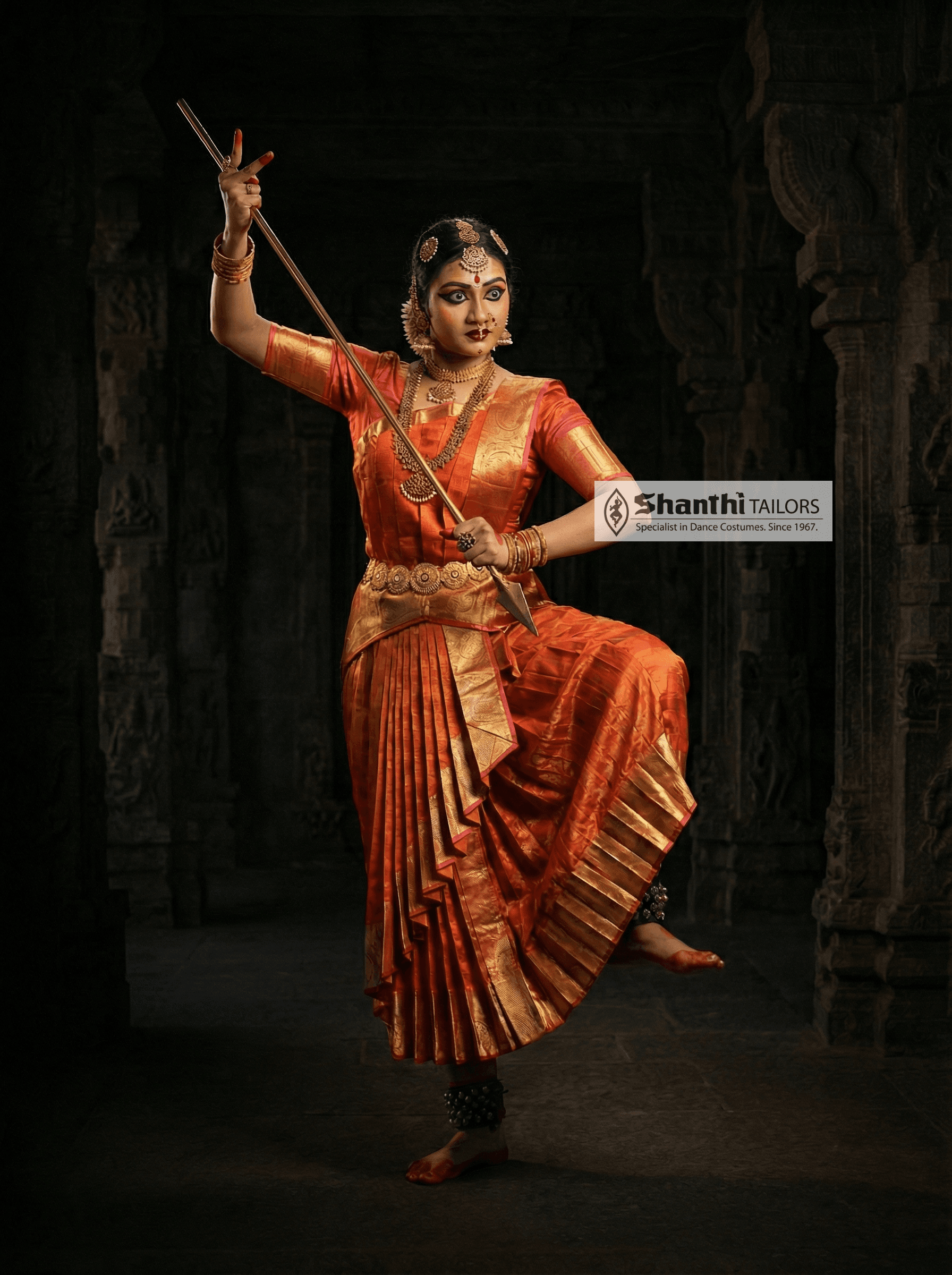
For a Bharatanatyam dancer, the costume is far more than mere attire; it is an extension of their very being, a vibrant canvas for expression, and a profound link to centuries of tradition. Each fold of silk, every shimmer of Zari, tells a story, embodying the rich heritage of classical Indian dance. At Shanthi Tailors, where we have lovingly crafted these masterpieces since 1967, we understand the deep reverence you hold for your costume.
The exquisite silks – be it the lustrous Kanchipuram, Dharmavaram or the vibrant Arani – coupled with the intricate hand-woven Zari borders and motifs, are works of art that deserve meticulous care. These aren't just garments; they are heirlooms, imbued with the energy of countless performances and the blessings of the stage. Preserving their beauty and integrity ensures that your costume continues to grace the stage with the same brilliance it possessed on its very first wear.
Our six decades of experience in dressing thousands of dancers have taught us the nuanced secrets to costume longevity. This guide distills that wisdom, offering practical, authoritative advice to help you care for your silk Bharatanatyam costume so it not only lasts for years but truly thrives, performance after performance, generation after generation.
Immediate Care After the Spotlight Fades
The moments immediately following a performance are crucial for your costume's longevity. Sweat and body oils are the primary culprits that can degrade silk fibers and dull Zari over time. As soon as you step off stage, the first and most critical step is to air out your costume thoroughly. Hang it on a padded hanger in a well-ventilated area, away from direct sunlight, for at least 24-48 hours. Ensure there's good airflow around all layers, including the lining, to allow any moisture to evaporate completely.
Before airing, carefully remove every accessory: every bobby pin, hair ornament, floral garland, and piece of temple jewellery. These items, especially metal ones, can snag delicate silk threads or cause localized pressure and discoloration if left in place. Handle the costume gently, avoiding any pulling or tugging that could strain seams or tear the fabric.
For minor, superficial marks like makeup smudges or dust, address them with extreme caution. Use a clean, white, lint-free cloth and a gentle blotting motion. For oil-based stains, a light dusting of talcum powder can sometimes absorb the oil before gently brushing it off. Never rub the fabric vigorously, and avoid using water or any liquid cleaners for spot treatment on silk, as this can set the stain or cause watermarks.
The Art of Cleaning: When and How to Entrust Your Silk
When it comes to cleaning your Bharatanatyam costume, professional dry cleaning is the only recommended method. The delicate natural protein fibers of silk, the often hand-dyed colors, and especially the intricate metallic Zari work are highly susceptible to damage from water, harsh detergents, and the agitation of home washing. Attempting to hand or machine wash can lead to irreversible shrinkage, severe color bleeding into lighter areas, dulling or tarnishing of the Zari, and weakening of the fabric.
Choosing the right dry cleaner is paramount. Seek out a specialist with proven experience in handling ethnic wear, delicate silks, and garments with intricate Zari work. Do not hesitate to ask about their process, the types of solvents they use (perchloroethylene or hydrocarbon are common for silk), and their specific approach to delicate textiles. Inform them about any specific stains or concerns you have. A reputable cleaner will understand the value and fragility of your costume and treat it with the care it deserves.
While it might seem tempting to save on professional cleaning, the potential for irreparable damage far outweighs the cost. Entrusting your costume to experts ensures that its vibrant colors remain true, its Zari retains its luster, and its overall integrity is preserved for many more performances to come.
Mastering Storage: Protecting Your Costume Through the Seasons
Proper storage is a cornerstone of costume longevity. Once your costume is thoroughly aired and professionally cleaned, it's ready for careful storage. The golden rule is to use breathable materials. Custom-made cotton or muslin bags are ideal, as they allow air circulation while protecting the costume from dust and environmental pollutants. Absolutely avoid plastic garment bags; they trap moisture, which can lead to mildew, yellowing of the silk, and even degradation of Zari over time.
Store your costume in a cool, dry, and dark place. Ideal locations are inside a wardrobe or a dedicated cupboard, away from direct sunlight, exterior walls (which can fluctuate in temperature), and sources of humidity like bathrooms or basements. Consistent temperature and humidity levels are crucial for preserving silk and Zari.
To deter pests like moths, incorporate natural repellents. Dried neem leaves, placed in small sachets within the storage bag, are a traditional and effective choice. Cedar sachets or blocks also work well. Never place naphthalene balls (mothballs) directly onto or inside the costume bag, as their chemicals can stain the silk and damage the Zari. For long-term storage, avoid hanging your costume for extended periods, as the weight can stress seams and cause the fabric to stretch or distort. Instead, fold it gently along existing creases where possible, or create soft, wide folds. Periodically (every 3-6 months), unfold and refold the costume along different lines to prevent permanent creases and allow the fabric to breathe.
Pre-Performance Rituals & Gentle Refreshing
Before each performance, take a moment to inspect your costume. Check all hooks, eyelets, drawstrings, and seams for any loose threads or minor wear. Addressing these small issues proactively can prevent them from becoming major problems during a performance. A quick, careful stitch can save a costume from a wardrobe malfunction.
For removing creases, a gentle hand steamer is the preferred method over ironing. Hold the steamer at a safe distance (typically 6-8 inches) and allow the warm steam to relax the silk fibers. Always use distilled water in your steamer to prevent mineral deposits, and test on an inconspicuous area first. Move the steamer slowly and evenly, ensuring not to oversaturate any one spot. Be especially careful around Zari work, embellishments, stones, or sequins; avoid direct steam contact with these areas as heat and moisture can loosen adhesives or tarnish metallic threads.
If ironing is absolutely necessary, use the lowest silk setting on your iron. Place a clean, dry cotton cloth (like a thin towel or old bedsheet) between the iron and the costume. Always iron on the reverse side of the fabric, moving quickly and evenly. Ensure your iron is absolutely clean before use to avoid transferring any residue onto the silk. Again, never iron directly on Zari work or embellishments. These gentle refreshing rituals ensure your costume looks pristine without compromising its delicate structure.
When to Seek Expert Hands: Repairs and Restoration
Even with the most diligent care, costumes experience wear and tear over time. Frayed Zari, torn seams near armholes or the waist, or a worn-out lining are common issues. Addressing these concerns promptly with professional help is crucial for extending your costume's life and maintaining its aesthetic integrity. Delaying repairs can lead to more extensive and costly damage.
A skilled atelier, experienced in classical Indian dance costumes, possesses the specialized tools, techniques, and understanding of traditional construction methods required for these intricate repairs. They can meticulously re-stitch loose Zari, mend tears seamlessly, or replace worn-out linings with fresh cotton or silk, ensuring the costume remains comfortable and durable. Such expertise is vital for matching thread colors and fabric types accurately, preserving the original drape and fall of the garment without compromising its artistic value.
Furthermore, as dancers grow or body shapes evolve, minor alterations might be needed to ensure a perfect fit. A trusted atelier like Shanthi Tailors understands the delicate balance of preserving heritage while ensuring contemporary wearability. Seeking professional assistance for repairs and alterations not only extends the lifespan of your costume but also upholds the quality and craftsmanship that make it a cherished part of your dance journey.
Frequently asked questions
Can I wash my Bharatanatyam costume at home?
We strongly advise against hand or machine washing your silk Bharatanatyam costume. The delicate silk fibers, natural dyes, and especially the intricate Zari work are highly susceptible to damage from water, detergents, and agitation, leading to shrinkage, color bleed, and irreversible dulling of the Zari. Professional dry cleaning by a specialist experienced in ethnic silks is the safest and only recommended method.
How do I remove sweat stains from my costume?
Immediately after performance, air your costume thoroughly in a well-ventilated area away from direct sunlight. For minor, fresh sweat marks, a gentle dab with a clean, soft, dry cloth might help. Avoid rubbing. For persistent or dried stains, it is best to entrust the costume to a professional dry cleaner, informing them specifically about the nature of the stain. Attempting to wash or scrub can set the stain or damage the fabric.
What's the best way to store my costume long-term?
After professional cleaning and thorough airing, store your costume in a breathable cotton or muslin bag. Avoid plastic bags, which trap moisture and can cause mildew or yellowing. Keep it in a cool, dry, dark place, away from direct sunlight and humidity. To prevent permanent creases, unfold and refold the costume periodically along different lines. Incorporate natural repellents like dried neem leaves or cedar sachets to deter pests, but never use naphthalene balls directly on the silk.
Can I iron my silk Bharatanatyam costume?
Ironing should be approached with extreme caution and is generally discouraged due to the delicate nature of silk and Zari. A gentle hand steamer held at a distance is the preferred method for removing creases. If ironing is absolutely necessary, use the lowest silk setting, place a clean cotton cloth between the iron and the costume, and iron only on the reverse side. Never iron directly on the Zari work or embellishments.
How often should I have my costume professionally cleaned?
The frequency depends on how often you perform and the intensity of use. As a general guideline, a costume should be professionally dry cleaned after every 3-5 significant performances, or at least once a year if used less frequently, especially before long-term storage. Prompt cleaning after heavy perspiration or visible soiling is always recommended to prevent stains from setting.
Shop this look
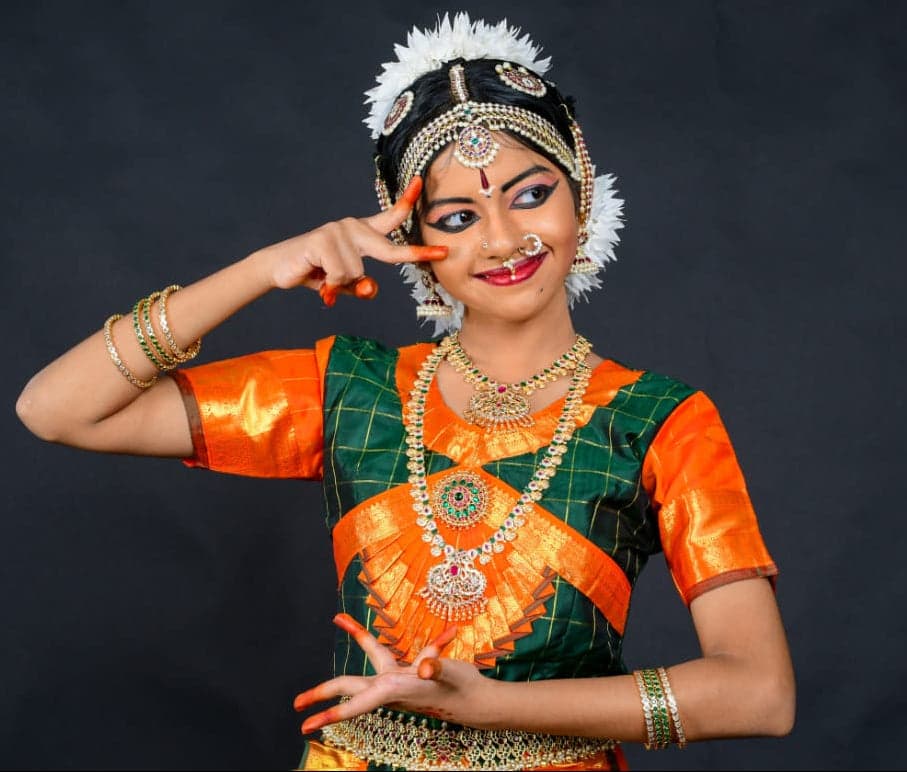
KIDS PANT COSTUME | Bharatanatyam costume
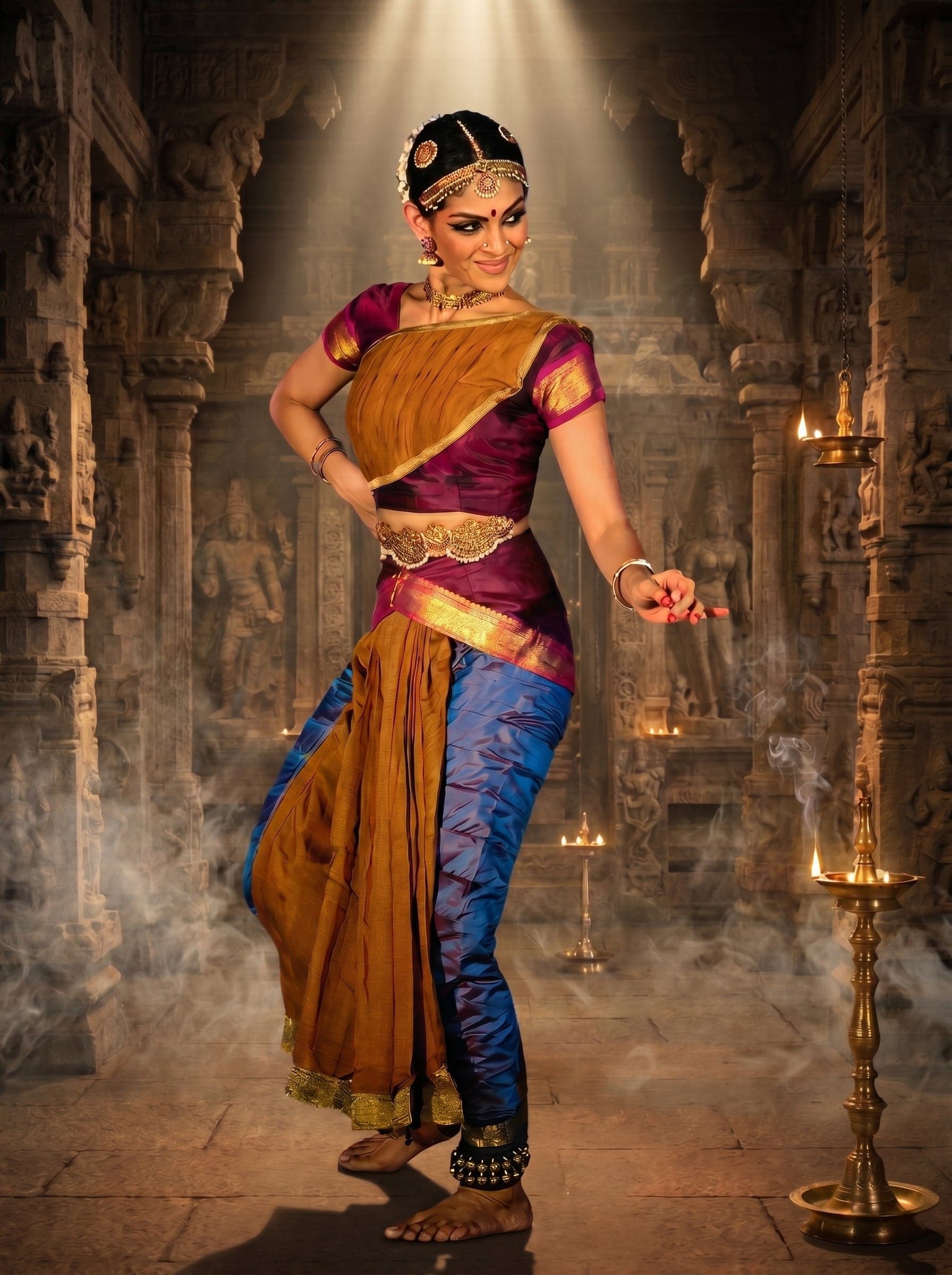
Rukmani Style Katcham | Bharatanatyam Costume | Custom Tailored Silk (Est. 1967)
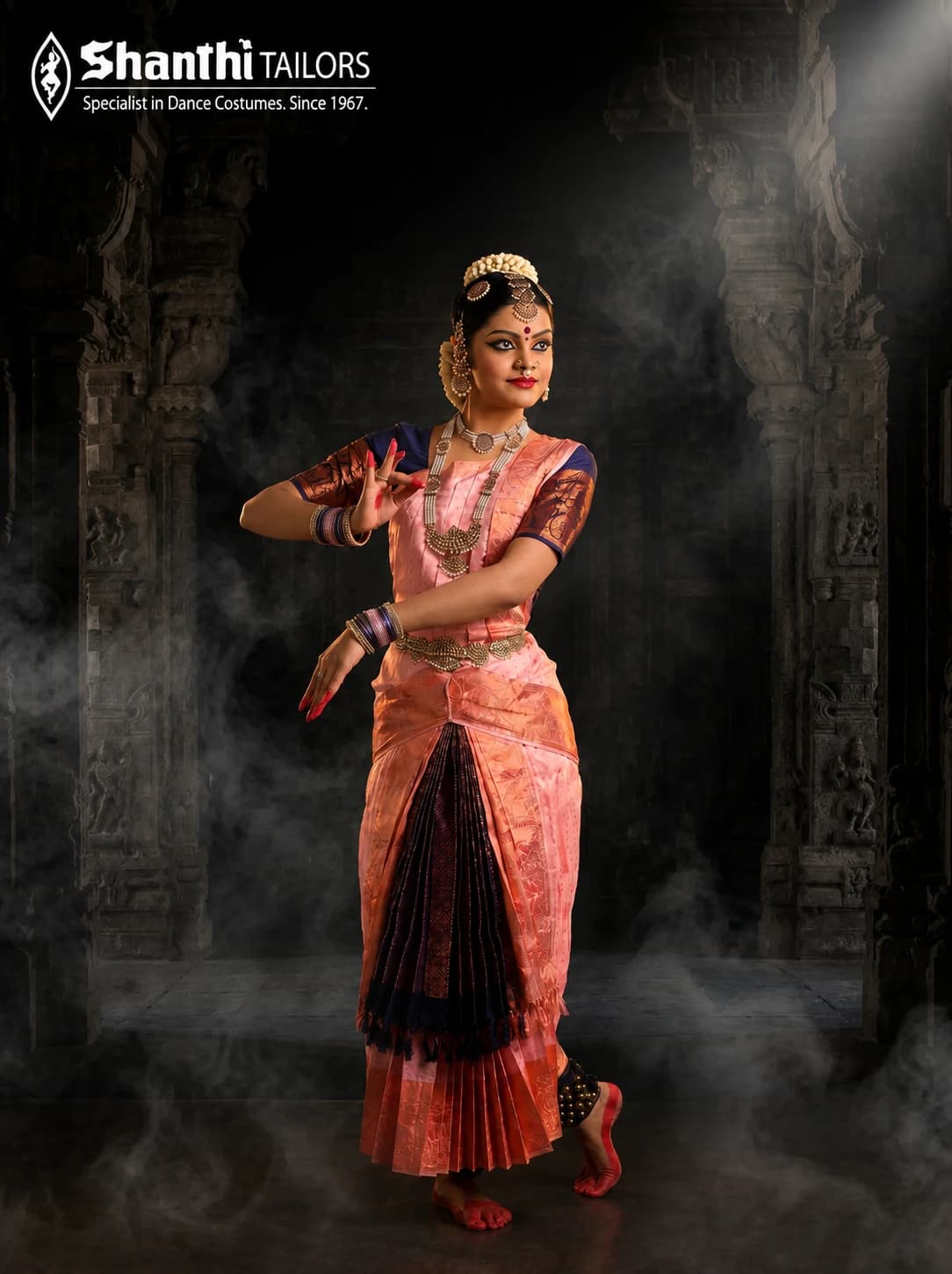
Skirt Model - Kalkeshtra Style for Bharatnatyam | bharatanatyam costume
Skirt Style Cross Fan | Bharatanatyam Costume | shanthitailors

Sun Fleets (Thalipil) Bharatanatyam Costume | Long Fan Style | Custom Tailored Silk (Est. 1967)
Shanthi Tailors Editorial
Shanthi Tailors has crafted classical dance costumes and temple jewellery in Chennai since 1967, dressing dancers for arangetrams and stages worldwide.