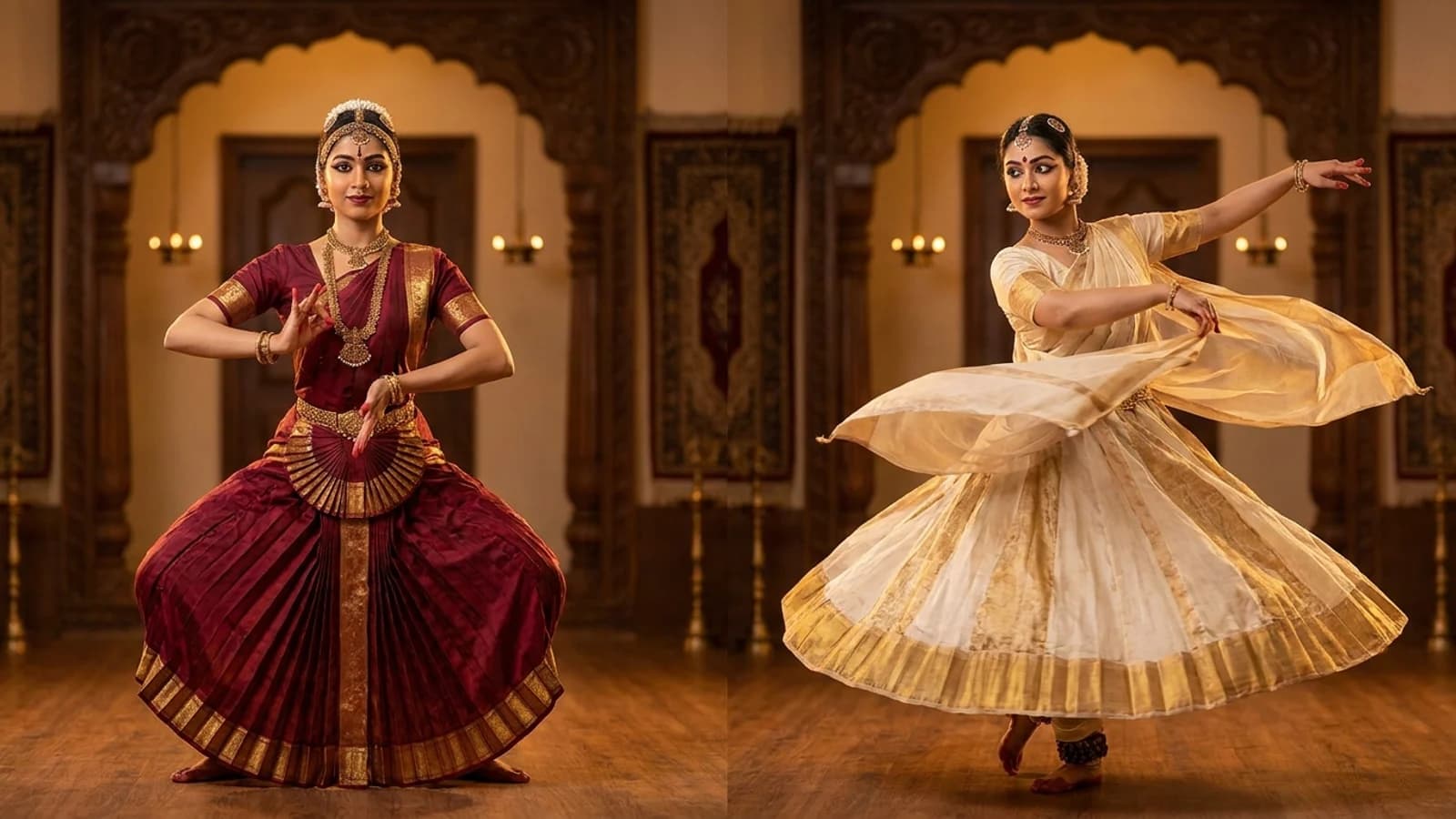
Kuchipudi vs. Bharatanatyam Costume: Unveiling the Distinctive Silhouettes
For dancers and enthusiasts alike, understanding the subtle yet significant differences between Kuchipudi and Bharatanatyam costumes is key. Shanthi Tailors, with decades of expertise, breaks down the unique elements that define each exquisite ensemble.
On this page
- Introduction: Two Dances, Two Distinct Expressions
- Roots and Resonance: The Cultural Tapestry Influencing Costume
- The Bharatanatyam Costume: A Symphony of Structure and Grace
- The Kuchipudi Costume: Fluidity and Narrative Expression
- The Nuances of Design: A Closer Look at Key Differences
- The Art of Custom Stitching: Your Shanthi Tailors Experience
- Preserving Your Legacy: Care and Longevity of Your Costume
🎧 Listen to this article
Key takeaways
- Bharatanatyam costumes feature structured, fan-like pleats for geometric precision.
- Kuchipudi costumes offer a softer, broader flare, emphasizing fluidity and dramatic expression.
- Fabric choice and precise measurements are crucial for both dance forms to ensure comfort and stage presence.
- Custom stitching takes 6-8 weeks, requiring detailed measurements for a perfect, performance-ready fit.
- Proper care, including dry cleaning and muslin storage, is essential to preserve the longevity of silk costumes.
Introduction: Two Dances, Two Distinct Expressions
At Shanthi Tailors, where the legacy of classical Indian dance costume making began in 1967, we've had the privilege of dressing thousands of dancers across the globe. From the vibrant stages of Chennai to international festivals, we understand that a costume is far more than just attire; it is an extension of the dancer's spirit, a visual narrative that enhances every movement.
Among the most beloved and widely practiced classical forms are Bharatanatyam and Kuchipudi. While they share a rich heritage and a common spiritual core, their aesthetics, movements, and consequently, their costumes, possess distinct characteristics. For a dancer, teacher, or parent embarking on the journey of acquiring a custom costume, understanding these nuances is paramount. This guide aims to demystify the key differences between the Bharatanatyam and Kuchipudi costumes, drawing upon our six decades of hands-on experience in crafting these magnificent ensembles.
Roots and Resonance: The Cultural Tapestry Influencing Costume
The variations in costume design are not arbitrary; they are deeply rooted in the geographical origins and performance traditions of each dance form. Bharatanatyam, hailing from Tamil Nadu, evolved from temple dance traditions (Sadir) and is characterized by its linear, geometric precision, strong postures, and intricate footwork. The costume for Bharatanatyam is thus designed to accentuate these defined lines and sculptural poses.
Kuchipudi, on the other hand, originated in the village of Kuchipudi in Andhra Pradesh, evolving from a tradition of dance-drama (Bhagavata Mela Natakam). It is known for its fluid movements, dramatic flair, rapid transitions, and emphasis on narrative expression (abhinaya). Kuchipudi often incorporates elements of folk dance, and its costume reflects this dynamism and theatricality, allowing for greater freedom of movement and character portrayal.
Understanding these foundational differences helps appreciate why certain costume elements are structured the way they are, directly impacting the dancer's silhouette and stage presence. Our artisans at Shanthi Tailors often discuss these cultural contexts with dancers to ensure the costume not only fits perfectly but also authentically embodies the spirit of their chosen art form.
The Bharatanatyam Costume: A Symphony of Structure and Grace
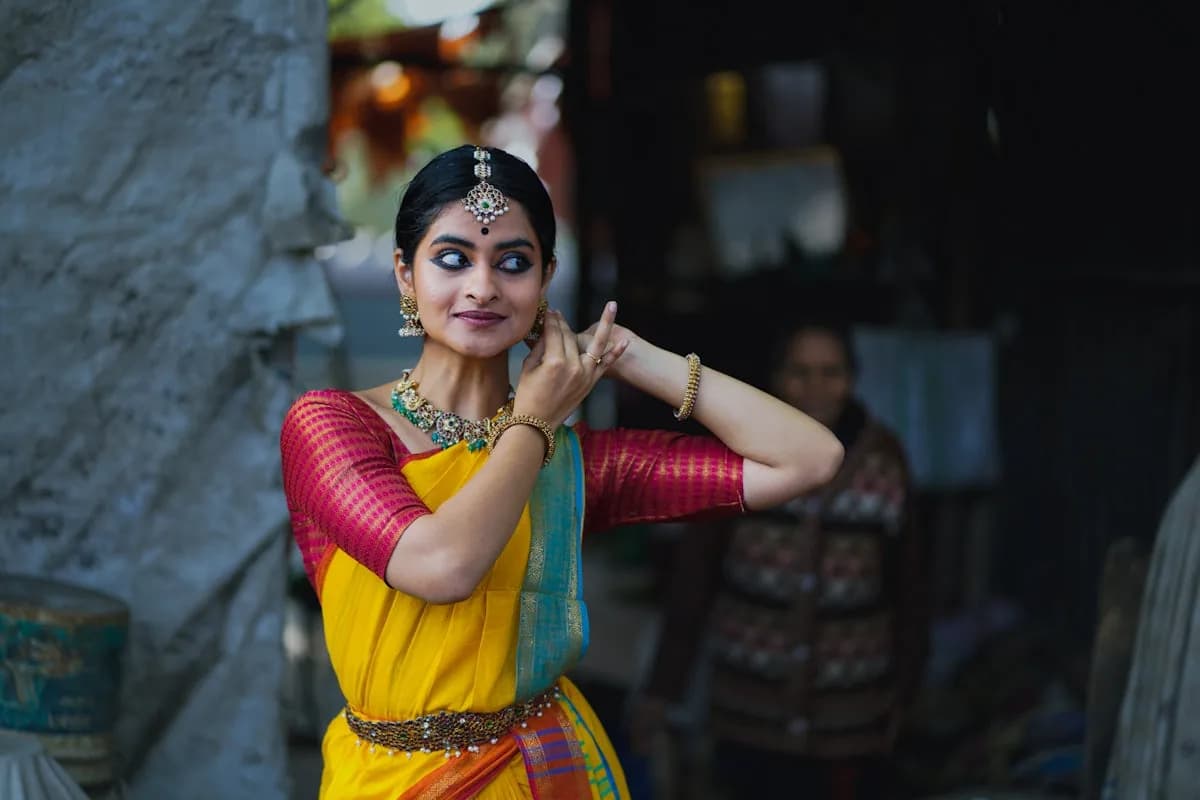
The Bharatanatyam costume is a study in elegance and defined structure, meticulously designed to highlight the dance's characteristic geometric lines and statuesque poses. Its silhouette is distinct, creating an almost architectural beauty that enhances the dancer's *adavus* (basic steps) and *mudras* (hand gestures).
The central feature is the stitched fan pleats, often referred to as the 'peacock tail' fan. This fan, typically cut and sewn from a contrasting or complementary fabric, is designed to open dramatically when the dancer performs *araimandi* (the half-sitting posture), creating a wide, beautiful flare that accentuates the leg lines and the dancer's grounded stance. The pleats are stiffly structured, often reinforced to maintain their shape throughout a performance.
The choli or bodice is typically snug-fitting, with necklines ranging from boat to square, and short sleeves. It is designed to provide firm support and highlight the torso and arm movements without any distraction. The dhavani or upper cloth is draped gracefully over the choli, often secured at the waist or shoulder, ensuring a clean, unbroken line that contributes to the costume's overall structured appearance.
For materials, we predominantly use rich Kanchipuram silks or other pure silks for performance costumes, chosen for their vibrant colours, luxurious lustre, and their ability to hold the costume's defined structure. For practice, comfortable cotton costumes are preferred. Every Bharatanatyam costume crafted at Shanthi Tailors emphasizes precision, grace, and the sculptural quality inherent in the dance.
The Kuchipudi Costume: Fluidity and Narrative Expression
In contrast to Bharatanatyam, the Kuchipudi costume embraces fluidity and a more expansive silhouette, engineered to facilitate the dance form's dynamic movements, rapid transitions, and dramatic storytelling. The emphasis is on freedom of movement, allowing for the characteristic swings, leaps, and quick changes in character.
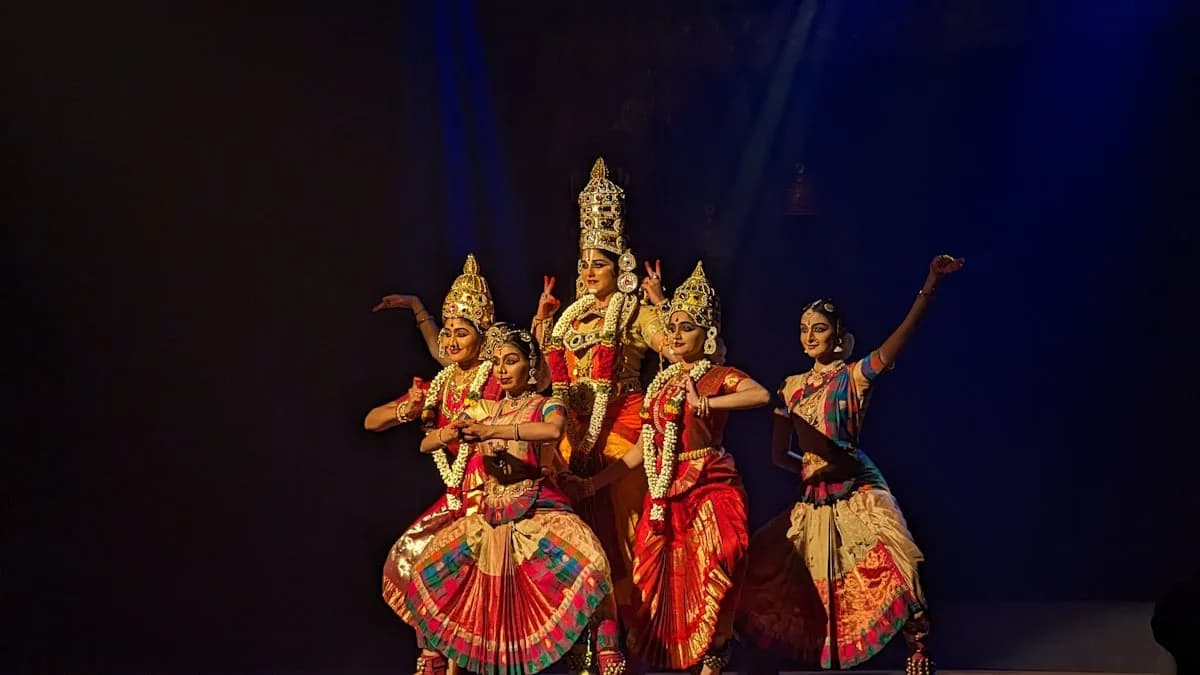
While Kuchipudi costumes also feature pleats, the fan is generally broader, softer, and less rigidly structured than its Bharatanatyam counterpart. It allows for more expansive leg movements and quick, sweeping gestures, contributing to the dance's vibrant energy. Often, the lower half is stitched to emulate a saree drape, particularly for female roles, creating a sense of natural flow and enhancing the *abhinaya*.
The choli or bodice, while still fitted, can sometimes be slightly less restrictive than a Bharatanatyam choli, allowing for greater torso undulations and expressive movements. Necklines and embellishments might lean towards slightly bolder or more theatrical motifs to support the storytelling aspect of Kuchipudi.
For male roles or specific character portrayals, the *kaccha* (dhoti-style drape) is commonly used. This Kuchipudi *kaccha* is often more elaborate than a simple Bharatanatyam male dhoti, featuring wider pleats and specific waistbands designed to facilitate vigorous leaps, turns, and the portrayal of mythological characters like Krishna or Prahlada. Materials often include silks, but sometimes lighter weaves or specialized blends are chosen to reduce weight and enhance the costume's flowing drape.
The Nuances of Design: A Closer Look at Key Differences
While both costumes are stunning examples of traditional Indian textile art, a closer examination reveals the specific design choices that distinguish them:
- Pleating and Flare: The most visible difference lies in the pleats. Bharatanatyam boasts a stiff, triangular, and highly structured fan, meticulously cut to open into a perfect 'A' shape in *araimandi*. Kuchipudi, conversely, features a softer, wider, and more rounded flare, often resembling a natural saree drape, allowing for greater flexibility and dynamic leg extensions. The *arakat* (cut) of the fan is fundamentally different to achieve these distinct effects.
- Bodice Fit and Torso Movement: Bharatanatyam's choli is typically very snug and supportive, designed to create a firm, defined upper body line crucial for its *adavus*. Kuchipudi's choli, while still fitted, might allow for slightly more pliability around the torso, accommodating the dance's characteristic waves and undulations of the upper body, which are vital for expressive *abhinaya*.
- Drape and Silhouette: The way the upper cloth (*dhavani* in Bharatanatyam, *odani* or *pallu* in Kuchipudi) is draped significantly impacts the overall silhouette. Bharatanatyam's drape is often clean and taut, contributing to the defined lines. Kuchipudi's drape can be more flowing, sometimes falling more loosely from the back or shoulder, enhancing the sense of movement and theatricality, especially during quick turns or character shifts.
- Male Costumes: Bharatanatyam male costumes are generally simpler, consisting of an elegant dhoti with minimal pleating and an upper cloth. Kuchipudi male costumes, particularly for character roles, are often far more elaborate, featuring wider *kaccha* pleats, specific waistbands, and additional upper body drapes or embellishments to signify the character being portrayed, supporting the dance-drama tradition.
These distinctions are not mere stylistic preferences; they are functional design choices that directly support the unique movement vocabulary and expressive demands of each classical dance form.
The Art of Custom Stitching: Your Shanthi Tailors Experience
Crafting a classical dance costume is an intricate art form in itself, one that Shanthi Tailors has perfected over generations. For us, it begins with precision. A truly custom costume is built upon a foundation of accurate measurements—typically 20 to 25 specific body measurements, including everything from shoulder width and bust circumference to armhole depth, sleeve length, thigh circumference, knee, ankle, and the precise length required for the pyjama and fan. We guide our clients through this crucial step, providing detailed instructions or assisting with professional measurements to ensure an impeccable fit.
Material selection is another critical aspect. We offer a range of options, from exquisite pure Kanchipuram silks known for their rich texture and vibrant colours, ideal for grand performances, to lighter semi-silks that offer a beautiful drape at a more accessible price point, and durable cottons perfect for rigorous practice sessions. Each fabric choice impacts the costume's drape, longevity, and stage presence, and we advise dancers on the best option for their specific needs and performance context.
The stitching process itself is a labour of love, involving skilled artisans who hand-finish many elements, paying meticulous attention to detail. From the initial cutting of the fabric to the intricate pleating and embellishments, each step is performed with dedication. This bespoke craftsmanship ensures not only a perfect fit and comfort but also the durability required for years of performances. Due to this intricate process, a custom-stitched costume typically requires a timeline of 6 to 8 weeks from the confirmation of measurements and fabric selection.
At Shanthi Tailors, we pride ourselves on collaborating closely with dancers, teachers, and parents. We understand that each costume is a personal statement, and our goal is to create an ensemble that not only meets the technical demands of the dance but also beautifully enhances the dancer's unique artistry and stage presence.
Preserving Your Legacy: Care and Longevity of Your Costume
A custom-stitched classical dance costume is an investment, a cherished garment that can last for decades with proper care. Its longevity depends significantly on how it is handled and maintained, particularly given the delicate nature of the silks and intricate stitching.
Immediate care after a performance is crucial. Always air out your costume thoroughly to remove any moisture or perspiration before storing it. This prevents mildew and preserves the fabric's integrity. For cleaning, silk costumes require professional attention: they must be strictly dry cleaned only. Never attempt to machine wash or hand wash silk costumes, as this can irrevocably damage the fabric, colours, and structure of the pleats. For minor, isolated spots, gentle spot cleaning with a specialist fabric cleaner might be possible, but always test on an inconspicuous area first.
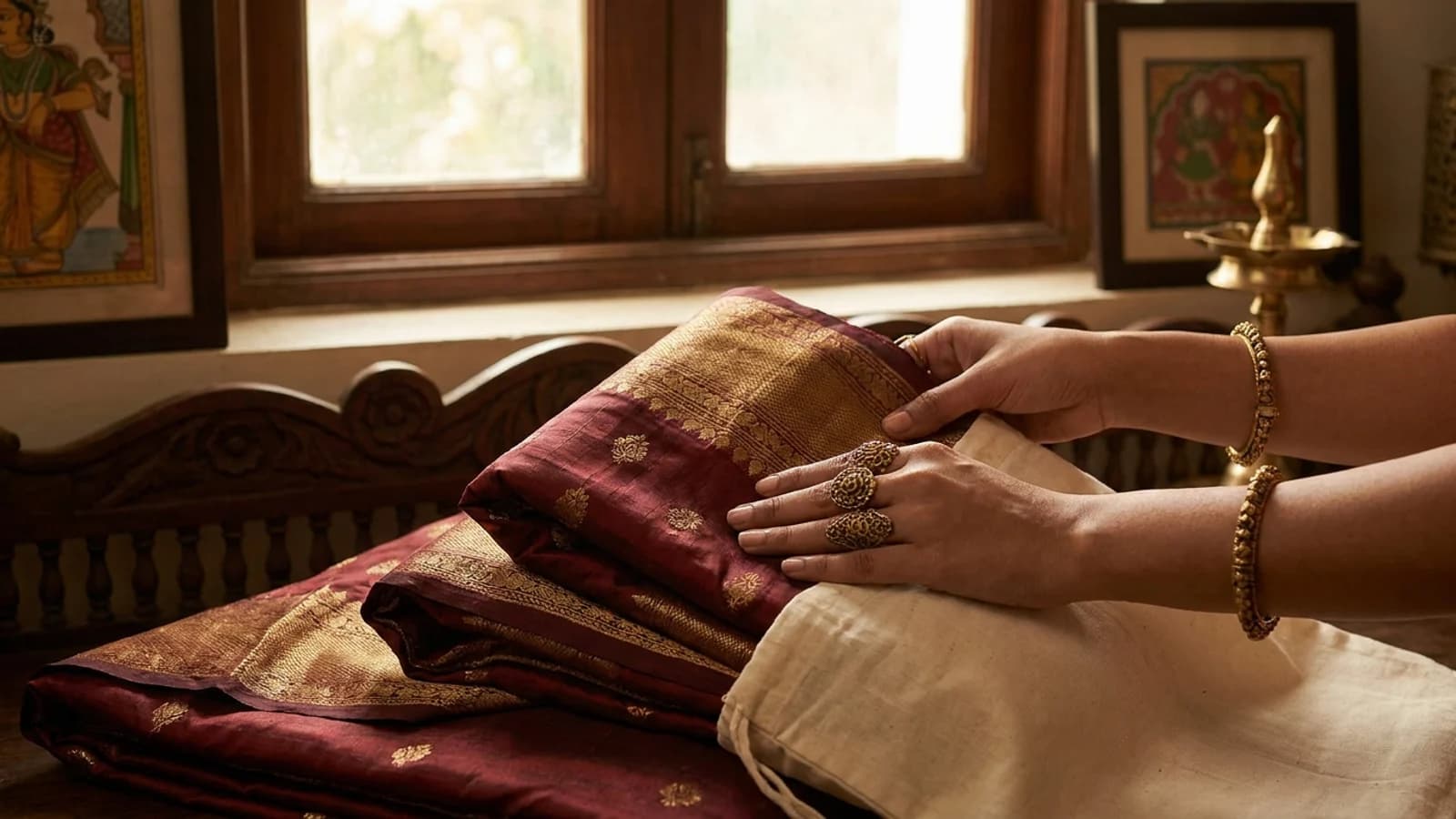
When it comes to storage, choose a cool, dry place away from direct sunlight. The best practice is to wrap your costume in a breathable cotton or muslin cloth. Avoid plastic covers for long-term storage, as they can trap moisture, leading to discolouration and fabric degradation. Fold your costume carefully, paying particular attention to the pleats to prevent permanent creases. Addressing any loose threads or minor tears promptly will prevent further damage and extend the life of your precious costume.
By following these care guidelines, your Shanthi Tailors costume will remain a vibrant and cherished part of your dance journey, ready to grace countless stages for years to come.
Frequently asked questions
Can I use a Bharatanatyam costume for Kuchipudi, or vice versa?
While both are classical Indian dance forms, their costumes are specifically designed to enhance their unique movements and aesthetics. A Bharatanatyam costume's stiff, structured pleats may restrict the fluidity required for Kuchipudi, and a Kuchipudi costume's softer drape might not provide the defined lines essential for Bharatanatyam. For optimal performance and authenticity, we recommend using a costume tailored for the specific dance form.
How many measurements are needed for a custom costume?
For a truly custom fit that ensures both comfort and perfect drape, Shanthi Tailors typically requires 20 to 25 precise body measurements. This includes detailed measurements for the choli, pyjama/saree, and the fan, covering aspects like shoulder width, bust, waist, armhole, sleeve length, thigh circumference, knee, ankle, and all relevant lengths.
What is the best fabric for a performance costume?
For stage performances, pure silk, such as Kanchipuram silk, is highly recommended due to its rich lustre, vibrant colours, and excellent drape. It holds structure beautifully for Bharatanatyam and flows elegantly for Kuchipudi. For those seeking alternatives, high-quality semi-silks offer a good balance of aesthetics and affordability, while cotton is ideal for practice costumes due to its breathability.
How long does it take to get a custom costume stitched?
The intricate process of custom tailoring a classical dance costume, from fabric cutting to hand-finishing and embellishments, requires significant time and skill. Typically, you can expect your custom costume to be ready for shipping within 6 to 8 weeks from the date of confirmed measurements and fabric selection. We advise planning well in advance of your performance dates.
How should I care for my silk dance costume?
Silk costumes should always be professionally dry cleaned only. Never machine wash or hand wash them. After each use, air out the costume thoroughly before storing it in a cool, dry place, ideally wrapped in a breathable cotton or muslin cloth. Avoid plastic covers for long-term storage, as they can trap moisture and damage the fabric.
Shop this look
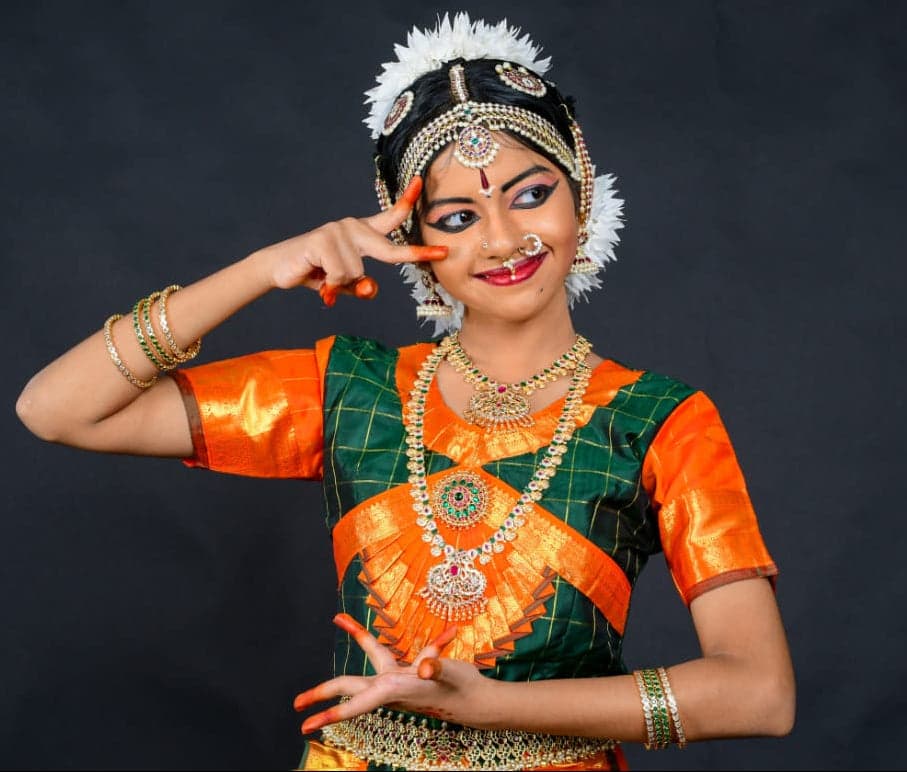
KIDS PANT COSTUME | Bharatanatyam costume
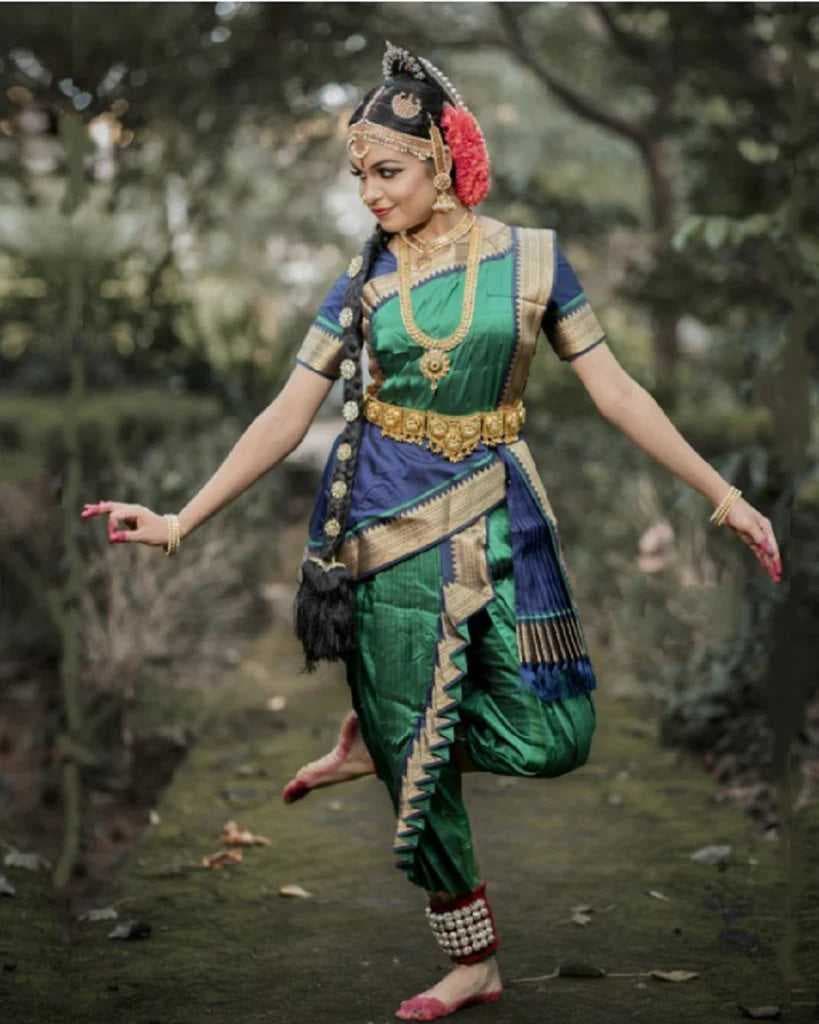
Kuchipudi Dress Cross Fan | Silk Dance Costume | shanthitailors | Custom Tailored Silk (Est. 1967)
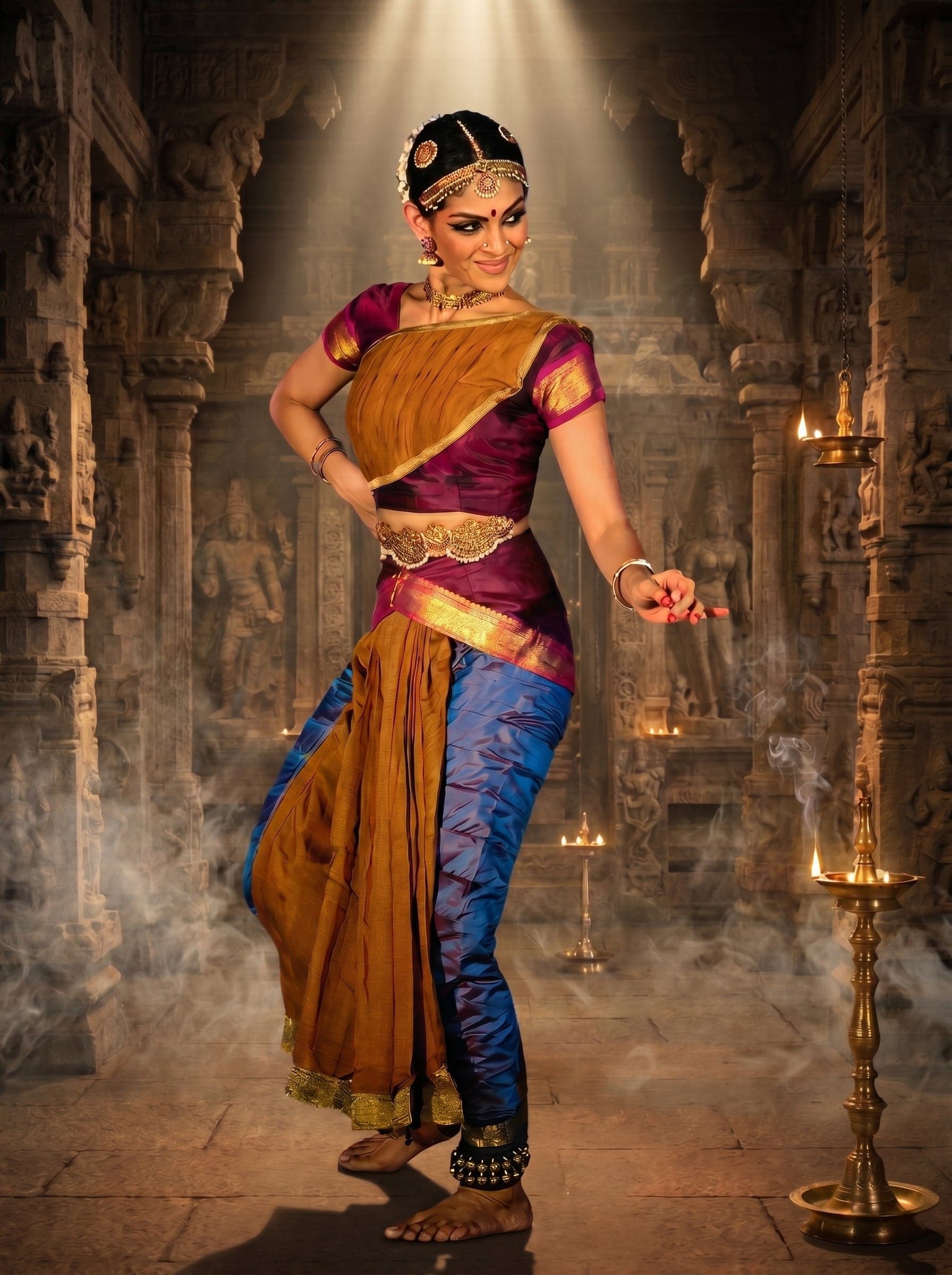
Rukmani Style Katcham | Bharatanatyam Costume | Custom Tailored Silk (Est. 1967)
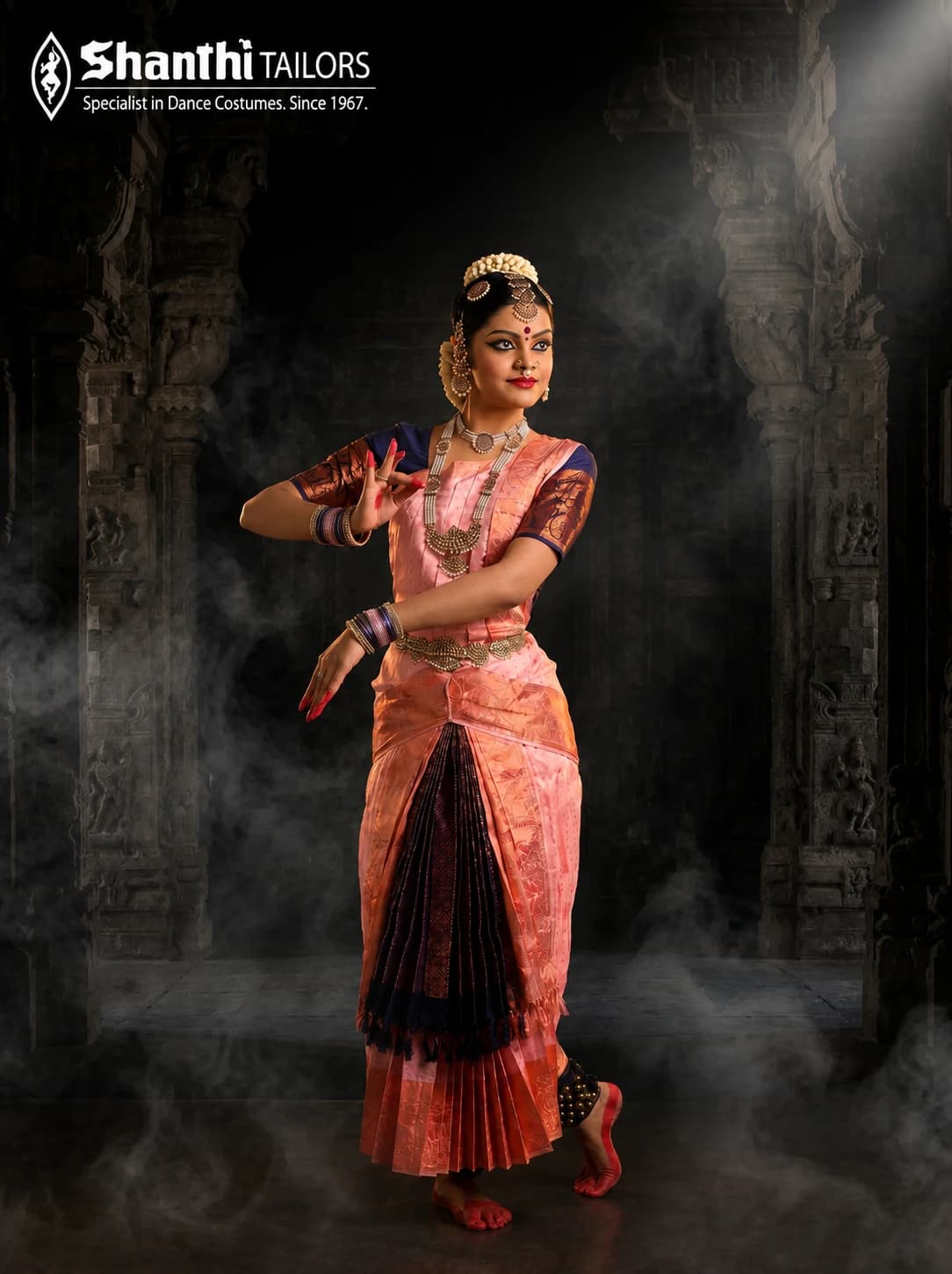
Skirt Model - Kalkeshtra Style for Bharatnatyam | bharatanatyam costume
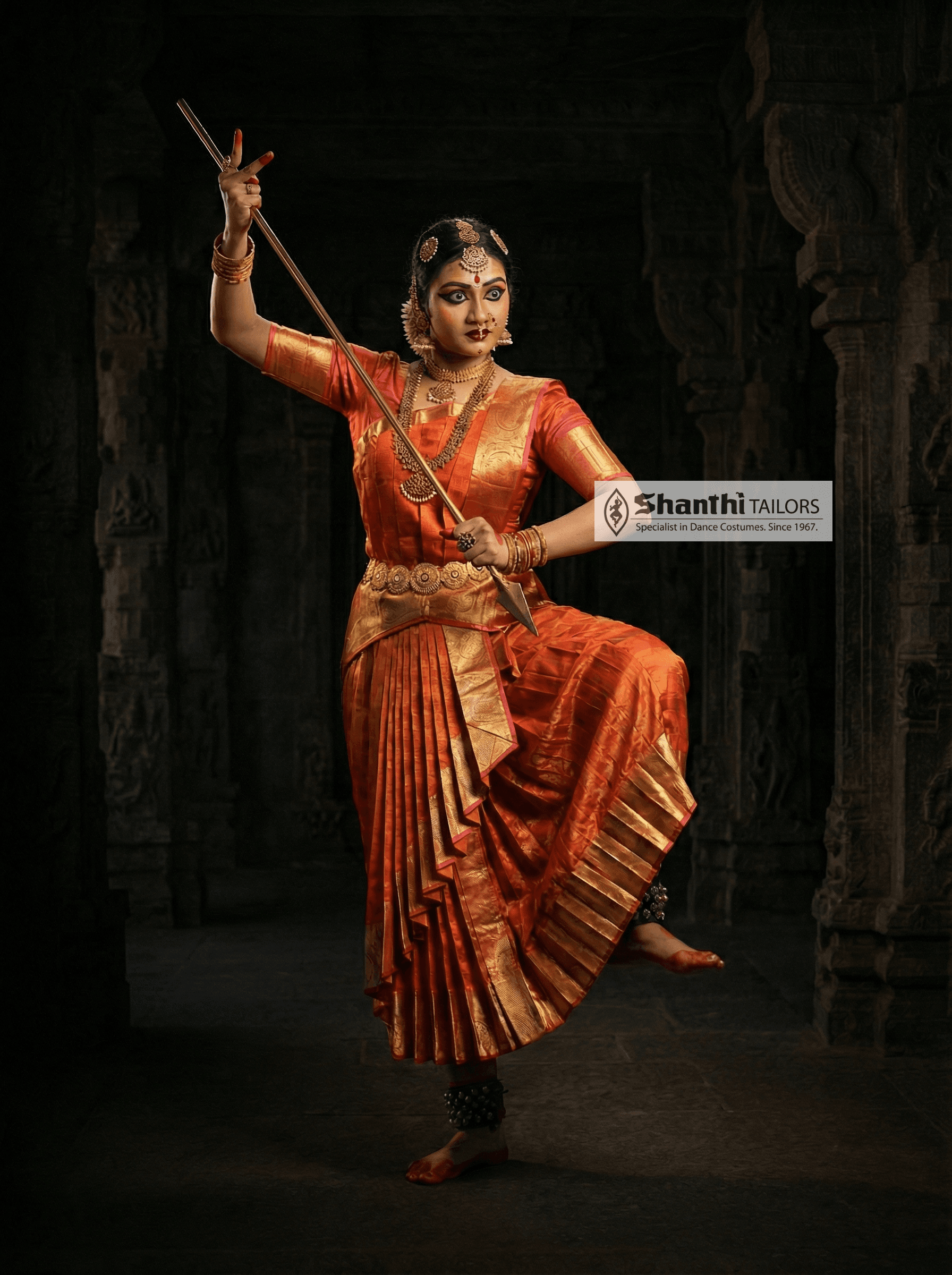
Skirt Style Cross Fan | Bharatanatyam Costume | shanthitailors
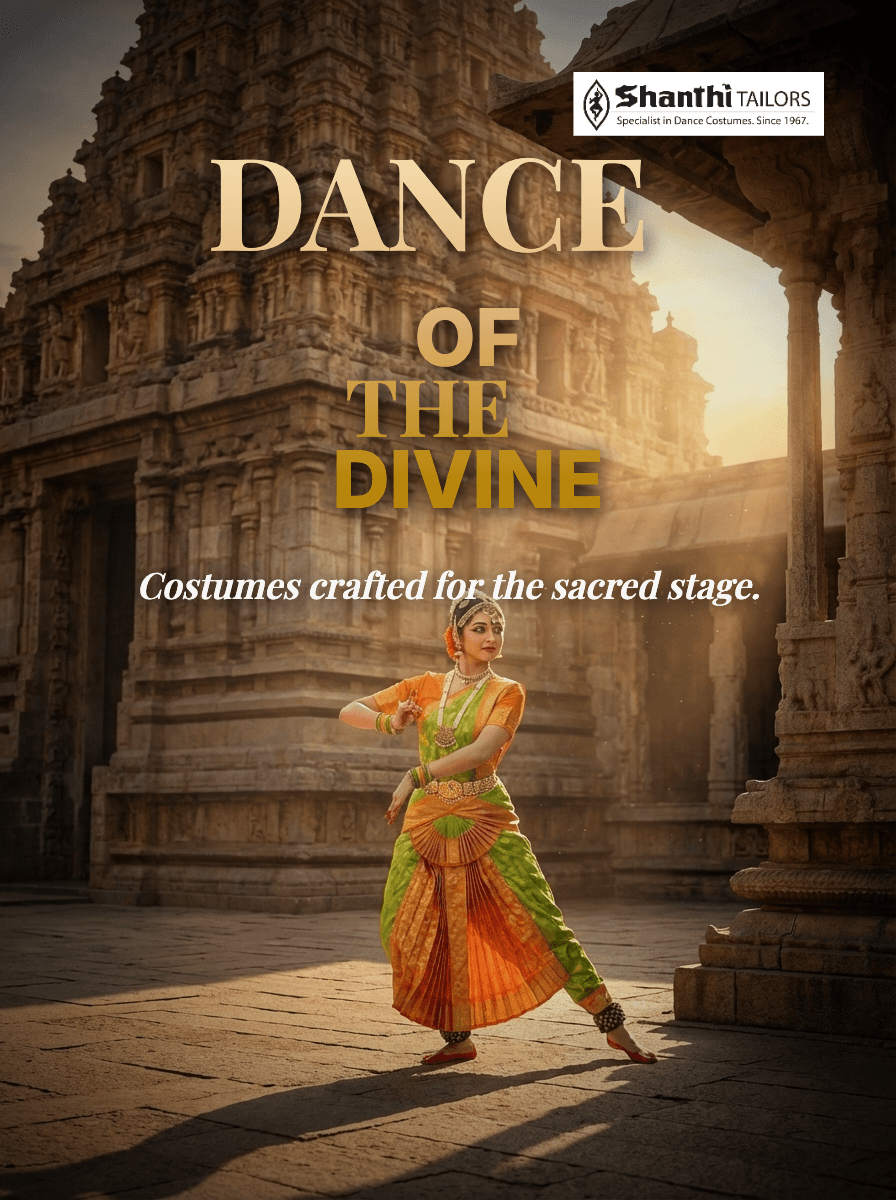
Sun Fleets (Thalipil) Bharatanatyam Costume | Long Fan Style | Custom Tailored Silk (Est. 1967)
Shanthi Tailors Editorial
Shanthi Tailors has crafted classical dance costumes and temple jewellery in Chennai since 1967, dressing dancers for arangetrams and stages worldwide.