
Music
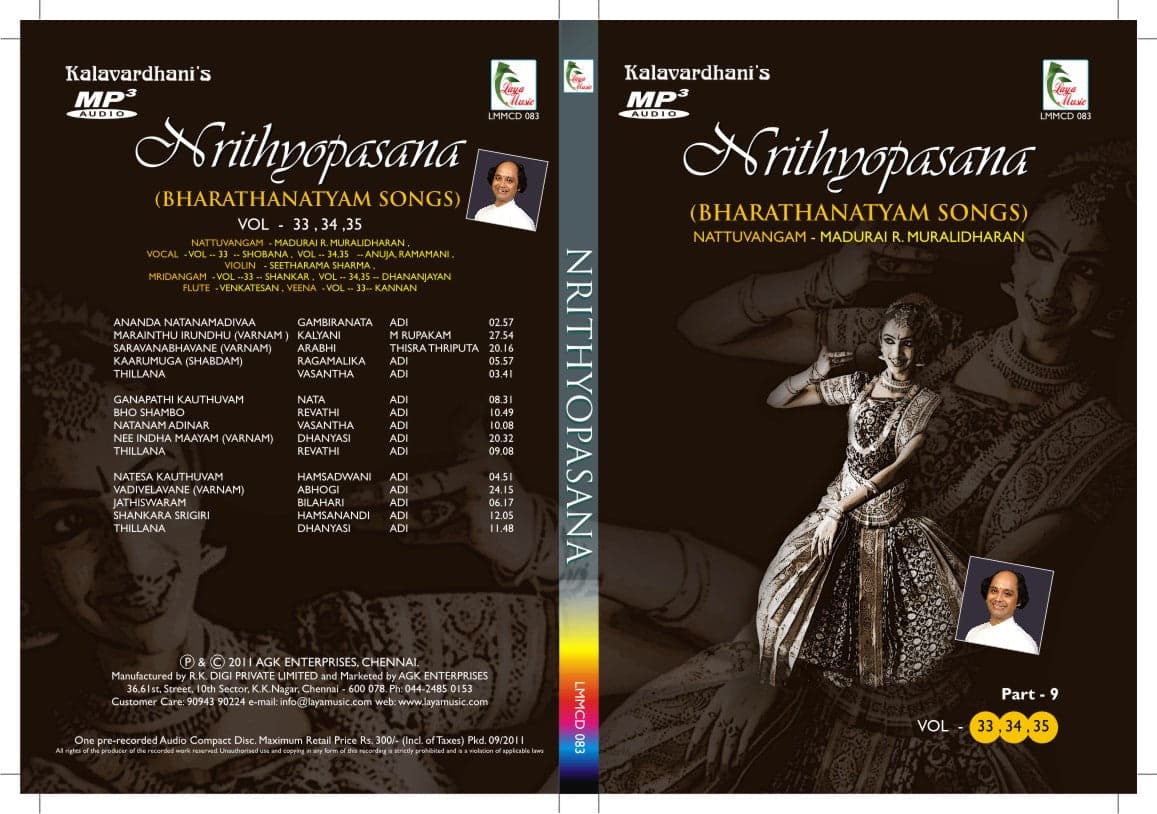
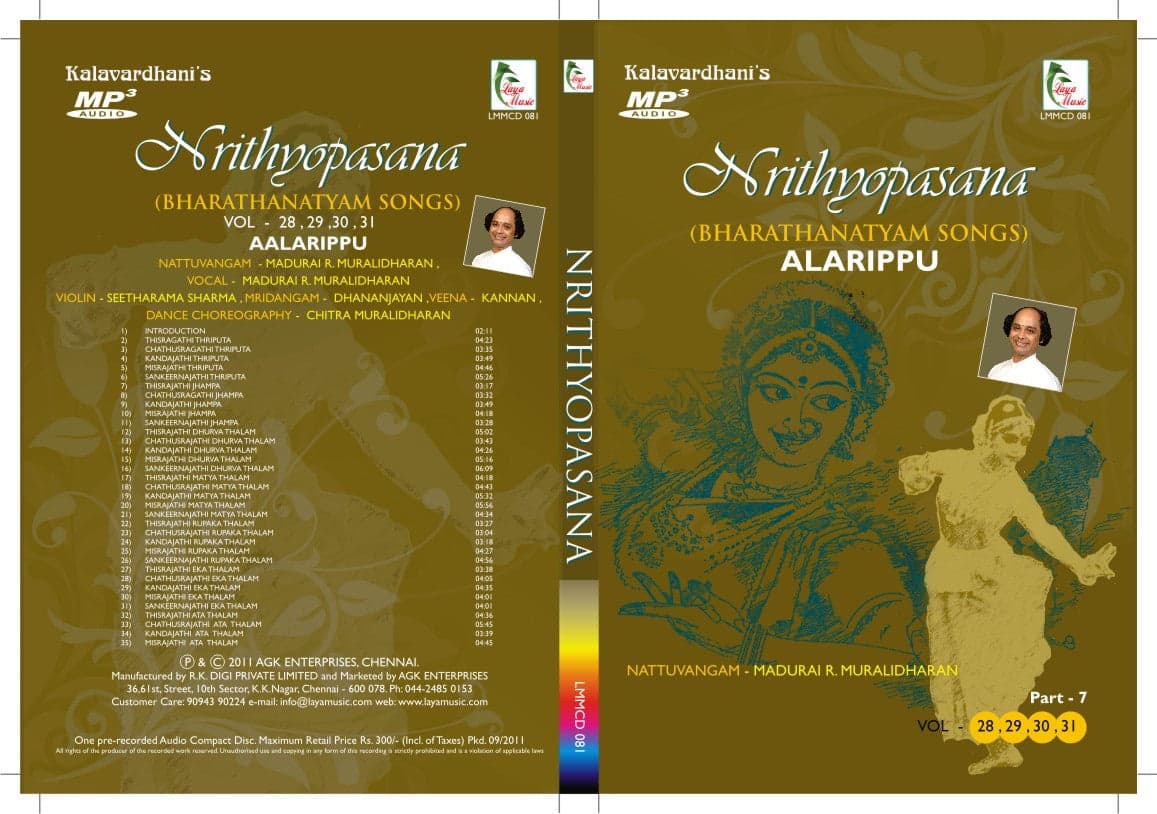
NRITHYOPASANA (VOL - 1,2,3,4) | CD - Music
₹300
(Inclusive of all taxes · billed in ₹ INR)
⏱ Instant live video calls run during office hours — 9:30 am – 8:00 pm IST. Outside these hours, request a video consultation and we’ll schedule one.
Questions about sizing or availability? Call +91 95003 82468 — we've been taking orders personally since 1967.
Why Dancers Love This
- ✦Authentic Classical Dance Learning Material
- ✦Curated by Practitioners of the Art Form
- ✦Perfect for Students & Teachers Alike
NRITHYOPASANA (VOL - 1,2,3,4)
Item Details
| Format | Physical Copy / Digital |
| Language | English / Tamil |
| Genre | Educational / Classical Arts |
Frequently Asked Questions
Q: What dance forms are these CDs suitable for, and are they appropriate for Arangetram?
A: The NRITHYOPASANA series is crafted primarily for Bharatanatyam. While adaptable, its compositions are deeply rooted in the Bharatanatyam tradition. Whether it is appropriate for an Arangetram depends on the specific repertoire chosen and the guru's preference, but the series contains items suitable for advanced practice and performance.
Q: Are the compositions in NRITHYOPASANA suitable for learning specific adavus and how does the music aid in mastering Aramandi?
A: Yes, the rhythmic structures within NRITHYOPASANA provide a solid foundation for practicing and perfecting adavus. The clear tala markings and varied tempos assist in developing precision and control, especially crucial for achieving a strong and stable Aramandi.
Q: What is the instrumentation used in NRITHYOPASANA, and how does it complement the dance?
A: The instrumentation typically includes instruments like the mridangam, violin, flute, and tambura. Vocal support is also present. This combination provides a rich sonic landscape that supports the dancer's movements, enhancing the overall aesthetic experience, and aligning with traditional Bharatanatyam accompaniment.
Q: Does the NRITHYOPASANA series include vocal renditions alongside instrumental pieces, and are there lyrics provided for the vocal pieces to understand the meaning and context of the songs?
A: Yes, the series includes both instrumental and vocal renditions. While lyrics are not typically included directly with the CD, the compositions are often based on well-known ragas and talas, allowing dancers to research the lyrical meaning (sahityam) independently for a deeper understanding and enhanced abhinaya.
Our Story
Crafted For Generations
Since 1967, Shanthi Tailors has been trusted by dancers across 120+ countries for authentic temple jewellery, custom-stitched costumes and Indian classical dance essentials.
Trusted by
Generations
Authentic
Temple Designs
120+ Countries
Delivered
Custom
Assistance
Customer Reviews
No reviews yet — be the first to share yours.
You May Also Love
✦Handpicked pieces that pair beautifully with this one ♥
Authentic
Temple Jewellery & Costumes
Secure Packaging
International Standards
Worldwide Shipping
120+ Countries
Safe & Secure
Direct Ordering